

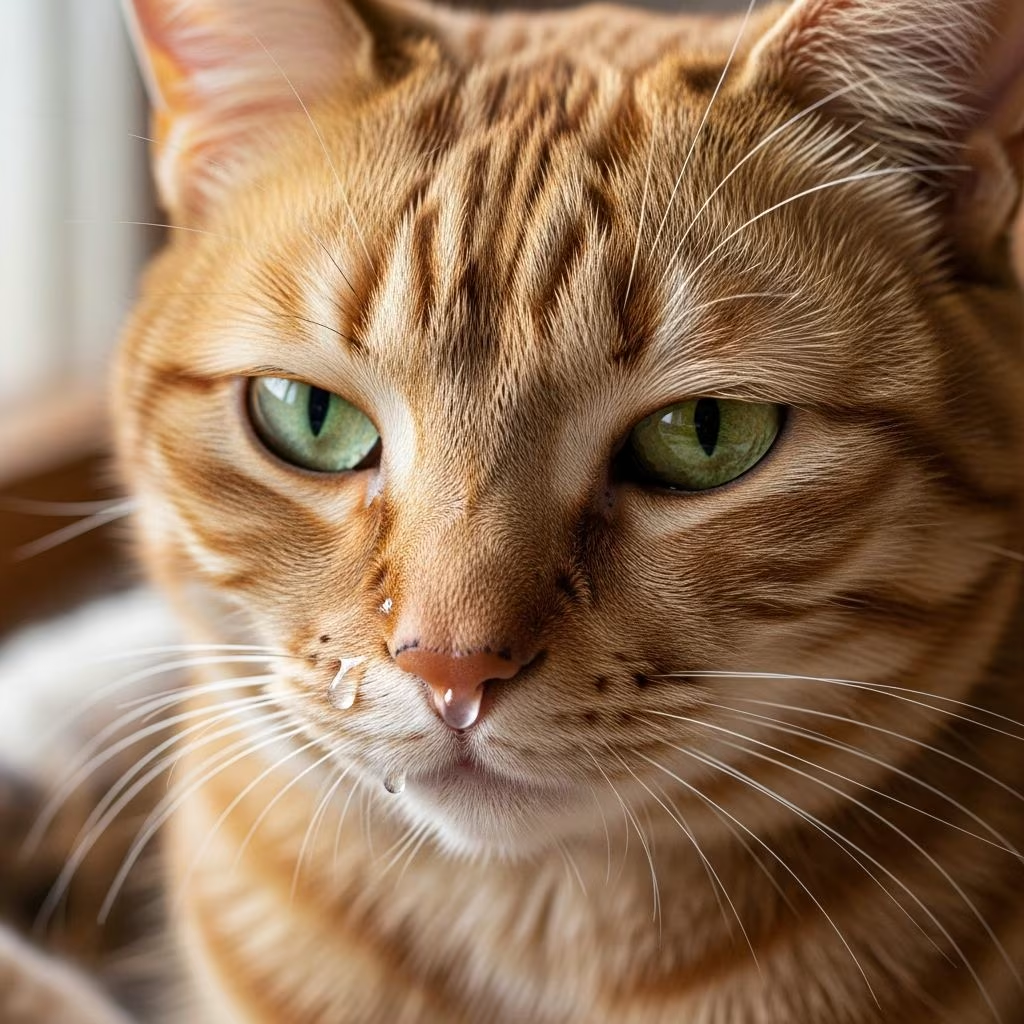
A runny nose in cats, known medically as nasal discharge or rhinitis, signals irritation or inflammation in the nasal passages. This common issue ranges from mild, self-resolving conditions to serious health threats requiring immediate veterinary attention. Understanding the underlying triggers helps cat owners respond effectively, preventing complications and ensuring their pet’s comfort.
Recognizing Nasal Discharge in Cats
Observe the discharge’s appearance for clues: clear and watery suggests allergies or early irritation; thick yellow or green indicates bacterial involvement; bloody discharge points to trauma, tumors, or clotting issues. Accompanying signs like sneezing, eye watering, coughing, face pawing, lethargy, fever, appetite loss, or breathing difficulties amplify concern levels.
- Clear discharge: Often allergies, viral onset, or irritants.
- Yellow/green mucus: Bacterial secondary infections or pneumonia.
- Bloody or rusty: Foreign objects, hypertension, cancer, or toxins.
Monitor duration; brief episodes may resolve, but persistence beyond 24-48 hours warrants professional evaluation, especially in multi-cat homes where contagion risks spread rapidly.
Primary Culprits Behind Feline Nasal Discharge
Viral Upper Respiratory Infections
Feline herpesvirus-1 (FHV-1) and calicivirus dominate as causes of upper respiratory disease complex (URD), mimicking human colds. These highly contagious pathogens thrive in shelters, catteries, or dense households, striking kittens and immunocompromised adults hardest. Symptoms include profuse discharge, mouth ulcers, conjunctivitis, and fever, often lingering chronically due to viral latency.
Vaccines mitigate severity, but stress reactivates dormant viruses. Bacterial opportunists like Mycoplasma or Chlamydia felis complicate recovery, turning clear runny noses opaque.
Bacterial and Fungal Invaders
Primary bacterial rhinitis from Bordetella, Chlamydia, or Mycoplasma causes purulent discharge and sinus involvement. Fungal foes like Cryptococcus, Aspergillus, or Aspergillus less common in temperate climates but devastate via spore inhalation, eroding nasal tissues and invading the brain. Immunosuppressed cats (FeLV/FIV positive) face elevated risks, with Cryptococcus yielding gelatinous nasal plugs.
Non-Infectious Triggers of Runny Noses
Allergies and Environmental Irritants
Allergic rhinitis erupts from pollen, dust mites, molds, or household chemicals, provoking clear discharge, sneezing, and itchy eyes. Less documented in cats than dogs, these reactions demand allergen identification via elimination trials. Inhaled smoke, perfumes, cleaners, or litter dust provoke similar acute responses, resolving with exposure removal.
Foreign Bodies and Physical Blockages
Curious sniffers inhale grass awns, seeds, or insects, lodging irritants unilaterally and sparking bloody, one-sided discharge with violent sneezing. Nasal mites (Pneumonyssoides caninum), rare outside certain regions, burrow painfully. Polyps—benign, fleshy growths in young cats—obstruct passages, often requiring surgical excision.
Serious Structural and Systemic Issues
Dental and Oral Connections
Upper tooth root abscesses or oronasal fistulas (mouth-nose perforations from periodontitis) leak pus into nasal cavities, causing foul, chronic discharge. Proximity of canine/premolar roots to sinuses explains this surprising link; dental exams under anesthesia detect hidden pathology.
Tumors, Polyps, and Congenital Defects
Intranasal neoplasia (lymphoma, carcinomas) strikes older cats, yielding progressive, bloody discharge unresponsive to antibiotics. Polyps mimic infections in juveniles. Rare congenital woes like cleft palates, ciliary dyskinesia (impaired mucus clearance), or nasopharyngeal stenosis narrow airways from birth.
| Discharge Color/Consistency | Common Causes | Urgency Level |
|---|---|---|
| Clear/Watery | Allergies, viruses, irritants | Low-Medium |
| Yellow/Green Thick | Bacteria, pneumonia | Medium-High |
| Bloody/Rusty | Trauma, tumors, foreign bodies | High |
| One-Sided Persistent | Polyps, neoplasia, objects | High |
When Nasal Discharge Demands Urgent Vet Care
Rush to the vet if discharge persists >3 days, worsens, or pairs with labored breathing, blue gums, extreme lethargy, dehydration, or blood. Kittens, seniors, or chronic illness cats merit prompt checks. Diagnostics span physical exams, bloodwork, imaging (radiographs/CT for masses), rhinoscopy (scope visualization), cultures, biopsies, or viral PCR.
- Separate affected cats to curb spread.
- Quarantine new/multiple cats.
Diagnosis: Unraveling the Mystery
Vets classify acute (<10 days) versus chronic cases. Acute URD often responds to supportive care; chronic demands deeper probes. Tools include:
- Imaging: X-rays/CT reveal polyps, tumors, fluid.
- Endoscopy: Direct visualization/flushing foreign material.
- Cytology/Culture: Discharge smears identify pathogens.
- Biopsy: Tissue sampling rules out cancer.
FeLV/FIV tests screen immunosuppression.
Treatment Strategies for Relief
Supportive Home Care
Humidify air (steamy bathroom, nebulizers) loosens mucus; saline drops clean nares. Encourage eating via warming food (enhances aroma), syringe-feeding if needed. Isolate patients; disinfect thoroughly.
Medical Interventions
Viral URD: Antibiotics target secondaries; antivirals (famciclovir for FHV) or interferons for severe cases. Bacterial: Targeted antibiotics (doxycycline for Chlamydia). Fungal: Fluconazole or itraconazole courses. Allergies: Antihistamines or steroids short-term.
Surgical Solutions
Polyp removal via ablation/traction; tumor debulking; rhinotomy for intractable foreign bodies. Dental extractions seal fistulas.
Preventing Recurrence and Promoting Health
Core vaccines shield against FHV/calicivirus; boosters matter. Minimize stress (pheromone diffusers, stable routines). Annual checkups catch dental/hypertension issues early. HEPA filters, dust-free litter, no smoking indoors reduce irritants. Multi-cat hygiene: Separate litter boxes, grooming tools.
Frequently Asked Questions (FAQs)
Can a runny nose resolve without vet help?
Mild viral cases often self-limit in 7-10 days with supportive care, but monitor closely.
Is cat nasal discharge contagious?
Yes, especially viral URD; isolate immediately.
How does dental disease cause runny noses?
Infected roots erode into nasal sinuses, leaking pus.
What home remedies soothe cat rhinitis?
Steam, saline rinses, hydration; avoid OTC meds.
Does age affect runny nose risks?
Kittens/polyps young; tumors/seniors older cats.
References
- Runny nose in cats | Health A-Z — Joii Pet Care. 2023. https://www.joiipetcare.com/blogs/health-symptoms/runny-nose-in-cats
- Runny Nose in Cats — PetMD. 2024-01-15. https://www.petmd.com/cat/symptom/runny-nose-cats
- Understanding Your Cat’s Sneezing and Runny Nose — Savannah Veterinary Specialists. 2023-05-20. https://savannahveterinary.com/pet-internal-medicine/understanding-your-cats-sneezing-and-runny-nose/
- Nasal Discharge in Cats: Why Does My Cat Have a Runny Nose? — Bond Vet. 2024. https://bondvet.com/blog/nasal-discharg-in-cats
- Cat Runny Nose: Causes, Symptoms & Treatments — Rover.com. 2023-11-10. https://www.rover.com/blog/cat-runny-nose/
- Feline Upper Respiratory Disease — Killarney Cat Hospital. 2022-01-15. https://www.killarneycat.com/resources/blog/january-2022/feline-upper-respiratory-disease



