

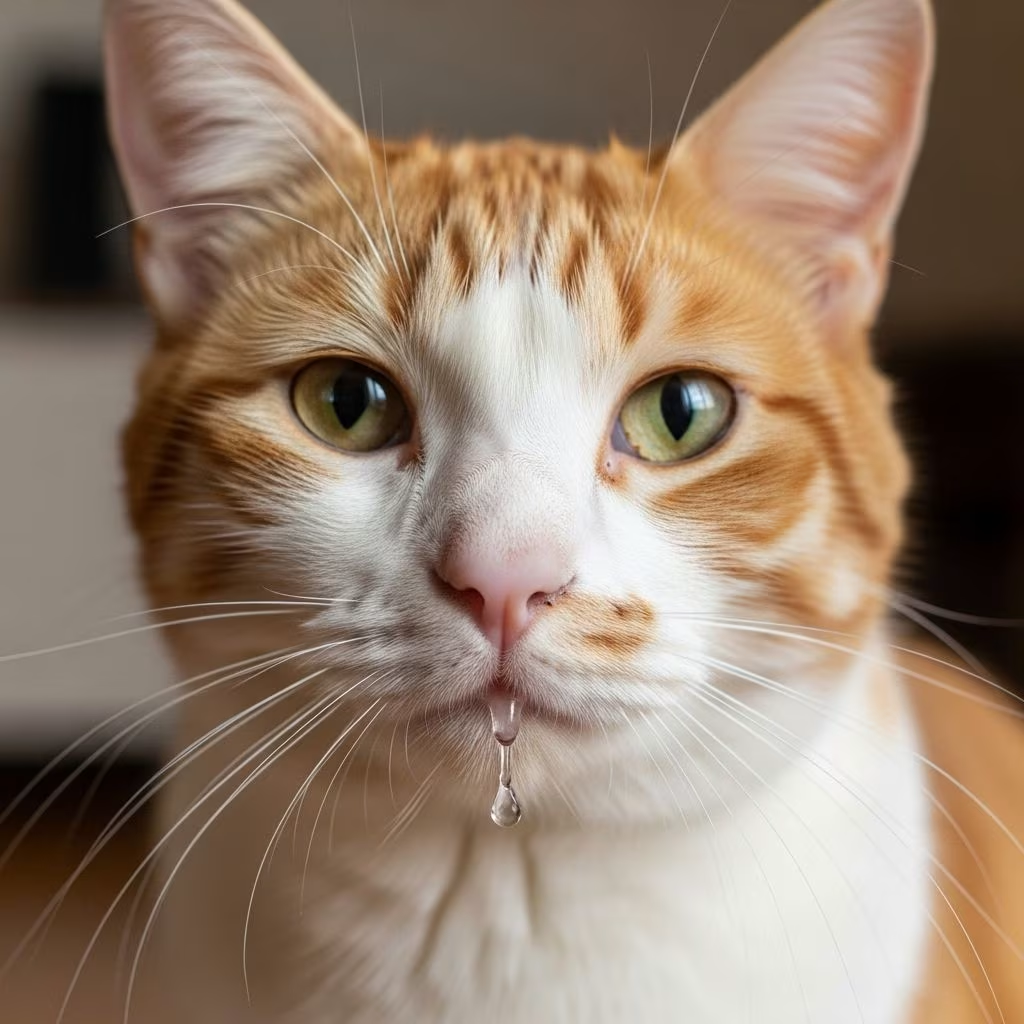
Cat Runny Nose: Causes, Treatment & Care
A runny nose in cats is a common symptom that can indicate various health conditions ranging from minor infections to more serious underlying issues. While occasional nasal discharge is normal, persistent or excessive runny noses warrant veterinary attention. Understanding the potential causes and available treatments can help you provide appropriate care for your feline companion.
Common Causes of Runny Nose in Cats
Several different conditions can lead to nasal discharge in cats. Identifying the underlying cause is essential for determining the appropriate treatment approach.
Viral and Bacterial Infections
Upper respiratory infections are among the most common causes of runny noses in cats. These infections are typically caused by viral pathogens, with feline herpesvirus and calicivirus being the primary culprits. Kittens and cats with compromised immune systems—such as those infected with feline immunodeficiency virus (FIV) or feline leukemia virus (FeLV)—are particularly susceptible to these infections. Cats with respiratory infections often experience additional symptoms including fever, sneezing, mouth sores, and eye inflammation alongside nasal discharge.
Bacterial infections also contribute significantly to runny noses in cats. Chlamydophila felis and Bordetella bronchiseptica are common bacterial culprits. Chlamydia infections are particularly contagious and affect both the respiratory tract and eyes, typically presenting with conjunctivitis, purulent nasal discharge, and severe fatigue. Cats can transmit chlamydia to other cats and potentially to humans, making early diagnosis and treatment important for multi-cat households.
Allergic Rhinitis
Allergic rhinitis represents inflammation within the nasal cavity triggered by allergen exposure. Common allergens affecting cats include pollen, grass, household products, essential oils, and dust particles. Unlike infectious causes, allergic rhinitis typically produces clear nasal discharge and is often accompanied by sneezing and itchy, watery eyes. Environmental allergens are particularly common triggers in cats with allergic rhinitis.
Foreign Objects
Cats may accidentally inhale or have foreign objects lodge in their nasal passages, such as grass blades, insects, or other debris. These foreign bodies cause inflammation and subsequent nasal discharge. Symptoms may include unilateral (one-sided) nasal discharge and frequent sneezing, typically on the side where the object is lodged.
Dental Disease
Dental problems can contribute to nasal discharge in cats. The proximity of dental roots to the nasal passages means that severe dental disease can sometimes lead to secondary nasal inflammation and discharge. Addressing underlying dental issues may help resolve associated respiratory symptoms.
Nasal Masses and Polyps
Nasal polyps are small, benign masses that develop within nasal passages and are most common in kittens but can occur in cats of any age. These growths typically cause nasal discharge on the affected side and frequent sneezing. In rare cases, cats may develop more serious conditions such as nasopharyngeal lymphoma or other cancerous growths, which often present with blood-tinged nasal discharge from a single nostril. Any bloody nasal discharge should be evaluated by a veterinarian promptly.
Other Causes
Additional factors can contribute to runny noses in cats. Trauma or injury to the nose from blows can cause bloody discharge that may become infected and turn greenish-yellow. Blood clotting disorders, caused by toxins like rat poison or inherited conditions, can result in bloody nasal discharge. Toxic irritants and environmental pollutants, including cigarette smoke and strong chemical fumes, can irritate nasal passages and trigger discharge. Aspiration pneumonia, which occurs when cats accidentally inhale stomach contents, can cause yellow or green nasal discharge along with harsh coughing and noisy breathing.
Symptoms to Watch For
While a runny nose is the primary symptom, cats with nasal discharge often exhibit additional clinical signs depending on the underlying cause:
- Clear, cloudy, or purulent (pus-containing) nasal discharge
- Nasal crusting and buildup around nostrils
- Sneezing and nasal congestion
- Eye discharge or conjunctivitis
- Breathing difficulties or mouth breathing
- Fever and lethargy
- Loss of appetite due to throat pain
- Watery or bloody nasal discharge
- Open-mouth breathing or labored respiration
When to See a Veterinarian
While some cases of mild nasal discharge may resolve independently, persistent symptoms warrant professional evaluation. Contact your veterinarian if your cat experiences:
- Runny nose lasting more than several days
- Bloody or greenish-yellow nasal discharge
- Difficulty breathing or severe congestion
- Loss of appetite or lethargy
- Fever or signs of systemic illness
- Discharge from only one nostril (suggesting possible foreign body or mass)
- Eye involvement or vision problems
Home Care and Management
While most cases of runny noses require professional diagnosis and treatment, several home care strategies can help alleviate your cat’s discomfort and support recovery.
Environmental Modifications
Creating a comfortable environment supports your cat’s natural healing process. Use a humidifier or take your cat into a steamy room to help loosen nasal secretions and ease breathing discomfort. Steam inhalation can provide temporary relief similar to what we use for human colds. Additionally, avoid triggering irritants such as strong perfume scents, cleaning products, and cigarette smoke, which can exacerbate nasal inflammation.
Nasal and Ocular Care
Gently clean any nasal and eye discharge using saline solution or clean water to prevent crusting and buildup that can interfere with breathing. Use a soft cloth and clean your hands before and after each cleaning session to prevent spreading infection, particularly if your cat has a contagious condition like coryza. This simple hygiene measure can significantly improve your cat’s comfort.
Hydration and Nutrition
Ensure your cat has easy access to fresh water throughout the day. Dehydration can worsen nasal congestion and systemic symptoms. Offer soft food to help maintain adequate nutrition, particularly if your cat experiences throat pain that makes swallowing difficult. Quality protein-rich diets support immune function, with taurine and amino acids playing crucial roles in maintaining proper immunity and fighting infection. Commercial soft diet options such as Hills Prescription Diet provide palatable, easy-to-consume nutrition during recovery.
General Comfort Measures
Provide your cat with a quiet, comfortable space where they can rest undisturbed. Monitor their appetite and water intake, and maintain regular observation for any changes in condition. Ensure proper ventilation in your home to promote easier breathing.
Veterinary Treatment Options
Professional veterinary treatment depends entirely on the diagnosis. Your veterinarian may recommend several evidence-based therapeutic approaches.
Medications
Antibiotics are prescribed when bacterial infections are confirmed or suspected, helping to eliminate causative organisms and prevent secondary infections. Anti-inflammatory medications or antihistamines reduce nasal inflammation and discharge associated with infections or allergies. Mucolytic medications help thin and reduce mucus in the respiratory tract, improving breathing and drainage. In some cases, nebulizer therapy delivers medication directly to the airways through vapor inhalation, providing targeted treatment. Antifungal medications are prescribed when fungal infections like cryptococcosis are identified.
Procedural Interventions
Nasal flushing may be indicated for cats with chronic rhinitis and can help dislodge blockages and debris. This procedure requires veterinary expertise and sedation for your cat’s safety and comfort. Surgical intervention (rhinotomy) may be warranted for cats with cancerous growths, anatomical abnormalities, or other structural issues within the nasal passages. Foreign body removal and dental work are performed when these specific causes are identified.
Long-term Management
For idiopathic rhinitis (inflammation of unknown cause), corticosteroids may provide symptom relief. The AeroKat inhaler spacer has shown promise for long-term management of chronic nasal inflammation in cats. Some cats require extended treatment periods while your veterinarian works to identify the optimal therapeutic approach.
Prevention Strategies
Vaccination is the most effective prevention strategy for viral and bacterial respiratory infections. Standard kitten vaccines include protection against feline herpesvirus and calicivirus, with dramatically reduced infection risk in properly vaccinated cats. Ensure your cat receives appropriate vaccines and booster shots according to your veterinarian’s recommendations. Additionally, maintain good household hygiene, provide quality nutrition, minimize stress, and keep your cat’s environment free from irritants to support overall respiratory health.
When Runny Nose Becomes Serious
While many cases of feline nasal discharge resolve with appropriate treatment, certain situations require urgent attention. Bloody nasal discharge may indicate blood clotting problems, cancer, foreign bodies, or serious inflammatory disorders. Severe respiratory distress with open-mouth breathing or difficulty breathing requires immediate veterinary evaluation. Unilateral discharge from a single nostril may suggest a foreign body, tumor, or localized infection requiring investigation. Persistent symptoms despite treatment warrant further diagnostic testing to identify underlying causes.
Frequently Asked Questions
Q: Can cats catch colds like humans?
A: While cats cannot catch human colds, they experience upper respiratory infections caused by feline-specific viruses like herpesvirus and calicivirus. These viral infections produce cold-like symptoms including runny noses, sneezing, and congestion. Treatment and home care are similar to managing human colds.
Q: Is a runny nose always serious in cats?
A: Not all runny noses are serious, but persistent nasal discharge lasting more than a few days warrants veterinary evaluation. Some cases resolve independently, while others require professional treatment. Any bloody discharge, breathing difficulties, or systemic signs of illness require prompt veterinary attention.
Q: How long does it take for a cat’s runny nose to resolve?
A: Recovery time depends on the underlying cause. Mild viral infections may improve within 7-10 days with supportive care, while bacterial infections typically require 1-2 weeks of antibiotic therapy. Chronic conditions may require extended management. Your veterinarian can provide specific timelines based on your cat’s diagnosis.
Q: Can I use saline drops to help my cat’s runny nose?
A: Saline solution can be used to gently clean nasal discharge and crusting around your cat’s nose. However, avoid instilling saline directly into nasal passages without veterinary guidance, as cats may resist this procedure. Consult your veterinarian about appropriate cleaning methods for your cat.
Q: Are certain cat breeds more prone to runny noses?
A: While any cat can develop nasal discharge, kittens and cats with compromised immune systems are more susceptible to respiratory infections. Persians and other breeds with shortened muzzles may experience more nasal congestion, but runny noses occur across all breeds.
Q: Is a cat’s runny nose contagious to other cats?
A: Yes, many causes of cat runny noses are contagious between cats, particularly viral and bacterial respiratory infections. Chlamydia infections are especially contagious. Keep infected cats separated from others and practice good hygiene, including handwashing after handling your cat.
Q: What can I do if my cat refuses to eat due to a runny nose?
A: Offer soft, highly palatable foods that are easier to eat when your cat has nasal congestion or throat pain. Warm food slightly to enhance aroma and appeal. Ensure adequate hydration by providing fresh water and monitoring intake. Contact your veterinarian if appetite loss persists or worsens.
References
- Runny Nose in Cats — PetMD. Accessed January 14, 2026. https://www.petmd.com/cat/symptom/runny-nose-cats
- Why Your Cat’s Nose Is Running (& How to Help) — Hill’s Pet Nutrition. Accessed January 14, 2026. https://www.hillspet.com/cat-care/healthcare/why-cats-nose-is-running
- Feline Rhinitis: Causes, Symptoms, And Treatments — Trudell Animal Health. Accessed January 14, 2026. https://trudellanimalhealth.com/blogs/blog/feline-rhinitis-causes-symptoms-and-treatments
- Chronic Upper Respiratory Tract Disease — VCA Animal Hospitals. Accessed January 14, 2026. https://vcahospitals.com/know-your-pet/chronic-upper-respiratory-tract-disease
- Runny Nose in Cats – Joii Pet Care — Joii Pet Care. Accessed January 14, 2026. https://www.joiipetcare.com/blogs/health-symptoms/runny-nose-in-cats



