

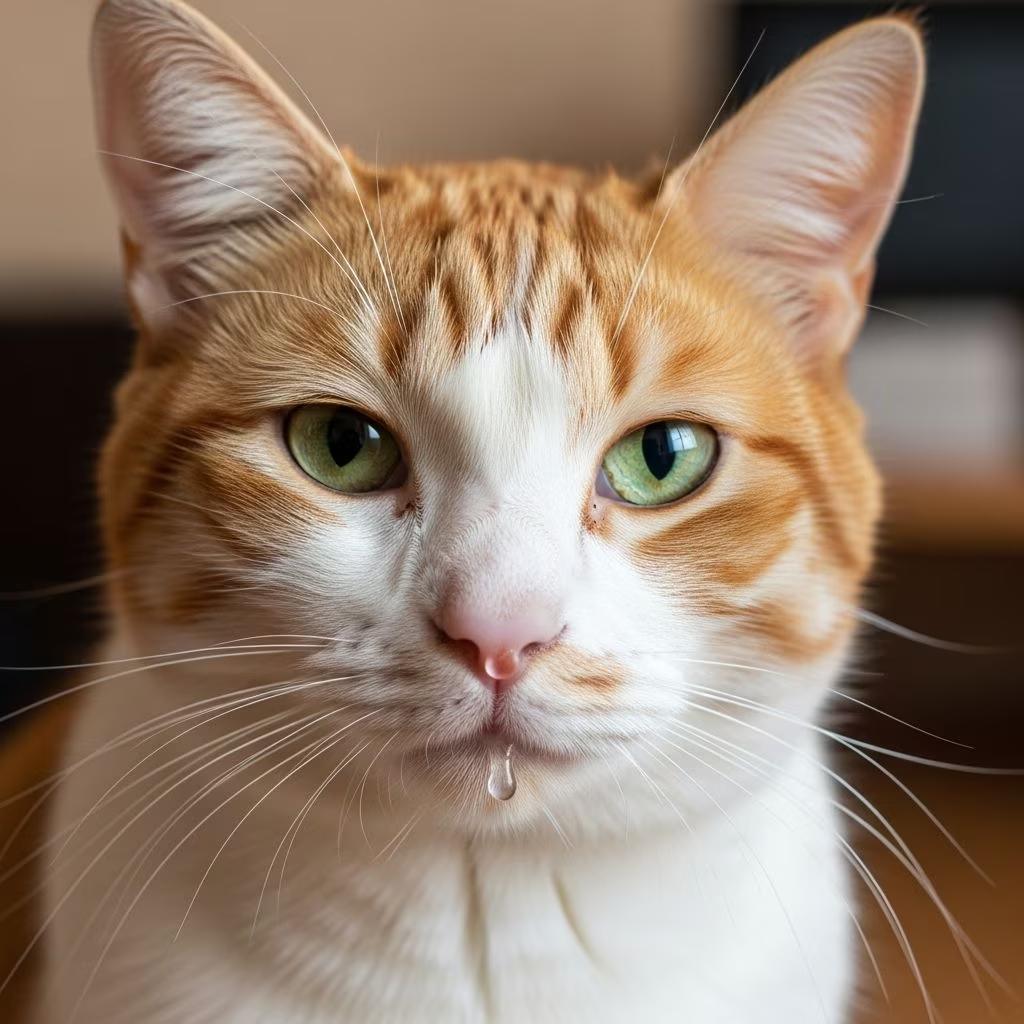
A runny nose in cats, also known as nasal discharge or rhinitis, is a common symptom that can range from mild irritation to a sign of serious illness. While occasional clear discharge might result from dust or excitement, persistent or colored discharge often signals underlying issues like infections or allergies. Understanding the causes helps cat owners respond promptly, preventing complications such as chronic respiratory problems or dehydration.
What Causes a Runny Nose in Cats?
Several factors can lead to a cat’s runny nose. The most frequent culprits are upper respiratory infections, but allergies, foreign objects, and other conditions also play roles. Identifying the cause through symptoms and veterinary diagnosis is crucial for effective treatment.
Upper Respiratory Infections (URIs)
URIs, often called “cat flu,” are the leading cause of runny noses in cats. These are primarily viral, caused by feline herpesvirus (FHV-1) and feline calicivirus (FCV). Bacterial secondary infections, like those from Chlamydophila felis or Bordetella bronchiseptica, can worsen symptoms. Kittens, shelter cats, and those with weakened immunity (e.g., FIV or FeLV) are most vulnerable. Symptoms include sneezing, watery eyes, fever, lethargy, and nasal discharge that starts clear but turns thick, yellow, or green.
Allergies and Irritants
Allergic rhinitis occurs when cats react to pollen, dust, household cleaners, smoke, or perfumes. Discharge is typically clear, accompanied by sneezing and red, itchy eyes. Unlike infections, allergies lack fever or lethargy.
Foreign Objects and Trauma
Grass seeds, insects, or small debris lodged in nasal passages cause unilateral (one-sided) discharge, sneezing, and pawing at the face. Trauma from fights or falls can lead to bloody or clear discharge that may infect.
Dental Disease and Polyps
Tooth root abscesses or oral infections drain into the nasal cavity, producing foul-smelling pus. Nasal polyps, benign growths common in young cats, obstruct passages, causing chronic discharge and noisy breathing.
Other Serious Causes
- Fungal Infections: Rare, like cryptococcosis in humid areas, causing thick discharge.
- Tumors or Cancer: More common in older cats, leading to bloody or persistent discharge.
- Blood Clotting Disorders: From toxins (e.g., rat poison) or hypertension, resulting in nosebleeds.
- Aspiration Pneumonia: Inhaled vomit irritates lungs, producing green/yellow discharge and coughing.
Symptoms to Watch For
Beyond nasal discharge, monitor for:
- Sneezing and coughing
- Eye discharge or squinting
- Lethargy, fever, or loss of appetite
- Dehydration or open-mouth breathing
- One-sided vs. bilateral discharge (suggests foreign body vs. infection)
- Bloody, green, or foul-smelling mucus
Clear discharge is often benign, but any lasting over 24-48 hours warrants a vet visit, especially in kittens or seniors.
Is a Runny Nose in Cats Serious?
Not always, but it can be. Mild cases resolve with supportive care, but untreated URIs lead to chronic rhinitis, pneumonia, or corneal ulcers from FHV-1. Kittens risk severe dehydration; immunocompromised cats face life-threatening complications. Bloody discharge or breathing distress is an emergency.
| Symptom | Possible Cause | Urgency |
|---|---|---|
| Clear, bilateral discharge + sneezing | Allergies/URI | Monitor 1-2 days |
| Thick yellow/green discharge + fever | Bacterial infection | Vet same day |
| Bloody discharge | Trauma/tumor/clotting issue | Emergency |
| One-sided discharge + pawing | Foreign body/polyp | Vet promptly |
How to Treat Runny Nose in Cats at Home
Home care supports recovery but doesn’t replace vet treatment for infections. Always consult a vet first.
- Humidify: Use a humidifier or steam from a hot shower to loosen mucus.
- Clean Gently: Wipe nose/eyes with warm saline (1 tsp salt in 1 cup boiled water) or vet wipes. Avoid irritants like Q-tips.
- Hydrate: Ensure fresh water; offer low-sodium chicken broth.
- Soft Food: Feed warmed, palatable wet food like Hill’s a/d to tempt appetite.
- Rest: Isolate from other cats to prevent spread; keep warm and stress-free.
- Avoid Triggers: No smoke, scents, or litter dust.
Never use human meds like decongestants—they’re toxic to cats.
Vet Treatment for Runny Nose in Cats
Treatment targets the cause:
- Antibiotics: For bacterial infections (e.g., doxycycline for chlamydia).
- Antivirals/Antifungals: For FHV-1 or fungal issues.
- Anti-inflammatories/Antihistamines: For allergies or idiopathic rhinitis.
- Mucolytics/Nasal Flushes: To clear mucus; flushes require sedation.
- Surgery: Remove polyps, tumors, or foreign bodies via rhinotomy.
- Supportive: Fluids, nebulization, or oxygen for severe cases.
Chronic cases may need inhalers like AeroKat for long-term management.
Prevention of Runny Nose in Cats
Proactive steps reduce risk:
- Vaccinations: Core vaccines cover FCV, FHV-1, and chlamydia. Boosters essential.
- Hygiene: Clean litter daily; quarantine new cats.
- Nutrition: High-quality, taurine-rich diet boosts immunity.
- Indoor Living: Limits exposure to fights, toxins, and allergens.
- Regular Vet Checks: Early detection of dental or polyp issues.
When to See a Vet for Cat Runny Nose
Seek immediate care if:
- Symptoms persist >2 days or worsen
- Discharge is colored, bloody, or foul
- Cat refuses food/water, seems lethargic, or has breathing issues
- Kitten, senior, or multi-cat household
Diagnostics may include exams, swabs, X-rays, or bloodwork.
Frequently Asked Questions (FAQs)
Can a runny nose in cats go away on its own?
Yes, mild viral cases may resolve in 7-10 days with supportive care, but monitor closely and vaccinate to prevent.
Is cat runny nose contagious?
Viral/bacterial URIs are highly contagious via direct contact or shared items. Isolate affected cats.
How long does a cat runny nose last?
Acute URIs: 1-3 weeks. Chronic rhinitis can persist lifelong without management.
Why is my cat’s nose one-sided runny?
Often a foreign body, polyp, or dental issue affecting one side.
Can allergies cause green nasal discharge in cats?
No, green indicates bacterial infection, not allergies (which produce clear discharge).
References
- Runny nose in cats – Joii Pet Care — Joii Pet Care. 2023. https://www.joiipetcare.com/blogs/health-symptoms/runny-nose-in-cats
- My cat has a runny nose: why and what should I do? — Ziggy Family. 2023. https://ziggyfamily.com/en/blogs/cats/my-cat-has-a-runny-nose-why-and-what-should-i-do
- Why Your Cat’s Nose Is Running (& How to Help) — Hill’s Pet Nutrition. 2023. https://www.hillspet.com/cat-care/healthcare/why-cats-nose-is-running
- Feline Rhinitis: Causes, Symptoms, And Treatments — Trudell Animal Health. 2023. https://trudellanimalhealth.com/blogs/blog/feline-rhinitis-causes-symptoms-and-treatments
- Runny Nose in Cats — PetMD. 2023. https://www.petmd.com/cat/symptom/runny-nose-cats
- Chronic Upper Respiratory Tract Disease — VCA Animal Hospitals. 2023. https://vcahospitals.com/know-your-pet/chronic-upper-respiratory-tract-disease
- Cat Flu | Symptoms, Causes, and Treatment — Blue Cross. 2023. https://www.bluecross.org.uk/advice/cat/health-and-injuries/cat-flu



