

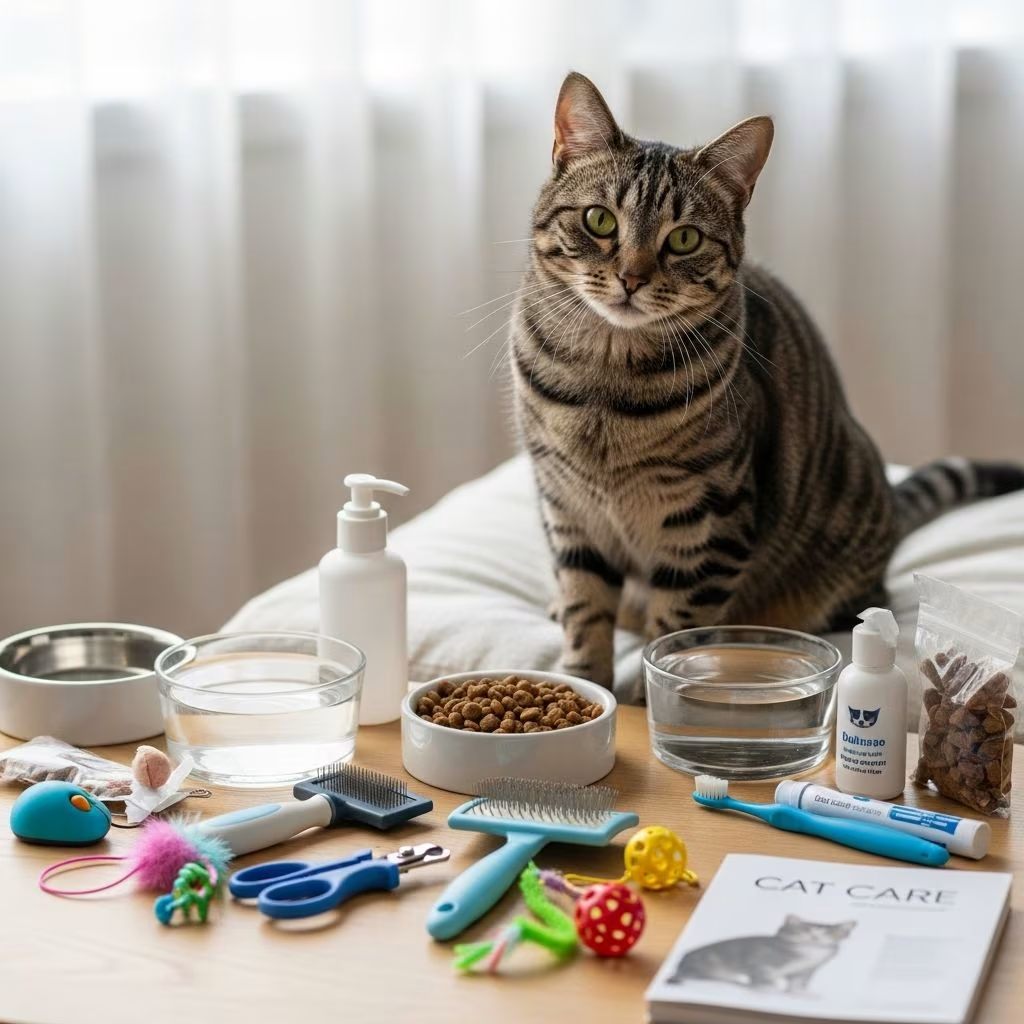
Cat Routine Care: Essential Guide to Feline Wellness
Keeping your cat healthy requires consistent, proactive care throughout their lifetime. From regular veterinary check-ups to preventative treatments, understanding the fundamentals of cat routine care helps you catch potential health issues early and ensure your feline companion enjoys a long, vibrant life. This comprehensive guide covers everything you need to know about maintaining optimal feline wellness.
Understanding Your Cat’s Life Stages
Cats progress through distinct life stages, each requiring specific care considerations. A suggested classification for aging cats includes ‘mature’ or ‘middle-aged’ cats at 7–10 years, ‘senior’ cats at 11–14 years, and ‘geriatric’ cats at 15+ years. Understanding where your cat falls in this spectrum helps you tailor their care appropriately and anticipate age-related health changes.
Vaccination Schedules: Protecting Your Cat’s Health
Vaccinations form the foundation of preventative cat care, protecting against serious and potentially fatal diseases. Establishing a proper vaccination schedule from kittenhood is crucial for long-term health protection.
Kitten Vaccination Timeline
Kittens require multiple vaccination visits during their first months of life to build immunity. Veterinarians typically recommend vaccination appointments every 3-4 weeks until kittens reach 16 weeks of age. This staggered approach allows the immune system to develop robust protection against multiple diseases.
Essential Vaccinations for Cats
- Feline Herpesvirus and Calicivirus: Prevents upper respiratory infections, common in unvaccinated cats
- Feline Panleukopenia (FPV): Protects against a highly contagious and often fatal viral disease
- Feline Leukaemia Virus (FeLV): Especially important for outdoor cats with exposure risk
- Rabies: Required in many areas and essential if your cat travels or has outdoor access
Adult and Senior Cat Vaccination Schedules
Vaccination requirements change as cats mature. Adult cats should receive annual check-ups and vaccinations to maintain immunity levels and screen for emerging health concerns. Senior cats aged 7 and older benefit from twice-yearly veterinary visits, as older cats are more susceptible to age-related health issues and conditions may develop more rapidly. These frequent visits allow veterinarians to monitor for subtle changes in health status.
Routine Veterinary Examinations
Regular vet check-ups are essential for early detection of health problems. During these visits, veterinarians perform a comprehensive assessment that goes beyond simple vaccination updates.
What a Complete Physical Examination Includes
A thorough veterinary examination begins with observation from a distance, assessing your cat’s respiration, gait, stance, and overall coordination. The examination then progresses to more detailed assessment, including evaluation of weight and body condition, skin and coat quality, oral cavity health, retinal function, and musculoskeletal integrity. Veterinarians also perform thyroid palpation, cardiac auscultation, and abdominal palpation to identify potential problems.
Information Your Vet Needs
To provide the most effective care, veterinarians require detailed information from pet owners. Open-ended questions about changes in your cat’s behavior patterns, physical activity levels, eating and drinking habits, stool quality, hearing, vision, diet, treats, supplements, and medications help veterinarians identify subtle health changes. Providing accurate and detailed information during vet visits significantly improves diagnostic accuracy.
Dental Health: A Critical Component of Cat Care
Oral hygiene is essential to your cat’s overall health. By age three, most cats already show signs of dental disease, and poor oral hygiene can lead to bad breath, gum infections, and even organ damage.
Daily Dental Care Practices
- Brush teeth regularly: Use cat-friendly toothpaste a few times per week for optimal results
- Provide dental treats: Specialized dental chews and toys help reduce plaque buildup naturally
- Schedule professional cleanings: Veterinary dental cleanings address tartar buildup that home care cannot remove
- Monitor oral health: Regular inspection allows early detection of problems
Signs of Dental Problems to Watch For
Detecting dental disease early prevents serious complications. Watch for these warning signs:
- Bad breath or unusual odors from the mouth
- Drooling or excessive salivation
- Difficulty eating or reluctance to chew
- Swollen or bleeding gums
- Visible tartar buildup on teeth
- Behavioral changes related to eating
Many cats respond well to teeth brushing when introduced gradually and patiently. Even older cats can learn to accept dental care with consistent, positive reinforcement and gentle handling techniques.
Parasite Prevention: Year-Round Protection
Parasites pose significant health risks to cats regardless of lifestyle. Even indoor cats can acquire parasites, making consistent prevention essential.
Flea and Tick Prevention
Implement year-round flea and tick prevention treatments to protect your cat from parasitic infestation. Prevention options include topical treatments, oral medications, and collar-based solutions. Regularly check for fleas and ticks, especially in outdoor cats, as visual inspection combined with preventative treatments provides comprehensive protection.
Deworming Protocol
Deworm kittens every two weeks until 12 weeks of age, then continue with a regular deworming schedule for adult cats every few months. Parasite prevention protects not only your cat but also prevents transmission to other pets and family members.
Recognizing Parasite Infestations
Several signs indicate your cat may have parasites:
- Excessive scratching or grooming
- Hair loss or scabs on the skin
- Visible parasites in fur or feces
- Changes in appetite or weight loss
- Lethargy or decreased activity levels
Contact your veterinarian immediately if you suspect parasite infestation, as parasites can cause serious health complications if left untreated.
Nutrition and Weight Management
Proper nutrition forms the foundation of feline health. Cats are obligate carnivores, requiring high-protein, meat-based diets to thrive. Feed your cat high-quality commercial cat food rich in animal protein and essential nutrients. Both wet and dry foods offer distinct benefits—wet food supports hydration while dry food can promote dental health.
Always provide clean, fresh water to prevent dehydration and reduce urinary health issues. Monitor your cat’s weight and body condition regularly, adjusting portions as needed to maintain optimal health throughout their lifetime.
Senior Cat Care: Extra Attention for Aging Felines
As cats age, they require modified care routines to maintain comfort and quality of life. Senior cats may experience mobility challenges, sensory changes, and age-related health conditions requiring proactive management.
Supporting Senior Cat Comfort
- Provide a soft, warm bed in an easily accessible location
- Feed a diet specifically formulated for senior cats with joint support and age-appropriate nutrition
- Schedule regular health check-ups to monitor age-related conditions
- Offer litter boxes with lower sides to accommodate reduced mobility
- Maintain consistent routines to reduce stress and anxiety
- Provide easy access to food, water, and litter facilities
Age-Related Health Monitoring
Senior cats benefit from twice-yearly veterinary visits to catch emerging health issues early. Watch for changes in appetite, water consumption, litter box habits, mobility, and behavior. Early detection of conditions like kidney disease, arthritis, and hyperthyroidism allows for prompt intervention and improved outcomes.
Recognizing Signs of Illness in Cats
Cats are skilled at hiding illness, making early detection challenging. Understanding common signs of health problems enables quick veterinary intervention.
Common Health Warning Signs
- Changes in appetite: Increased or decreased food intake may indicate underlying disease
- Increased thirst and urination: Potential signs of diabetes or kidney disease requiring immediate evaluation
- Behavioral changes: Lethargy, hiding, or altered social interaction may signal illness
- Vomiting or diarrhea: Gastrointestinal upset warrants veterinary assessment
- Respiratory changes: Coughing, wheezing, or breathing difficulties require urgent attention
- Coat changes: Matting, hair loss, or poor condition may indicate health problems
If you notice any of these signs, speak with your veterinarian as soon as possible. Early intervention often leads to better treatment outcomes and improved quality of life.
Creating a Cat Health Management Plan
Successful cat care requires organization and consistency. Create a personal health management plan including vaccination schedules, preventative treatment dates, dietary information, and emergency contact information. Track changes in your cat’s behavior, appetite, and activity levels to share with your veterinarian during check-ups.
Keeping detailed records helps you notice subtle changes that might otherwise go undetected. Many veterinary clinics offer digital records systems that help you track your cat’s medical history and receive appointment reminders.
Frequently Asked Questions About Cat Routine Care
Q: How often should I take my indoor cat to the veterinarian?
A: Adult indoor cats should visit the veterinarian annually for check-ups and vaccinations. Senior cats aged 7 and older should visit twice yearly to monitor for age-related health issues and catch problems early.
Q: Can I brush my cat’s teeth at home, or do they need professional dental cleaning?
A: Home teeth brushing with cat-friendly toothpaste is excellent for daily maintenance and can be done a few times per week. However, professional veterinary dental cleanings are necessary when tartar buildup becomes excessive, as they remove buildup below the gum line that home care cannot address.
Q: Do indoor cats need flea and tick prevention?
A: Yes, even indoor cats should receive year-round flea and tick prevention. These parasites can be brought inside on clothing, shoes, or other pets, making prevention important regardless of lifestyle.
Q: What vaccinations does my kitten absolutely need?
A: Core vaccinations for kittens include protection against Feline Herpesvirus, Calicivirus, and Feline Panleukopenia. Rabies vaccination is required in many areas. Additional vaccines like Feline Leukaemia may be recommended based on your cat’s lifestyle and exposure risk.
Q: How can I tell if my cat is sick since they hide illness well?
A: Watch for changes in appetite, water consumption, litter box habits, energy levels, and behavior. Vomiting, diarrhea, breathing changes, or coat condition changes warrant veterinary evaluation. Any deviation from your cat’s normal patterns deserves professional assessment.
Q: What special care do senior cats need?
A: Senior cats benefit from twice-yearly veterinary visits, specialized senior cat food, comfortable resting areas, easy access to litter boxes with lower sides, and consistent routines. Monitor for age-related conditions like arthritis, kidney disease, and hyperthyroidism.
Conclusion: Investing in Lifelong Feline Health
Comprehensive cat routine care doesn’t require complicated procedures—it requires consistency, attention, and partnership with your veterinarian. By maintaining regular veterinary visits, implementing preventative treatments, supporting dental health, and monitoring for signs of illness, you provide your feline companion with the foundation for a long, healthy, and happy life. Start building these healthy habits today and adjust your care approach as your cat ages, ensuring they receive appropriate support at every life stage.
References
- Evaluating aging in cats: How to determine what is healthy and what is disease — SAGE Journals. 2016. https://journals.sagepub.com/doi/10.1177/1098612X16649525
- The Complete Guide to Cat Healthcare: Keeping Your Feline Friend Happy and Healthy — Pet Food Passion. 2025. https://petfoodpassion.co.uk/2025/02/12/the-complete-guide-to-cat-healthcare-keeping-your-feline-friend-happy-healthy/



