

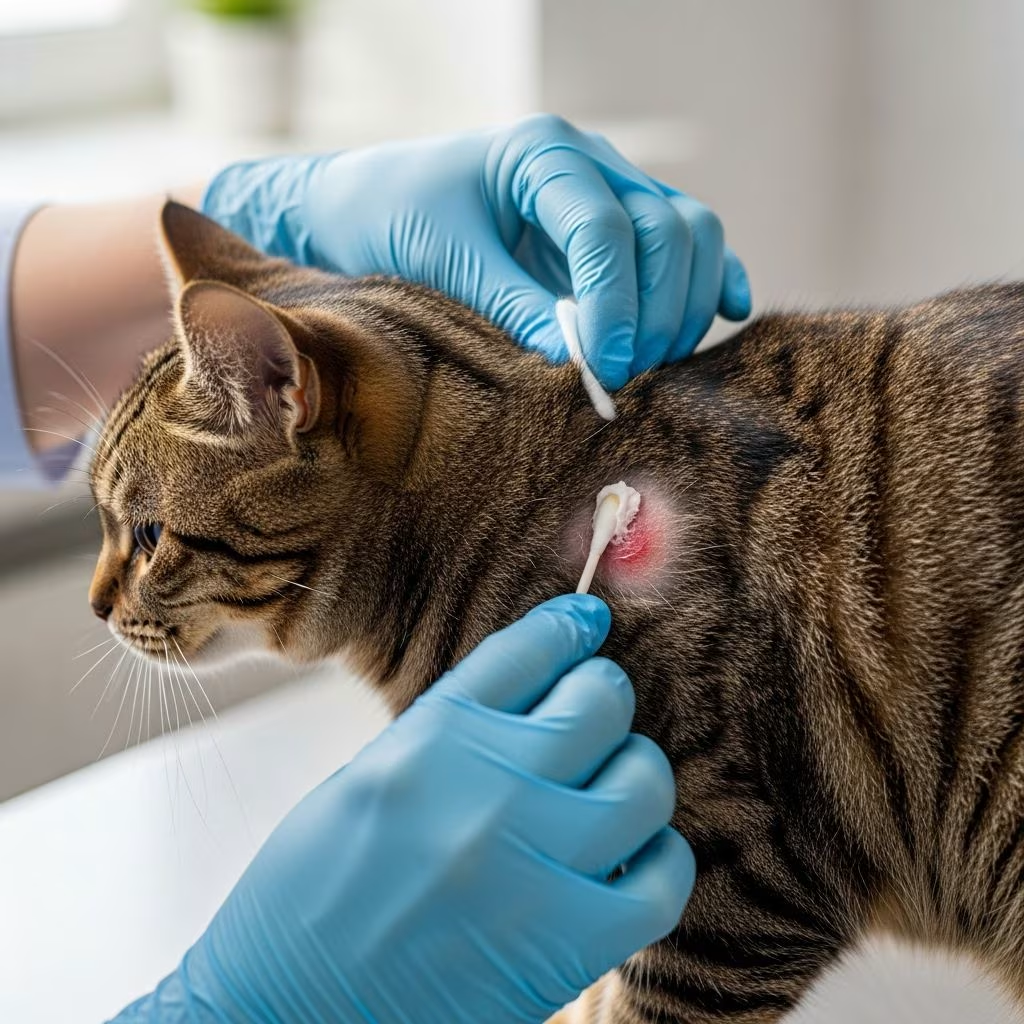
Ringworm, or dermatophytosis, is a common fungal infection in cats caused primarily by Microsporum canis, affecting the skin, hair, and nails. Effective management combines topical applications, oral medications, and thorough environmental decontamination to achieve full cure and prevent recurrence.
Understanding Feline Ringworm Infection
This contagious condition spreads through direct contact with infected animals, spores in the environment, or contaminated objects. Cats of all ages can contract it, but kittens, long-haired breeds, and immunocompromised individuals face higher risks. Symptoms include circular patches of hair loss, scaly skin, redness, and sometimes itching, though some cats show no signs despite shedding infectious spores.
- Common signs: Alopecia with broken hairs, crusty lesions, nail thickening.
- Transmission risks: Highly zoonotic, meaning it spreads to humans and other pets easily.
- Diagnosis importance: Visual inspection alone is insufficient; lab tests confirm the fungus.
Accurate Diagnosis of Ringworm in Cats
Veterinarians use multiple tools for reliable diagnosis. A Wood’s lamp reveals fluorescence in about 50-70% of M. canis cases, guiding sample collection. Direct microscopic examination of hair shows fungal elements, while fungal culture remains the gold standard, taking 7-14 days for growth. PCR tests offer rapid identification of the fungal species.
| Method | Accuracy | Time Required | Best Use |
|---|---|---|---|
| Wood’s Lamp | Moderate (50-70%) | Immediate | Screening |
| Microscopy | High for elements | Minutes | Quick check |
| Fungal Culture | Gold standard | 7-14 days | Confirmation |
| PCR | Very high | 1-2 days | Species ID |
Periodic cultures during treatment monitor progress; negative results on two sequential tests spaced 1-3 weeks apart indicate clearance.
Core Treatment Strategies for Ringworm
Treatment protocols integrate systemic antifungals, topical therapies, and hygiene to target the fungus internally, externally, and environmentally. Duration typically spans 6-12 weeks or until cultures confirm eradication. Incomplete therapy risks relapse.
Oral Antifungal Medications
Systemic drugs are essential for widespread infections. Itraconazole (5 mg/kg daily or pulse dosing: 5 mg/kg/day for 1 week on/off for 3-5 cycles) is preferred for efficacy and safety in cats. Terbinafine (30-40 mg/kg daily) persists in hair for weeks post-treatment, supporting pulse options. Griseofulvin (25-50 mg/kg daily with fatty food) is outdated due to toxicity risks like bone marrow suppression.
- Itraconazole benefits: Licensed for cats, well-tolerated, high cure rates.
- Terbinafine advantages: Effective against resistant strains, fewer side effects like vomiting.
- Monitoring: Liver function tests for prolonged use.
Topical Antifungal Therapies
Applied to lesions and coat, these kill surface spores. Clip hair around lesions (at home to avoid clinic spread), then use creams like miconazole, clotrimazole, or terbinafine on affected areas. Twice-weekly medicated baths with miconazole-chlorhexidine shampoos or enilconazole rinses are standard. Lime sulfur dips (weekly or biweekly) provide excellent sporicidal action without resistance.
For generalized cases, full-body clipping aids penetration, followed by dips. Avoid over-the-counter human products; vet-prescribed only.
Environmental Decontamination Essentials
Feline ringworm spores survive months in the environment, necessitating aggressive cleaning. Vacuum daily, dispose of bags immediately, and wipe surfaces with 1:10 bleach solution (contact time 10 minutes). Wash bedding in hot water with bleach; discard heavily contaminated items.
- High-traffic areas: Bleach or accelerated hydrogen peroxide disinfectants.
- Curved surfaces: Spores hide in corners; steam cleaning helps.
- Multiple cats: Isolate infected ones until two negative cultures.
Special Considerations for Multi-Cat Households
In catteries or homes with groups, combine aggressive therapy: all cats treated systemically/topically regardless of symptoms, plus full decontamination. Single-lesion cases may respond to topicals alone, but groups require combo approach for 10+ weeks.
Kittens and Persians tolerate clipping poorly; focus on dips and orals. Pregnant queens need vet guidance to avoid teratogenic drugs.
Potential Side Effects and Monitoring
Oral itraconazole rarely causes anorexia or liver enzyme elevation; monitor with bloodwork. Terbinafine may induce vomiting or pruritus. Topicals can irritate if licked; distract during application. Human handlers wear gloves; wash hands post-handling.
Prevention Tactics for Ringworm-Free Cats
Quarantine new cats for 2-3 weeks with cultures. Maintain hygiene, avoid overcrowding. No vaccines are reliably effective or recommended. Early detection via routine grooming checks prevents outbreaks.
Frequently Asked Questions (FAQs)
Can ringworm in cats heal without treatment?
Yes, but it prolongs shedding and spread risk; treatment accelerates recovery and protects others.
How long until my cat is non-contagious?
Typically after 2-3 weeks of therapy, but confirm with cultures; full clearance takes 6+ weeks.
Is ringworm dangerous to humans?
Usually mild in healthy people, but risky for children, elderly, immunocompromised; treat promptly.
What if treatment fails?
Reculture, check compliance, extend therapy, or switch drugs; resistant strains are rare.
Can I use human ringworm cream on my cat?
No; concentrations differ, and licking risks toxicity. Vet products only.
Long-Term Management and Prognosis
With adherence, 90-95% cure rates are achievable. Rechecks at 4, 8, and 12 weeks ensure success. Stress reduction supports immunity post-treatment.
References
- Ringworm in Cats — VCA Animal Hospitals. 2023. https://vcahospitals.com/know-your-pet/ringworm-in-cats
- GUIDELINE for Dermatophytosis, ringworm in cats — ABCD cats & vets. 2022. https://www.abcdcatsvets.org/guideline-for-dermatophytosis-ringworm-in-cats/
- Ringworm: A Serious but Readily Treatable Affliction — Cornell University College of Veterinary Medicine. 2023. https://www.vet.cornell.edu/departments-centers-and-institutes/cornell-feline-health-center/health-information/feline-health-topics/ringworm-serious-readily-treatable-affliction
- Understanding Ringworm in Cats: Expert Treatment Insights — Lakeside Animal Hospital. 2024. https://www.lakesideanimal.com/good-rx-asks-dr-frione-what-is-ringworm-in-cats-and-how-do-you-treat-it/
- Ringworm (Dermatophytosis) in Cats — Merck Veterinary Manual. 2025. https://www.merckvetmanual.com/cat-owners/skin-disorders-of-cats/ringworm-dermatophytosis-in-cats



