

Understanding Cat Ringworm: A Complete Care Guide
Ringworm is a common fungal infection that affects cats of all ages and breeds. Despite its name, ringworm is not caused by a worm but rather by a fungal organism called dermatophyte. This zoonotic disease can spread from cats to humans and other animals, making it essential for cat owners to understand the signs, transmission methods, diagnosis, and treatment options. Whether your cat has recently been diagnosed with ringworm or you’re looking to learn more about this condition, this comprehensive guide will help you navigate the complexities of feline ringworm care.
Recognizing the Signs of Ringworm in Cats
Identifying ringworm early is crucial for effective treatment. The condition typically manifests through distinctive physical symptoms that can vary in severity depending on the cat’s immune system and the extent of fungal colonization. Pet owners should familiarize themselves with these warning signs to catch the infection promptly.
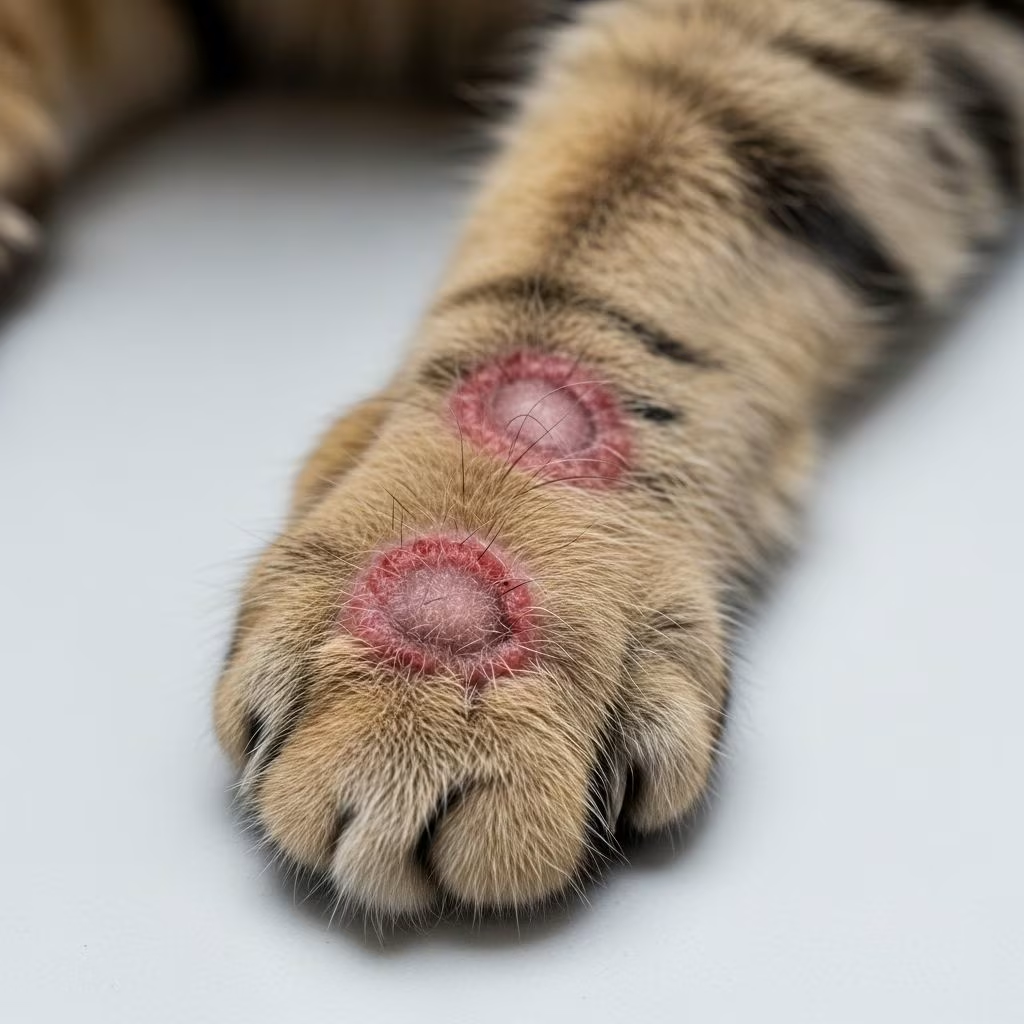
The most characteristic sign of feline ringworm is circular areas of hair loss, often described as alopecia. These bald patches frequently appear on the cat’s face, ears, feet, or tail and often develop a classic “ring” appearance with raised edges. The hair loss may be accompanied by broken and stubby hair around the affected areas.
Beyond hair loss, cats with ringworm commonly experience scaling or crusty skin. The affected areas may display redness and inflammation, appearing irritated or uncomfortable. Some cats develop alterations in hair or skin color, with affected areas appearing discolored compared to healthy fur. In certain cases, infected nails or nail beds become affected, leading to thickened, brittle nails that may break easily.
Additional symptoms include dandruff-like scaling deep within the coat, excessive grooming and scratching at infected areas, and in some cases, red or gray scaly lesions typically found on the head, chest, front legs, and spine. It’s important to note that not all cats display obvious symptoms; some may be asymptomatic carriers of the fungus.
How Ringworm Spreads Between Cats and to Humans
Understanding transmission is vital for preventing the spread of ringworm in multi-cat households and protecting family members. Ringworm is highly contagious and spreads through multiple pathways.
Direct contact with an infected cat is the most common transmission method. The fungal spores live on the cat’s fur, skin, and nails, and any direct touching can transfer these spores to another animal or person. This is why infected cats should be isolated from other pets when possible.
Environmental contamination plays a significant role in ringworm transmission. Fungal spores can survive on bedding, furniture, grooming tools, litter boxes, and other surfaces the infected cat contacts. These spores remain viable for extended periods, making thorough environmental decontamination essential for eliminating the infection source.
Indirect contact through contaminated objects is another transmission pathway. Shared grooming supplies, toys, or bedding can transfer fungal spores from an infected cat to a healthy one. Additionally, ringworm is a zoonotic disease, meaning infected cats can transmit the fungus to humans through direct contact or contaminated surfaces. People with compromised immune systems, young children, or elderly individuals face higher risk of infection.
Diagnostic Methods for Feline Ringworm
Accurate diagnosis is essential before beginning treatment. Veterinarians employ several diagnostic techniques to confirm ringworm and identify the specific fungal species involved.
Wood’s Lamp Examination
The Wood’s lamp test uses a special handheld device that emits ultraviolet light at a particular wavelength. When directed at affected areas, hairs infected with certain ringworm fungi will fluoresce an apple-green or yellowish-green color. However, this test isn’t entirely reliable, as other substances can cause false positive fluorescence. While the Wood’s lamp can raise suspicion of ringworm and help identify affected areas for sampling, it must be confirmed with additional testing.
Fungal Culture
Fungal culture remains the most accurate diagnostic method for confirming ringworm. During this procedure, veterinarians carefully pluck hairs from suspicious lesions and inoculate them onto special fungal culture material in a laboratory. Culture results typically take between two to three weeks to develop fully, though early signs of infection may appear within a few days. This test not only confirms ringworm presence but also identifies the specific fungal species, which helps determine the most effective treatment approach.
Microscopic Examination
Veterinarians may gently pluck small hair samples from around lesions and examine them under a microscope. This allows visualization of fungal spores attached to hair shafts and can provide preliminary diagnostic information while awaiting culture results.
PCR Testing
Polymerase chain reaction (PCR) testing helps identify the specific fungus causing the ringworm infection with high accuracy. This advanced diagnostic tool can be particularly useful when other tests yield inconclusive results.
Treatment Options for Cat Ringworm
Once ringworm is confirmed, treatment typically involves a combination approach for optimal results. The specific treatment plan depends on the extent of infection, the cat’s health status, and the identified fungal species.
Topical Antifungal Therapy
Topical treatments are applied directly to infected areas and include creams, ointments, shampoos, and medicated dips. For cats with small, isolated lesions, topical antifungal cream alone may be sufficient. However, for more widespread infections, topical therapy should be combined with systemic treatment.
Medicated shampoos containing miconazole and chlorhexidine have proven effective for treating feline ringworm. These shampoos should be applied twice weekly for several weeks to several months. In cases of more generalized disease, veterinarians may recommend lime sulfur dips, which are highly effective and safe but have a distinctive rotten egg odor and may temporarily turn light-colored coats yellow.
For cats with widespread infections, hair clipping or shaving may be recommended. This allows better penetration of topical medications and reduces the number of fungal spores on the coat. In cases with only one or two small affected areas, shaving just those regions may suffice.
Systemic Oral Antifungal Medication
Most ringworm cases require oral antifungal drugs for effective treatment. The most commonly prescribed medications are itraconazole and terbinafine, which are considered drugs of choice for treating feline ringworm. These systemic medications work by targeting the fungus internally and are essential for eliminating infections throughout the body.
Oral medications are typically administered as tablets or liquid and must be continued for a minimum of four to six weeks. In some cases, therapy may need to continue for several months depending on the severity of infection and treatment response. Discontinuing treatment too early can result in disease recurrence, so it’s crucial to follow your veterinarian’s recommendations completely.
Combination Therapy Approach
For most cases, combining topical and systemic treatments yields the best results. Your veterinarian may recommend using oral antifungal medication alongside medicated shampoos or dips. This comprehensive approach addresses the infection both from within the body and on the skin surface, providing faster and more complete resolution.
Monitoring Treatment Progress
Successful ringworm treatment requires ongoing monitoring. Fungal cultures are performed periodically after treatment begins to determine if your cat remains infected. Treatment is typically continued until two consecutive negative ringworm cultures are obtained, usually two to four weeks apart. This ensures complete eradication of the fungus before discontinuing medication.
Environmental Decontamination
Eliminating ringworm requires thorough environmental decontamination alongside medical treatment. After bathing or treating your cat, wash your hands thoroughly and sanitize any surfaces your cat contacted using a dilute bleach solution. Clean or replace bedding, toys, and grooming tools regularly. In multi-cat households, intensive environmental decontamination is crucial for preventing spread among cats and ensuring successful treatment outcomes.
Frequently Asked Questions
Q: Is ringworm contagious to humans?
A: Yes, ringworm is a zoonotic disease that can spread from infected cats to humans through direct contact or contaminated surfaces. People with weakened immune systems should take extra precautions when handling infected cats.
Q: How long does ringworm treatment take?
A: Treatment typically lasts a minimum of four to six weeks, though some cases may require several months of therapy. Treatment must continue until two consecutive negative fungal cultures are obtained.
Q: Can I treat ringworm with topical medication alone?
A: Topical treatment alone may be effective for cats with small, isolated lesions, but most cases require combination therapy with both topical and oral antifungal medications for successful treatment.
Q: How can I prevent ringworm from spreading to other pets?
A: Isolate the infected cat from other pets when possible, practice good hand hygiene, regularly clean and disinfect the environment, and avoid sharing grooming supplies and bedding between cats.
Q: Are there vaccines to prevent ringworm in cats?
A: Currently, safe and efficient vaccines for cats against ringworm are unavailable. Prevention focuses on early detection, proper treatment, and environmental management rather than vaccination.
Q: What should I do if my cat shows ringworm symptoms?
A: Schedule an appointment with your veterinarian immediately. Early diagnosis and treatment significantly improve outcomes and reduce the risk of spreading the infection to other animals or household members.
References
- Ringworm in Cats — Cornell University College of Veterinary Medicine, Cornell Feline Health Center. 2024. https://www.vet.cornell.edu/departments-centers-and-institutes/cornell-feline-health-center/health-information/feline-health-topics/ringworm-serious-readily-treatable-affliction
- Ringworm in Cats — VCA Animal Hospitals. 2024. https://vcahospitals.com/know-your-pet/ringworm-in-cats
- Ringworm (Dermatophytosis) in Cats — Merck Veterinary Manual. 2024. https://www.merckvetmanual.com/cat-owners/skin-disorders-of-cats/ringworm-dermatophytosis-in-cats
- Guideline for Dermatophytosis, Ringworm in Cats — Advisory Board on Cat Diseases (ABCD). 2024. https://www.abcdcatsvets.org/guideline-for-dermatophytosis-ringworm-in-cats/
- What Is Ringworm in Cats? Symptoms and Treatment — GoodRx Pet Health. 2024. https://www.goodrx.com/pet-health/cat/ringworm-in-cats
- Ringworm in Cats — PetMD. 2024. https://www.petmd.com/cat/conditions/skin/ringworm-in-cats
- Ringworm – Signs, Diagnosis and Treatment — Vetwest Animal Hospitals. 2024. https://www.vetwest.com.au/pet-library/ringworm-signs-diagnosis-and-treatment/



