

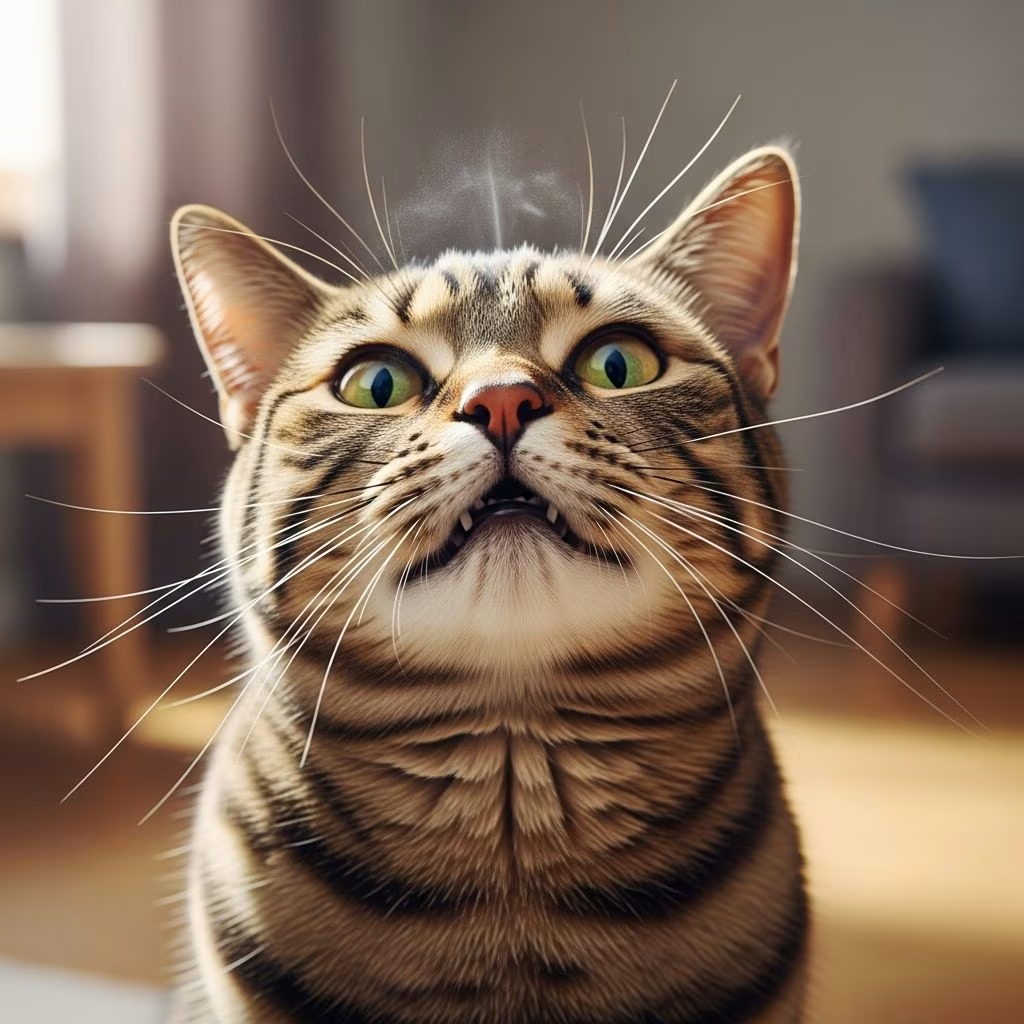
Reverse sneezing in cats is a startling but typically benign respiratory reflex where felines make rapid, forceful inhalations through the nose, often accompanied by snorting or honking sounds. This episode usually lasts seconds to a minute and serves as the body’s way to clear irritants from the nasal passages or throat.
Recognizing the Signs of Reverse Sneezing
Cat owners often panic the first time they witness reverse sneezing because it looks alarming. The cat stands with its neck extended, elbows tucked in, and head held high while producing a series of loud, repetitive snorts as it pulls air inward. Unlike normal sneezing, which expels air outward to eject particles, reverse sneezing draws air in forcefully to dislodge mucus or debris.
- Key indicators: Stiff body posture, rapid nasal inhalations, snorting or gagging noises, brief episodes resolving spontaneously.
- Distinguish from choking: No pawing at mouth, no vomiting attempts, and quick recovery without distress.
These bouts are more noticeable in brachycephalic breeds like Persians due to their shorter airways, but any cat can experience them.
Why Do Cats Reverse Sneeze?
The mechanism involves spasms in the throat muscles and soft palate, creating a partial airway blockage that triggers strong inhalations. This pulls irritants backward into the throat for swallowing, effectively clearing the nasal cavity.
Everyday Triggers
Most cases stem from minor environmental factors that mildly inflame the nasal lining.
| Trigger Type | Examples | Why It Happens |
|---|---|---|
| Environmental Irritants | Dust, pollen, smoke, perfumes, litter particles | Particles inflame sinuses, prompting reflex clearance. |
| Allergens | Fleas, household dust mites, strong odors | Immune response causes swelling and mucus buildup. |
| Excitement or Activity | Play sessions, sudden movements | Breathing changes irritate throat. |
| Climate Shifts | Dry air, AC blasts, humidity drops | Dries nasal passages, increasing sensitivity. |
Health-Related Causes
While infrequent episodes are normal, persistent ones may signal deeper issues. Nasal mites burrow into sinuses, causing chronic irritation treatable with antiparasitics. Infections (viral, bacterial) produce excess mucus, while allergies lead to inflammation.
- Rare but serious: Dental abscesses, nasal polyps, tumors, or feline asthma, often with added symptoms like wheezing or discharge.
Safe Ways to Help During an Episode
Do not panic—interfering roughly can worsen distress. Episodes self-resolve as the cat swallows or relaxes.
- Gently massage the throat: Use light strokes to encourage swallowing and break the spasm cycle.
- Briefly block nostrils: Cover both for 5-10 seconds to prompt mouth breathing and swallowing.
- Calm the environment: Speak softly, avoid picking up the cat to prevent added stress.
Avoid forcing the mouth open or inducing vomiting, as this risks injury.
Management Strategies for Frequent Episodes
Target prevention by minimizing triggers. Home adjustments often suffice for mild cases.
Home Environment Tweaks
- Vacuum regularly and use HEPA air purifiers to trap dust and allergens.
- Switch to low-dust, unscented litter; avoid clay types that kick up particles.
- Maintain 40-60% indoor humidity with humidifiers to soothe dry airways.
- Banish smoke, candles, and aerosols from cat zones.
Diet and Lifestyle Adjustments
Hypoallergenic diets may reduce food-related sensitivities contributing to nasal issues. Regular grooming curbs flea infestations.
Veterinary Interventions and Treatments
See a vet if episodes exceed once weekly, last over a minute, or pair with coughing, lethargy, eye/nose discharge, or breathing trouble.
Diagnosis involves physical exams, possibly nasal scopes, X-rays, or allergy tests to pinpoint causes.
| Condition | Treatment Options |
|---|---|
| Allergies | Antihistamines (e.g., cetirizine), steroids for inflammation. |
| Infections | Antibiotics (e.g., Clavamox®). |
| Nasal Mites | Topical antiparasitics (e.g., Revolution® PLUS). |
| Polyps/Foreign Bodies | Surgical removal. |
| Asthma | Inhalers, oral meds for airway management. |
Most treatments curb episodes effectively once the root is addressed.
When to Rush to the Vet
Monitor for red flags indicating urgency:
- Episodes multiple times daily or worsening frequency.
- Accompanied by open-mouth breathing, blue gums, collapse.
- Nasal bleeding, foul breath, weight loss (possible tumors or dental disease).
- No improvement after home interventions.
Brachycephalic cats or seniors warrant quicker checks due to higher risks.
FAQs on Cat Reverse Sneezing
Is reverse sneezing dangerous for cats?
Typically no—it’s a normal clearance reflex. Worry only if chronic or with other symptoms.
How long do episodes last?
Usually 10-30 seconds; prolonged ones need vet review.
Can diet affect reverse sneezing?
Yes, allergies to food ingredients may contribute; hypoallergenic trials help.
Does breed matter?
Flat-faced breeds are prone due to anatomy.
Should I record episodes for the vet?
Absolutely—videos aid diagnosis.
Long-Term Monitoring and Prognosis
Track episode frequency in a journal, noting triggers like cleaning days or pollen seasons. Annual wellness exams catch brewing issues early. With trigger avoidance and prompt treatment, most cats live sneeze-free.
Understanding this reflex empowers owners to respond confidently, ensuring feline comfort without unnecessary alarm.
References
- Reverse Sneezing in Cats – Causes, Treatment and … – Vetster — Vetster. 2023. https://vetster.com/en/symptoms/cat/reverse-sneezing-in-cats
- Reverse Sneeze In Cats – Causes, Symptoms & Treatment — Beyond Pets. 2023. https://beyondpets.com/pet-health-plus/reverse-sneeze-in-cats/
- Reverse Sneezing in Cats | Curem Veterinary Care — Curem Vet. 2024. https://www.curemvet.com/blog/reverse-sneezing-in-cats-what-causes-it-and-when-to-worry/
- Reverse Sneezing in Cats: What Causes It and When To Worry — PetMD. 2024. https://www.petmd.com/cat/symptoms/reverse-sneezing-in-cats
- Reverse Sneezing in Cats | Loveland Regional Animal Hospital — Loveland Regional. 2023. https://lovelandregional.com/blog/reverse-sneezing-in-cats/
- Reverse Sneezing in Cats: Why is My Cat Doing it and is it Normal? — Lake City Animal Hospital. 2023. https://lakecityanimalhospital.com/blog/reverse-sneezing-in-cats/



