

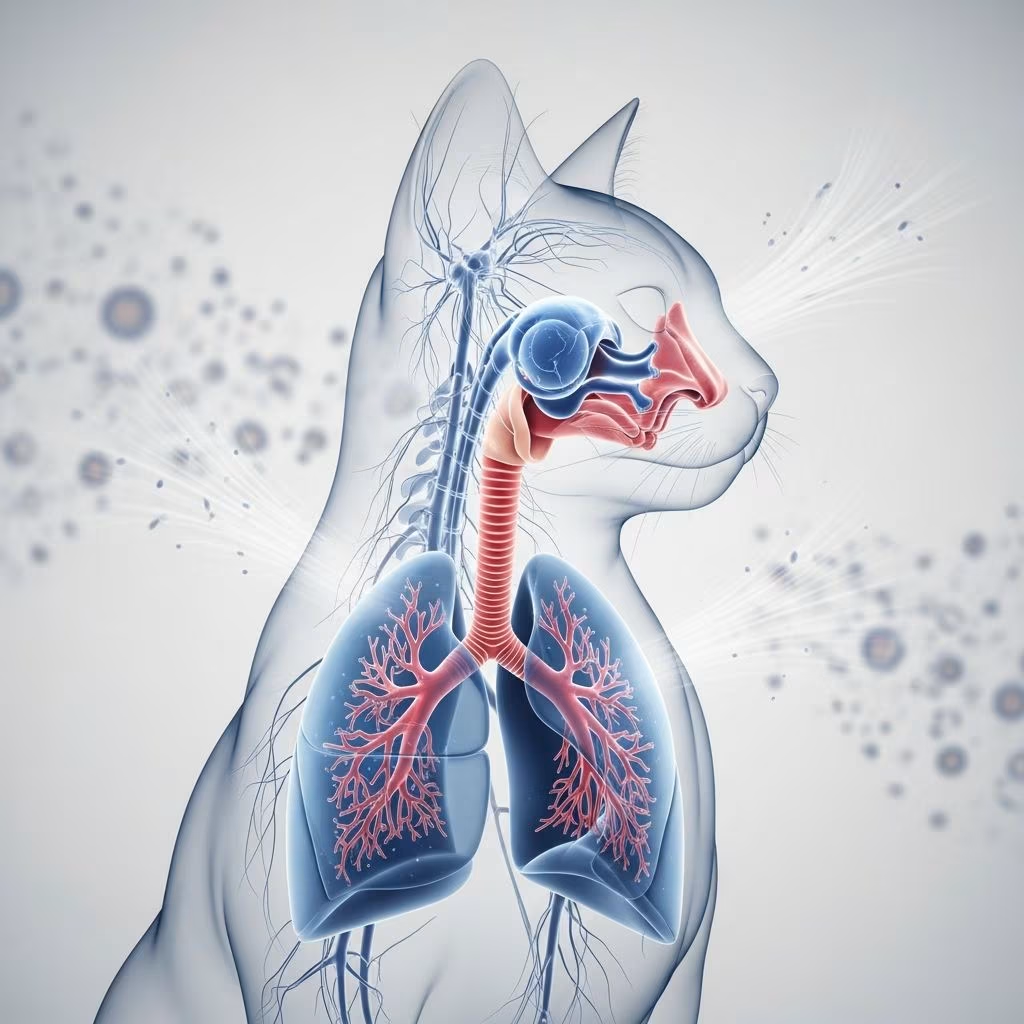
The feline respiratory disease complex represents a prevalent group of infections affecting cats’ upper airways, often termed “cat flu.” This condition arises from multiple pathogens working alone or together, leading to inflammation in the nose, throat, eyes, and mouth. While typically self-resolving in healthy adults, it poses greater risks to kittens, seniors, and stressed cats, potentially escalating to pneumonia or chronic issues.
Primary Pathogens Behind Feline Respiratory Issues
Several viruses and bacteria drive this complex. Feline herpesvirus type 1 (FHV-1), also known as feline viral rhinotracheitis, targets the nasal passages and eyes, causing severe conjunctivitis and corneal damage. Feline calicivirus (FCV) frequently leads to oral ulcers and can involve the lungs in virulent strains. Bacterial contributors like Chlamydia felis and Mycoplasma felis exacerbate symptoms, often as secondary invaders.
- FHV-1: Highly contagious, lifelong carrier state common, stress triggers recrudescence.
- FCV: Multiple strains exist; some cause systemic disease with joint pain or fatal pneumonia.
- Chlamydia felis: Primarily ocular, treatable with antibiotics.
- Mycoplasma felis: Contributes to chronic rhinitis.
- Bordetella bronchiseptica: Less common, induces coughing.
Dual or multiple infections amplify severity, explaining varied presentations in affected cats.
Recognizing Symptoms in Your Cat
Early detection hinges on observing subtle changes. Initial signs mimic a human cold: frequent sneezing, clear nasal discharge turning thick and pus-like, and watery eyes with redness. Cats may squint, paw at their face, or show enlarged lymph nodes under the jaw.
Progression brings oral discomfort from FCV, with tongue or palate ulcers causing drooling, bad breath, and appetite loss. Fever spikes to 105°F (40.5°C), accompanied by lethargy and dehydration. In kittens or weakened felines, breathing difficulties signal lower tract involvement like pneumonia.
| Symptom Severity | Common Signs | Potential Complications |
|---|---|---|
| Mild (Upper Airway) | Sneezing, clear discharge, mild conjunctivitis | Self-limiting in 7-10 days |
| Moderate | Mucopurulent discharge, oral ulcers, fever, inappetence | Secondary bacterial infection |
| Severe (Lower Airway) | Dyspnea, coughing, pneumonia signs | Fatal in unvaccinated kittens |
Monitor for blepharospasm (squinting), corneal ulcers, or lameness from FCV variants, warranting immediate veterinary attention.
Diagnostic Approaches for Accurate Identification
Veterinarians rely on history, exam, and targeted tests. Signalment—age, vaccination status, multi-cat exposure—guides suspicion. Physical findings like rhinitis, conjunctivitis, and oral lesions suggest specific agents: FHV-1 for nasal/ocular focus, FCV for ulcers.
Laboratory confirmation involves PCR swabs from nose, throat, or eyes detecting viral DNA/RNA, or bacterial cultures. Viral isolation via tissue culture is gold standard but slow. Serology checks antibody levels, useful for vaccination response. Radiographs assess pneumonia; bloodwork rules out systemic illness.
- Presumptive: Clinical signs alone for mild cases.
- Confirmatory: PCR for FHV-1/FCV (high sensitivity).
- Advanced: Endoscopy or biopsy for chronic carriers.
Supportive Care and Treatment Strategies
No cure exists for viral components; management focuses on symptom relief and preventing secondary issues. Isolate infected cats to curb spread, as FHV-1 sheds via aerosols and direct contact.
Nutrition and Hydration: Force-feed soft, warmed food or use appetite stimulants like mirtazapine. Subcutaneous fluids combat dehydration.
Eye and Nose Care: Gentle cleansing with saline; topical antivirals (e.g., famciclovir for FHV-1) or antibiotics (doxycycline for Chlamydia) for ulcers/discharge.
Antimicrobials: Broad-spectrum like amoxicillin-clavulanate for bacterial overgrowth; avoid routine use to prevent resistance.
Nebulization: Saline mist moistens airways, aiding mucus clearance.
Hospitalization for oxygen therapy in dyspneic cases. Lysine supplements may reduce FHV-1 shedding, though evidence varies.
Prevention Through Vaccination and Hygiene
Core vaccines target FHV-1 and FCV, administered in series to kittens and boosted annually or every 3 years. Intranasal versions enhance mucosal immunity but risk mild sneezing post-vax. Bordetella vaccines suit high-risk environments like shelters.
Hygiene protocols: Quarantine new cats, disinfect with bleach (1:32 dilution), minimize stress via stable routines. Screen carriers via PCR before breeding. Spay/neuter reduces population density in colonies.
Special Considerations for High-Risk Cats
Kittens under 6 months suffer highest mortality from pneumonia or dehydration. Pregnant queens risk fetal loss. Chronic carriers (10-80% for FHV-1) flare with stress; long-term antivirals or lysine help. Virulent systemic FCV demands aggressive ICU care.
In multi-cat homes or shelters, outbreaks require mass testing, vaccination drives, and cohort housing.
Frequently Asked Questions (FAQs)
Is cat respiratory complex contagious to humans?
No, these feline-specific pathogens do not infect people.
How long does it take for a cat to recover?
Mild cases resolve in 1-3 weeks with care; severe ones longer.
Can unvaccinated cats fully recover?
Yes, but risks higher; vaccination prevents severe disease.
What home remedies help symptoms?
Steam from bathroom showers, humidifiers, and saline wipes; consult vet first.
Why does my cat keep getting this after recovery?
Latent FHV-1 reactivates with stress; test for carrier status.
Long-Term Management for Chronic Cases
Recurrent rhinitis may need ongoing antimicrobials, nasal flushes, or rhinotomy surgery. Monitor weight and respiratory rate (normal <35/min). Annual wellness exams catch carriers early.
Owners should track outbreaks via apps or journals, noting triggers like boarding or diet changes.
References
- Feline Upper Respiratory Infection — VCA Animal Hospitals. 2023. https://vcahospitals.com/know-your-pet/feline-upper-respiratory-infection
- Feline respiratory disease complex: insights into the role of viral and bacterial pathogens — PMC (PubMed Central). 2024-10-15. https://pmc.ncbi.nlm.nih.gov/articles/PMC11405337/
- Feline Respiratory Disease Complex — Merck Veterinary Manual. 2023-05-01. https://www.merckvetmanual.com/respiratory-system/respiratory-diseases-of-small-animals/feline-respiratory-disease-complex
- Feline Respiratory Disease Complex — MSD Veterinary Manual. 2023-05-01. https://www.msdvetmanual.com/respiratory-system/respiratory-diseases-of-small-animals/feline-respiratory-disease-complex
- Respiratory Infections — Cornell University College of Veterinary Medicine. 2023. https://www.vet.cornell.edu/departments-centers-and-institutes/cornell-feline-health-center/health-information/feline-health-topics/respiratory-infections



