

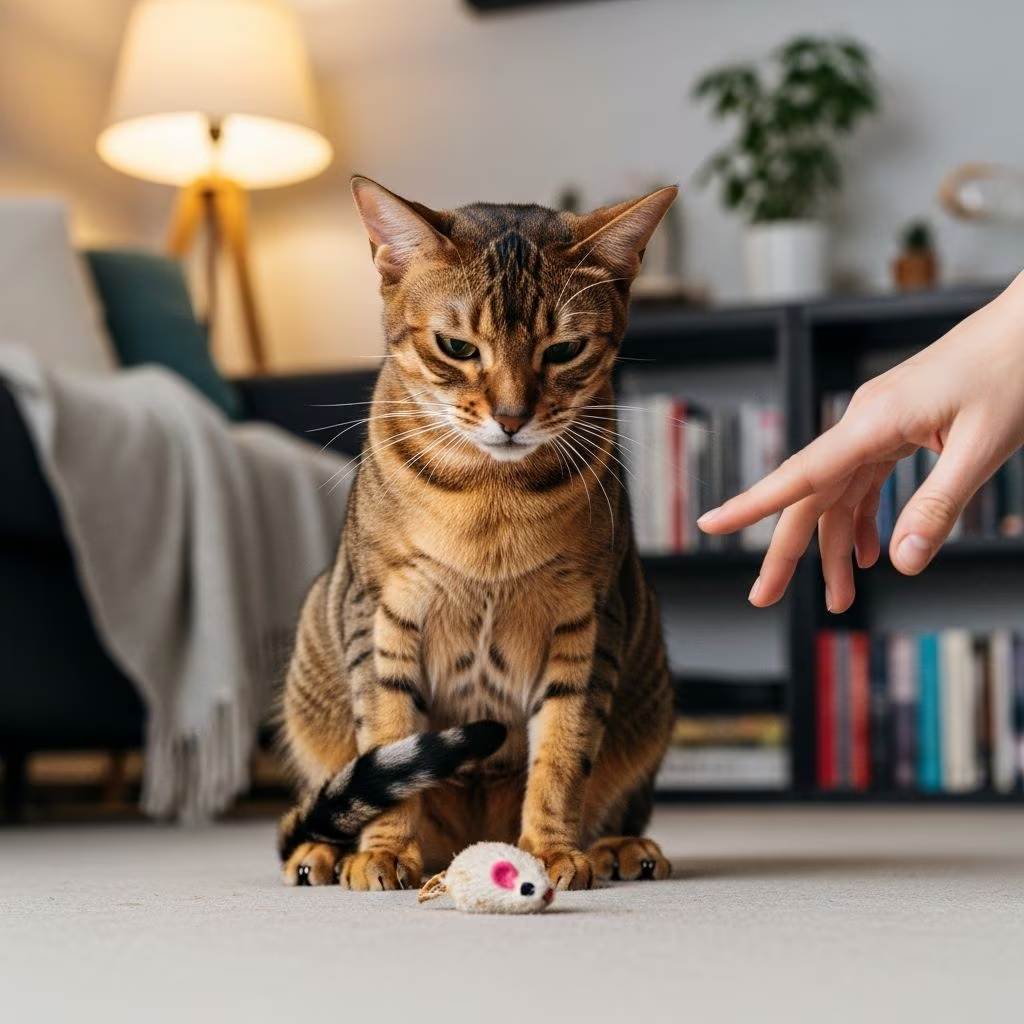
Resource guarding in cats manifests as protective behaviors over valued items like food, toys, or resting areas, driven by survival instincts and environmental stressors. This common issue affects many households, particularly those with multiple cats, but can be managed through understanding and targeted interventions.
Understanding the Instinct Behind Feline Protectionism
Cats exhibit resource guarding as a natural response to perceived threats against items essential for survival. In the wild, securing food or safe havens directly impacts life expectancy, and domesticated cats retain this primal drive despite abundant resources in homes.
This behavior often intensifies in environments mimicking scarcity, such as multi-pet homes or after life changes. Veterinary experts note that while instinctual, unchecked guarding can lead to household tension, injuries, or strained pet-owner bonds.
Common Triggers Sparking Defensive Reactions
Several factors precipitate resource guarding. Primary among them is stress from household changes, like introducing a new pet, baby, or furniture rearrangement, which disrupts a cat’s sense of security.
- New arrivals, such as another cat or dog, heighten competition perceptions.
- History of scarcity, common in shelter or street cats, embeds deep-seated fears.
- Improper early socialization during kittenhood fails to teach sharing.
Genetics contribute too; certain breeds show higher aggression tendencies, though individual temperament varies widely. Unneutered cats may guard more aggressively due to hormonal territorial impulses. Pain or redirected frustration from unrelated issues can also mimic guarding.
Recognizing Subtle and Overt Warning Signals
Identifying resource guarding early prevents escalation. Cats communicate discomfort through body language before physical confrontations.
| Behavior Type | Description | Common Contexts |
|---|---|---|
| Verbal Cues | Hissing, growling, or intense meowing | Near food bowls or favored humans |
| Physical Actions | Swatting, stalking, or blocking access | Litter box areas or nap spots |
| Postural Signs | Relaxed appearance but tense face; spraying | Pathways to guarded resources |
| Escalated Responses | Chasing or biting intruders | Multi-cat toy play sessions |
These signals often target other pets but can extend to owners approaching valued items. Subtle guarding, like lounging strategically to block paths, requires keen observation.
Valuables Cats Fiercely Protect
Beyond obvious food, cats claim diverse “resources.” Understanding these helps preempt conflicts.
- Food and Treats: Prime targets due to survival links; blocking siblings from bowls is frequent.
- Preferred People: Lap-sitting turns possessive, with swats at approaching rivals.
- Resting Zones: Cat trees, beds, or sunny windows become no-go areas.
- Litter Facilities: Guarding access subtly disrupts household rhythms.
- Play Items: Toys snatched during sessions spark chases.
In multi-cat setups, even abundant supplies feel scarce if competition arises.
Proven Strategies to Minimize Guarding Tendencies
Management prioritizes abundance and positive associations over punishment, which worsens anxiety.
Environmental Adjustments for Plenty
Ensure multiple resources exceed cat numbers. For instance, maintain one litter box per cat plus one extra, spaced privately. Feed in separate rooms to eliminate competition.
- Install additional scratching posts and perches.
- Distribute identical toys to reduce envy.
- Use vertical space like shelves for exclusive territories.
Desensitization and Counter-Conditioning Techniques
Gradually accustom cats to approach during resource use. Start at a distance with high-value treats for calm responses, slowly closing gaps. Pair human proximity to bowls with praise or extras to reframe as positive.
Interactive play individually prevents toy hoarding. Pheromone diffusers calm stress triggers.
Role of Medical and Professional Interventions
Rule out pain via vet exams, as hidden discomfort fuels aggression. Neutering curbs hormone-driven guarding. For persistent cases, consult certified behaviorists using force-free methods.
Special Considerations for Multi-Cat Households
Harmonious multi-cat living demands proactive planning. Observe dynamics to spot imbalances; dominant cats may monopolize without overt fights.
Separate feeding prevents starvation risks, as cats skipping meals face hepatic lipidosis. Gradual introductions with scent swapping build tolerance before visual contact.
Long-Term Prevention from Kittenhood
Early handling fosters secure adults. Encourage shared eating among littermates and hand-feeding to associate humans positively. Enrich environments with puzzles promoting plenty mindsets.
Frequently Asked Questions
Is resource guarding dangerous for my cats?
Yes, it risks injuries and stress-related illnesses; intervene promptly to safeguard health.
Can all cats outgrow resource guarding?
Many improve with management, but rescues may need ongoing strategies due to past traumas.
Should I punish a guarding cat?
No; punishment heightens fear. Focus on positive reinforcement.
How long until training shows results?
Weeks to months, depending on consistency and severity; patience is key.
Does breed affect guarding likelihood?
Some like Turkish Vans show propensities, but environment trumps genetics.
Building a Guard-Free Feline Paradise
Transforming a guarding-prone home involves commitment to abundance, observation, and gentle training. Most cats thrive, revealing affectionate sides once security returns. Persistent challenges warrant professional guidance to ensure welfare.
References
- What is Resource Guarding, Why is Your Cat Defensive, and What Do You Do — Hervey Cats. 2023-05-15. https://www.herveycats.com/blog/what-is-resource-guarding-why-is-your-cat-defensive-and-what-do-you-do
- Cat Resource Guarding: Vet-Reviewed Causes & What to Do — Catster. 2024-08-20. https://www.catster.com/cat-behavior/cat-resource-guarding/
- Resource Guarding Behavior in Cats — Cat Behavior Associates. 2022-11-10. https://catbehaviorassociates.com/resource-guarding-behavior-in-cats/
- How to Identify and Manage Resource Guarding in Cats and Dogs — Pet Nation Omaha. 2023-03-05. https://www.petnationomaha.com/blog/how-to-identify-manage-resource-guarding-in-cats-dogs
- What is Resource Guarding? — BLVD Vet Chicago. 2024-01-12. https://www.blvd.vet/blog/what-is-resource-guarding



