

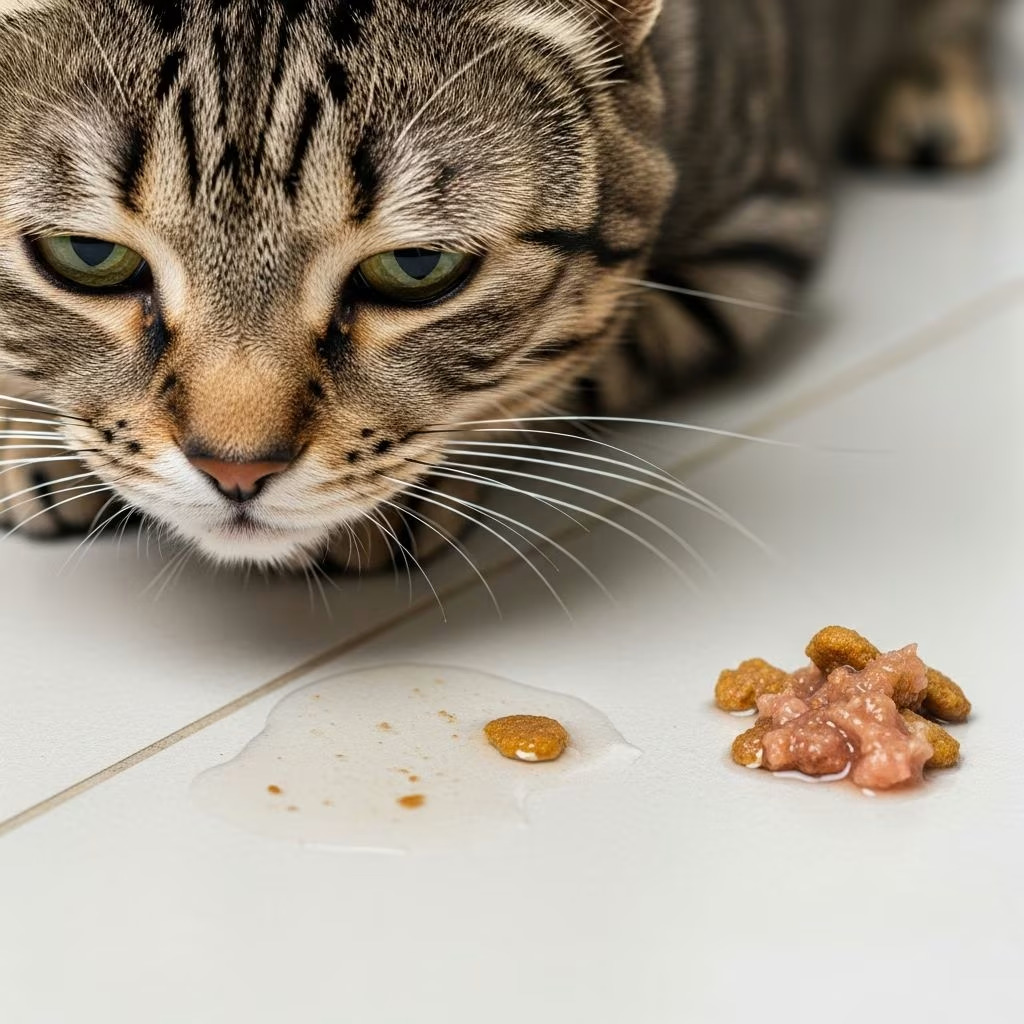
Distinguishing between regurgitation and vomiting in cats is crucial for pet owners, as these processes signal different underlying issues ranging from benign habits to serious medical conditions. Regurgitation involves the passive expulsion of undigested food from the esophagus, while vomiting is an active stomach contraction ejecting partially digested contents.
Defining Regurgitation in Cats
Regurgitation occurs when a cat effortlessly brings up food or liquid from the esophagus without stomach involvement. This passive action often happens shortly after eating, producing tube-shaped, undigested material covered in saliva or mucus. Unlike vomiting, cats show no signs of nausea, such as drooling or abdominal heaving, during regurgitation.
Common triggers include overeating or rapid eating, where excess food or swallowed air remains in the esophagus and is expelled naturally. Less frequent occurrences, tied to meals, typically pose little concern, but regular episodes warrant investigation into esophageal motility problems or congenital defects.
Understanding Vomiting Mechanisms
Vomiting is a forceful, active process where the stomach and abdominal muscles contract to expel contents from the stomach and upper intestines. Preceded by signs like lip licking, drooling, or retching, the expelled material appears partially digested, mixed with bile or foam.
This reflex protects the body from toxins or irritants but can stem from diverse causes, including infections, dietary indiscretions, or systemic diseases. Frequent vomiting demands prompt attention to prevent dehydration or nutritional deficits.
Visual and Behavioral Distinctions
Key identifiers help differentiate the two:
- Effort Level: Regurgitation is passive—cats simply lower their heads, and food drops out. Vomiting involves visible straining and heaving.
- Food Appearance: Regurgitated food is whole, tubular, and slick with mucus. Vomited material is broken down, possibly yellow from bile or foamy.
- Timing: Regurgitation follows meals immediately. Vomiting can occur anytime, often with preceding discomfort.
- Companion Signs: No nausea in regurgitation; vomiting may include lethargy, appetite loss, or diarrhea.
| Feature | Regurgitation | Vomiting |
|---|---|---|
| Process | Passive | Active with contractions |
| Content | Undigested, tubular | Digested, bile/foam |
| Pre-signs | None | Drooling, retching |
| Frequency Concern | Occasional OK | Always check if frequent |
Factors Leading to Regurgitation
Behavioral eating patterns dominate mild cases. Cats that gulp food swallow air, distending the esophagus and prompting expulsion. Overfeeding exacerbates this, as the stomach rejects surplus via the esophagus.
Structural issues like esophageal strictures reduce motility, trapping food. Congenital anomalies, such as patent ductus arteriosus compressing the esophagus, manifest early in life. Esophagitis from reflux, medications, or irritants causes inflammation, leading to repeated episodes alongside drooling and swallowing pain.
Common Triggers for Vomiting
Dietary sensitivities top the list, with rapid eating, allergies, or scavenging causing stomach upset. Parasites like roundworms irritate the gut, often with diarrhea.
Infections (viral, bacterial) and hairballs provoke acute episodes. Chronic vomiting links to inflammatory bowel disease, pancreatitis, diabetes, or organ failures like liver disease. Foreign bodies or obstructions demand emergency intervention.
Interpreting Vomit Characteristics
The vomit’s look offers diagnostic clues:
- Clear/Foamy: Indicates gastric irritation or empty stomach reflux.
- Yellow/Bile: Suggests fasting, liver issues, or intestinal slowdown.
- Bloody: Signals ulcers, toxins, or repeated irritation.
- Green: Bile from small intestines, possibly obstruction-related.
- Mucus-Covered Undigested: Points to regurgitation over vomiting.
Observing color, texture, and frequency aids vets in pinpointing causes.
Immediate Action Steps for Pet Owners
For isolated regurgitation post-meal, implement feeding changes: smaller portions, slow-feed bowls, or puzzle toys to curb gulping. Elevate food bowls slightly to aid gravity-assisted swallowing.
Vomiting requires withholding food briefly (12-24 hours) while ensuring hydration, then reintroducing bland diets. Persistent cases need fecal tests for parasites or bloodwork for systemic ills.
Monitor weight, energy, and stool. Track episodes in a log noting timing, appearance, and diet for veterinary consultations.
Critical Warning Signs
Seek urgent care if:
- Vomiting exceeds twice weekly or includes blood.
- Dehydration signs appear: tacky gums, sunken eyes, skin tenting.
- Accompanied by lethargy, anorexia, or abdominal pain.
- Regurgitation frequency increases or pairs with weight loss.
- Any breathing distress or neck extension.
Early intervention prevents complications like aspiration pneumonia from esophageal reflux.
Diagnostic Approaches by Veterinarians
Vets start with history and physical exams, followed by radiographs to detect obstructions or motility flaws. Endoscopy visualizes esophageal inflammation or strictures. Blood panels screen for infections, organ function, or metabolic disorders.
Ultrasounds evaluate abdominal organs, while barium swallows trace esophageal paths. Tailored treatments may include antacids for esophagitis, deworming, or surgery for malformations.
Preventive Strategies for Digestive Wellness
Promote slow eating with portion control and interactive feeders. Regular grooming reduces hairballs; deworm quarterly. Balanced, hypoallergenic diets suit sensitive cats. Annual checkups catch congenital issues early.
Hydration via fountains encourages water intake, diluting stomach acids. Avoid table scraps to prevent indiscretion.
Frequently Asked Questions
Is occasional regurgitation normal in cats?
Yes, if meal-related and infrequent, but monitor for patterns signaling deeper issues.
How can I stop my cat from eating too fast?
Use puzzle feeders, spread food out, or feed smaller meals multiple times daily.
What if my cat regurgitates but seems healthy?
Adjust feeding; consult a vet if it persists beyond a month.
Does hairball vomit count as regurgitation?
Hairballs can mimic regurgitation but often involve stomach contents, resembling vomiting.
When is vomiting an emergency?
With blood, dehydration, or lethargy—head to the vet immediately.
References
- Cat Regurgitation – PetMD — PetMD. 2023. https://www.petmd.com/cat/symptoms/cat-regurgitation
- Cat Vomiting Explained: Signs, Causes, and When to See a Vet — MT Pet Vet. 2024. https://mtpetvet.com/cat-vomiting-explained-signs-causes-and-when-to-see-a-vet/
- Cat Vomiting: Causes, Types, and What to Do | PetMD — PetMD. 2023. https://www.petmd.com/cat/symptoms/cat-vomiting-causes-and-types
- Regurgitation in Cats: Causes, Symptoms, and Treatment — Cats.com. 2024. https://cats.com/regurgitation-in-cats
- Cat Regurgitation vs. Vomiting: Vet Reviewed Differences & How to … — Catster. 2024. https://www.catster.com/cat-health-care/cat-regurgitation-vs-vomiting/
- What is the difference between vomiting and regurgitation in cats? — Vets Kitchen. 2023. https://vetskitchen.co.uk/knowhow/what-is-the-difference-between-vomiting-and-regurgitation-in-cats



