

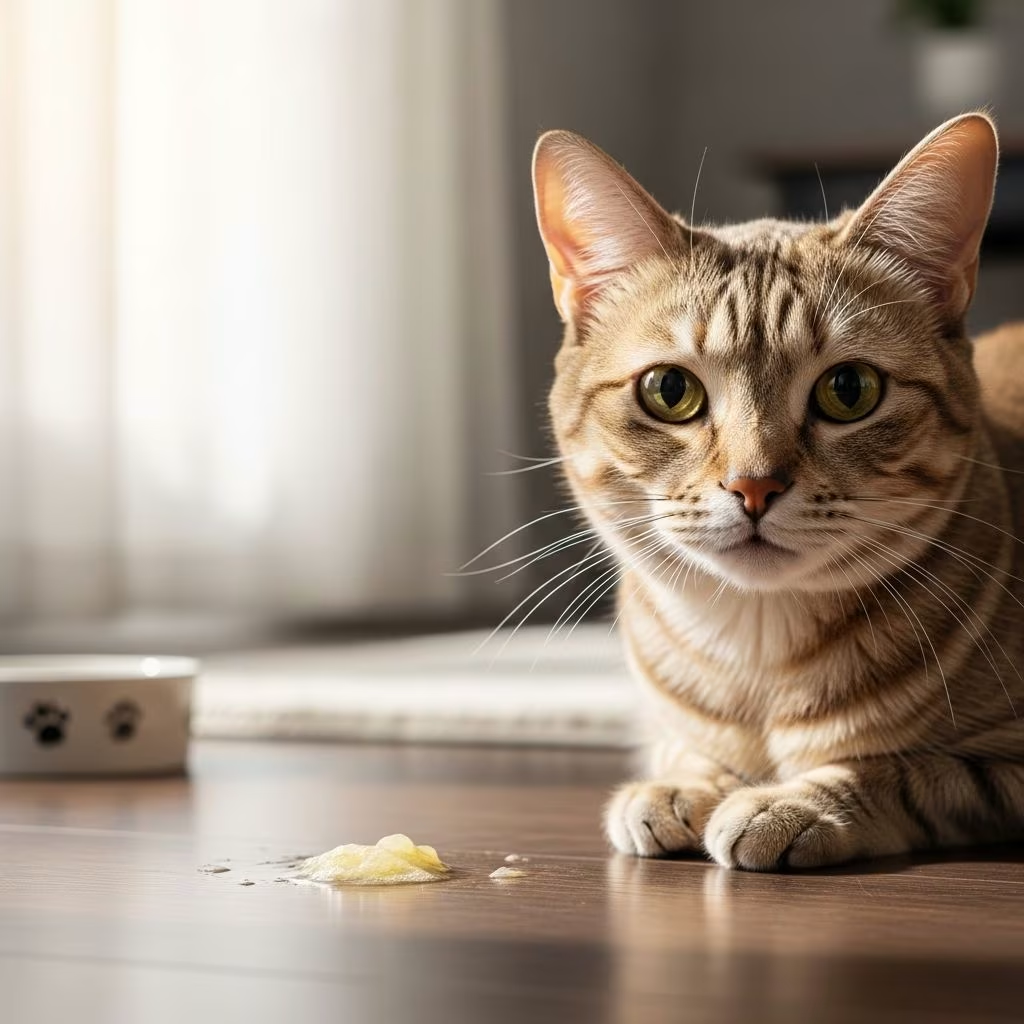
If you’ve noticed your cat bringing up undigested food shortly after meals, you’re not alone. Many cat owners observe this behavior and wonder whether their feline companion has a serious health condition or simply an eating habit issue. The good news is that understanding the difference between regurgitation and vomiting is the first step toward identifying what’s happening with your cat and determining the appropriate course of action.
Distinguishing Between Regurgitation and True Vomiting
Before exploring the causes of undigested food coming back up, it’s essential to understand that what you’re observing may not actually be vomiting at all. Regurgitation and vomiting are two distinct physiological processes that often get confused because they both involve food being expelled from the mouth. However, they differ significantly in their mechanics, appearance, and underlying causes.
What Regurgitation Looks Like
Regurgitation occurs when food is passively expelled from the esophagus, pharynx, and mouth without involving stomach contractions or the digestive process. When your cat regurgitates, the process is typically quiet and non-dramatic. The food comes up with minimal effort, often accompanied only by a slight cough or gag reflex. Importantly, regurgitated food appears nearly identical to how it looked when consumed—it’s undigested, maintains a cylindrical or tube-like shape, and may be covered lightly with mucus but typically lacks bile.
Regurgitation almost always occurs immediately after eating or within a very short timeframe afterward. If you observe your cat expelling food that looks completely unprocessed, you’re almost certainly witnessing regurgitation rather than vomiting.
What True Vomiting Involves
In contrast, true vomiting is a much more active process that expels contents from both the stomach and the early portion of the small intestine. When cats vomit, you’ll typically see dramatic physical signs including abdominal contractions, spasms, and often audible retching sounds. Vomited material is usually at least partially digested and frequently contains bile, which appears as a yellow or greenish fluid.
Vomiting may occur several hours after eating rather than immediately, and it often leaves cats feeling lethargic due to electrolyte loss associated with bile expulsion. The overall presentation of vomiting is much more distressing both for the cat and the observing owner.
Understanding this distinction is crucial because regurgitation and vomiting typically have different underlying causes and require different management approaches.
Dietary Factors That Trigger Regurgitation
The majority of regurgitation cases in cats are directly related to feeding practices and dietary choices. Identifying and addressing these factors often resolves the issue without requiring veterinary intervention.
Rapid Eating and Excessive Food Intake
Rapid consumption is one of the leading causes of regurgitation in cats. When cats eat too quickly, they swallow large amounts of air along with their food. This air becomes trapped in the stomach and esophagus, creating discomfort and pressure that forces the recently consumed food back up. Additionally, when cats surpass their stomach’s actual capacity by overeating, excess food sitting in the esophagus will naturally come back up.
Several strategies can help slow your cat’s eating pace:
- Divide daily food portions into smaller, more frequent meals rather than one or two large feedings
- Use slow-feed bowls or puzzle feeders designed to make cats work for their food
- Place food in multiple locations to discourage rapid consumption
- Monitor feeding times and avoid leaving food available all day for cats prone to overeating
Sudden Diet Changes and Food Sensitivities
Cats have sensitive digestive systems that can react negatively to abrupt dietary changes. When transitioning to a new food, the shift should occur gradually over seven to ten days, mixing increasing amounts of the new food with decreasing amounts of the old food. This allows the digestive system time to adjust.
Additionally, some cats have inherently sensitive stomachs or food intolerances to specific ingredients. Common dietary triggers include rich or fatty foods, certain proteins like beef or chicken, and dairy products. If you suspect a food sensitivity, discussing an elimination diet with your veterinarian can help identify problematic ingredients.
Water Consumption and Meal Timing
Excessive water consumption immediately before or after meals can also contribute to regurgitation. When a cat drinks large quantities of water around feeding time, it reduces the available stomach volume for food, causing pressure that forces food back up. Separating water access from mealtime can help prevent this issue.
Behavioral and Environmental Contributors
Beyond what and how your cat eats, emotional and environmental factors significantly influence digestive function and regurgitation frequency.
Stress and Anxiety Effects
Cats experiencing stress, fear, or anxiety often display altered eating behaviors that lead to regurgitation. Environmental changes such as moving to a new home, introducing a new pet, or even modifications to the household routine can trigger stress responses. When stressed or fearful—particularly if competing for food resources with other pets—cats tend to eat rapidly and consume excessive amounts, directly causing regurgitation.
Creating a calm feeding environment, establishing consistent routines, and ensuring each cat has access to their own food bowl in a quiet location can significantly reduce stress-related regurgitation.
Physical Activity Timing
Vigorous exercise immediately after eating can disturb digestion and trigger regurgitation, particularly in kittens. Cats should have quiet rest time following meals to allow proper digestive function. Scheduling active play sessions well before feeding times helps prevent this issue.
Medical Conditions Associated with Regurgitation
While many regurgitation cases stem from feeding practices, certain medical conditions require professional evaluation and treatment.
Esophageal Disorders
Inflammation of the esophagus (esophagitis) inhibits the normal forward motion that propels food into the stomach, leading to regurgitation. Interestingly, chronic vomiting can cause stomach acid to damage the esophagus, creating a cycle where esophagitis develops and perpetuates regurgitation problems.
Some cats inherit congenital disorders affecting esophageal muscle function (motility), predisposing them to lifelong regurgitation challenges. Other conditions include esophageal constrictions, masses within the esophagus, and megaesophagus—an abnormal dilation of the esophagus that impairs normal food movement.
Gastrointestinal Infections and Parasites
Bacterial, viral, or parasitic infections cause inflammation and irritation throughout the digestive tract, leading to both vomiting and regurgitation. Parasitic infections, in particular, can obstruct normal digestive function. Worms and other parasites should be identified through veterinary examination and eliminated through appropriate antiparasitic treatment.
Gastric and Systemic Health Issues
Gastritis—inflammation of the stomach lining—occurs from various causes including infections, certain medications, or ingestion of toxic substances. This condition irritates the stomach, causing regurgitation shortly after eating. Additionally, more serious conditions like pancreatitis, inflammatory bowel disease, kidney disease (particularly common in older cats), hyperthyroidism, and even cancer can manifest through vomiting and regurgitation symptoms.
Foreign Object Obstruction
Cats’ natural curiosity sometimes leads them to swallow non-food items such as small toys, string, or household objects that block the digestive tract. When food cannot pass through properly due to obstruction, the body attempts to expel it through regurgitation. Foreign body ingestion requires immediate veterinary attention, as intestinal blockages can become life-threatening emergencies.
Managing and Preventing Regurgitation
| Contributing Factor | Management Strategy | Expected Improvement Timeline |
|---|---|---|
| Rapid eating | Use slow feeders or puzzle feeders; divide meals into smaller portions | 1-2 weeks |
| Food sensitivity | Elimination diet; switch to sensitive stomach formula food | 4-6 weeks |
| Environmental stress | Create calm feeding space; maintain consistent routines | 2-4 weeks |
| Excessive water intake | Separate water access from mealtime | Immediate |
| Hairballs | Regular grooming; hairball prevention supplements or foods | Ongoing |
Practical Implementation Steps
Start by evaluating your current feeding practices. Monitor how quickly your cat consumes food and whether they appear anxious or stressed during meals. If rapid eating is the issue, implement slow-feed solutions immediately. For dietary concerns, ensure food is fresh, properly stored, and appropriate for your cat’s age and health status.
Maintain detailed records of regurgitation episodes, noting the time after eating, what your cat ate, and any other observations. This information proves invaluable when discussing the issue with your veterinarian and helps identify patterns.
When Professional Veterinary Care Is Necessary
While occasional regurgitation may resolve through feeding modifications, regurgitation occurring more than once or twice monthly warrants professional evaluation. Schedule a veterinary appointment if your cat shows additional symptoms including lethargy, loss of appetite, diarrhea, or if regurgitation accompanies dramatic vomiting episodes with abdominal contractions.
Cats experiencing frequent regurgitation lose essential nutrients because food doesn’t properly digest, potentially leading to malnutrition over time. Your veterinarian can perform diagnostic testing to rule out underlying medical conditions and recommend appropriate treatment.
Frequently Asked Questions
Is regurgitation always serious?
Not necessarily. Many regurgitation cases result from simple feeding habit issues and resolve through dietary and behavioral modifications. However, frequent regurgitation should be evaluated by a veterinarian to exclude underlying medical conditions.
Can hairballs cause regurgitation?
Yes, hairballs are among the most common causes of regurgitation in cats. Regular grooming, especially for long-haired breeds, and hairball prevention products can help address this issue.
How can I help my cat eat more slowly?
Use slow-feed bowls with obstacles, puzzle feeders, or divide meals into multiple smaller portions throughout the day. Some owners also hand-feed their cats to control consumption speed.
Should I change my cat’s food immediately if regurgitation occurs?
No. Abrupt food changes often worsen digestive issues. If a diet change is necessary, transition gradually over 7-10 days. Consult your veterinarian before making dietary changes to ensure the new food is appropriate.
Can stress really cause regurgitation?
Yes, stress significantly impacts digestive function and often leads to rapid eating and subsequent regurgitation. Minimizing stressors and creating a calm feeding environment helps reduce stress-related episodes.
Conclusion
Discovering your cat regurgitating undigested food can be concerning, but understanding the underlying causes empowers you to take appropriate action. In most cases, regurgitation stems from correctable feeding practices such as eating too quickly or consuming excessive amounts. By implementing practical solutions like slow feeders, smaller meal portions, and stress reduction, many owners successfully resolve regurgitation without medical intervention.
However, when regurgitation persists despite these modifications or occurs alongside other symptoms, professional veterinary evaluation becomes essential. Your veterinarian can identify underlying medical conditions and recommend targeted treatments. Remember that frequent regurgitation, even if it seems minor, represents nutritional loss over time and deserves proper attention. By combining preventive feeding strategies with professional guidance when needed, you can help your cat maintain optimal digestive health and overall wellbeing.
References
- Why Is My Cat Throwing Up Undigested Food? — Cats.com. Accessed January 2026. https://cats.com/why-is-my-cat-throwing-up-undigested-food
- Why Is My Cat Throwing Up Undigested Food in Lake City, FL — Lake City Animal Hospital. Accessed January 2026. https://lakecityanimalhospital.com/blog/why-is-my-cat-throwing-up-undigested-food/
- 11 Reasons Why A Cat Keeps Throwing Up Undigested Food — Dr. Tim’s Pet Food. Accessed January 2026. https://drtims.com/blogs/news/11-reasons-why-a-cat-keeps-throwing-up-undigested-food
- Cat Throwing Up: Causes & Signs of Serious Issues — Purina. Accessed January 2026. https://www.purina.com/articles/cat/health/digestion/why-is-my-cat-throwing-up



