

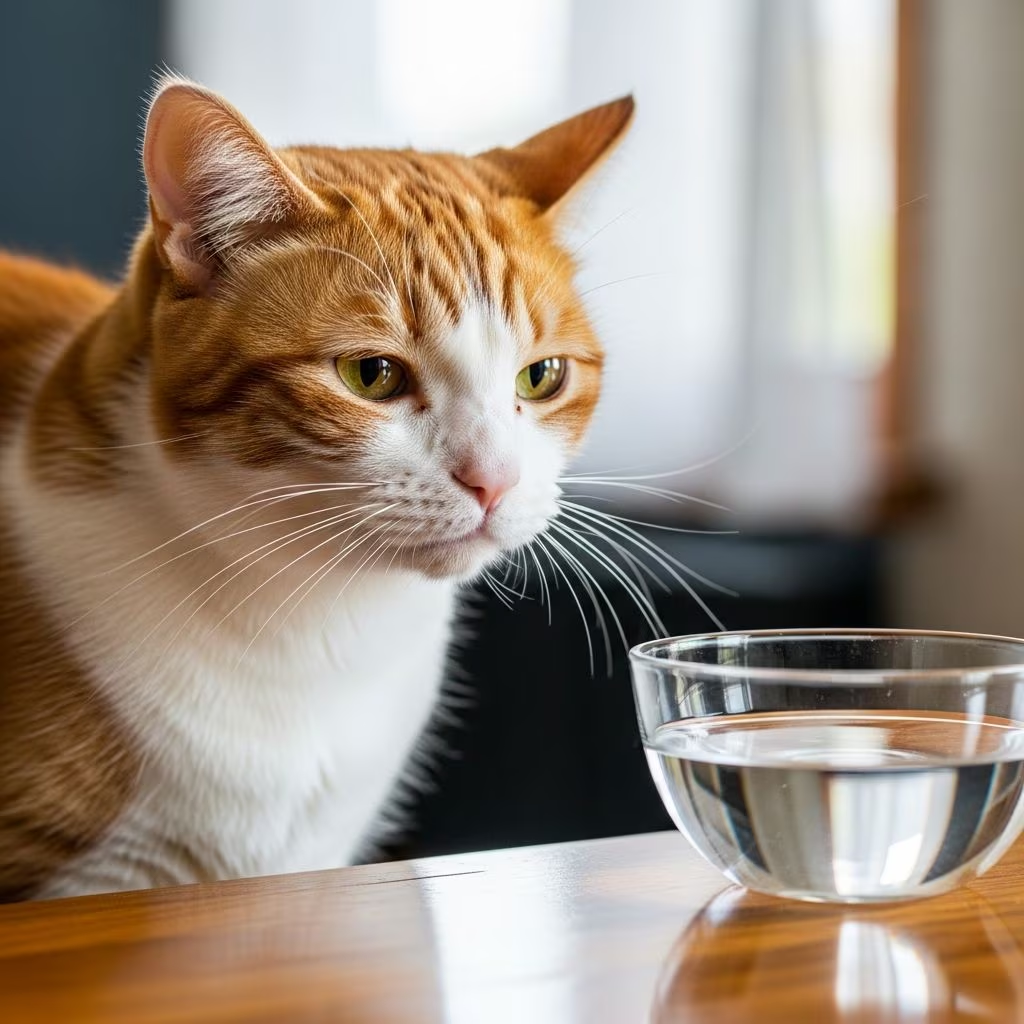
Cats often ignore their water bowls despite eating normally, leading to potential dehydration risks. Understanding the underlying reasons—from health problems to simple preferences—allows owners to implement targeted solutions for better hydration.
Recognizing Dehydration in Cats
Dehydration affects cats subtly but seriously, impacting kidney function and overall vitality. Watch for signs like dry gums, sunken eyes, lethargy, reduced skin elasticity (test by gently pinching skin on the back; it should snap back quickly), and infrequent urination. Cats fed dry food need about 3.5 ounces of water per 5 ounces of food to stay balanced, but many fall short if bowls go untouched. Early detection prevents complications like urinary issues.
Health Conditions Disrupting Thirst
Several medical issues make cats avoid water. Kidney disease, common in cats over 5 years old and the leading serious illness in seniors, alters thirst signals and causes discomfort. Dental pain from gingivitis or abscesses discourages lapping, while urinary tract infections create aversion due to associated pain. Diabetes prompts excessive thirst initially but can shift if unmanaged, and hyperthyroidism boosts metabolism, sometimes paradoxically reducing intake amid other symptoms like weight loss.
- Kidney disease: Impairs filtration, leading to toxin buildup; affects 2/3 of adult/senior cats indirectly via hydration links.
- Dental problems: Inflammation makes mouth contact painful.
- Diabetes/hyperthyroidism: Hormonal imbalances disrupt normal patterns; vet bloodwork confirms.
Schedule annual check-ups, especially for seniors, including urinalysis and blood panels. Treatments like methimazole for hyperthyroidism or insulin for diabetes restore balance.
Bowl and Environment Factors
Cats’ whisker sensitivity rejects deep or narrow bowls that brush against them. Plastic imparts off-tastes from absorbed odors; opt for stainless steel, ceramic, or glass—wide and shallow for comfort. Placement near food or litter triggers instincts to avoid, as cats separate resources evolutionarily. Noisy spots or direct sunlight stale water quickly.
| Bowl Type | Pros | Cons |
|---|---|---|
| Stainless Steel | Durable, easy-clean, neutral taste | Can clang if knocked |
| Ceramic | Stable, whisker-friendly | Breakable, heavy |
| Plastic | Cheap, lightweight | Retains bacteria/taste |
| Glass | Clean taste, visible water level | Fragile |
Humidity and temperature matter: hot weather increases needs, so add ice cubes or use fountains for circulation. Multiple stations in quiet, elevated spots encourage access in multi-level homes.
Behavioral and Instinctual Preferences
Wild ancestors drank from streams, preferring motion over still water. Domestic cats retain this, ignoring stagnant bowls. Stress from changes like new pets disrupts routines, reducing intake. Finicky personalities reject familiar sources suddenly. Observe cues: pawing at faucets signals preference for flow.
Diet’s Role in Hydration
Dry kibble, low in moisture (about 10%), demands more drinking to compensate—cats on it drink twice as much as wet-food eaters. Wet food (70-80% water) boosts intake naturally without bowl reliance. Mix diets: soak kibble or top with low-sodium broth (no onions/garlic).
- Transition gradually to wet food over 7-10 days.
- Add tuna water or bone broth sparingly for flavor.
- Monitor urine output; pale yellow indicates good hydration.
Proven Ways to Encourage Drinking
Transform hydration into play. Cat fountains mimic streams, filtering and aerating water—many cats drink 2-3 times more[10].
- Install a fountain in a calm area; clean weekly.
- Refresh water daily with filtered tap; change twice in heat.
- Scatter bowls: one per cat plus one extra, varied heights.
- Flavor boosts: dilute chicken broth or ice cubes for bobbing fun.
- Humidifiers in dry climates ease thirst.
Track intake: measure daily (aim 1/2 cup per 10lbs body weight beyond food moisture). Apps or journals help spot trends.
When to Call the Vet
Sudden refusal with vomiting, diarrhea, appetite loss, or potbelly warrants immediate care—could signal acute kidney failure or blockage. Even without symptoms, persistent avoidance needs evaluation; measure output and note changes. Vets may recommend fluids or diagnostics.
Long-Term Hydration Strategies
Build habits early: kittens learn from accessible, appealing sources. Annual senior screens catch issues proactively. Combine wet/dry for nutrition-hydration balance. Fountains reduce waste, appealing to instincts long-term[10].
Frequently Asked Questions
Why does my cat drink from the sink but not the bowl?
Cats favor running water for freshness and purity perception; bowls stagnate quickly. Install a fountain to replicate.
Is it okay if my cat eats wet food and skips water?
Wet food helps, but free water access prevents shortfalls—cats still need extra for play, grooming.
How much water should my cat drink daily?
Approximately 50-100ml per kg body weight, varying by diet/activity; monitor via litter frequency.
Can stress cause water avoidance?
Yes, anxiety alters routines; pheromone diffusers and stable environments aid recovery.
What if my cat suddenly stops drinking?
Emergency vet visit—dehydration sets in fast, risking organ strain.
Consistent tweaks yield hydrated, happy cats. Prioritize fresh options and vet input for tailored success.
References
- Solving the Drinking Dilemma: Why Your Cat Won’t Hydrate — PetCareRx. 2023. https://www.petcarerx.com/article/solving-the-drinking-dilemma-why-your-cat-wont-hydrate/7019
- Why Is My Cat Drinking So Much Water – Common Reasons — Revelvet. 2024. https://revelvet.com/blog/why-is-my-cat-drinking-so-much-water/
- My Cat Won’t Drink Water But Still Eats? — Cheyenne Pets. 2023. https://cheyennepets.com/blog/my-cat-wont-drink-water-but-still-eats/
- Why Is My Cat Drinking a Lot of Water? — PetMD. 2024-01-15. https://www.petmd.com/cat/symptoms/why-my-cat-drinking-lot-water
- Cat Hydration — Sure Petcare. 2021-03-30. https://www.surepetcare.com/en-us/advice-news/cat-care/cat-hydration
- Cat Drinking More Than Usual: Causes, Concerns, and Solutions — UAH Pet. 2024. https://www.uahpet.com/blogs/post/cat-drinking-more-than-usual-causes-concerns-and-solutions



