

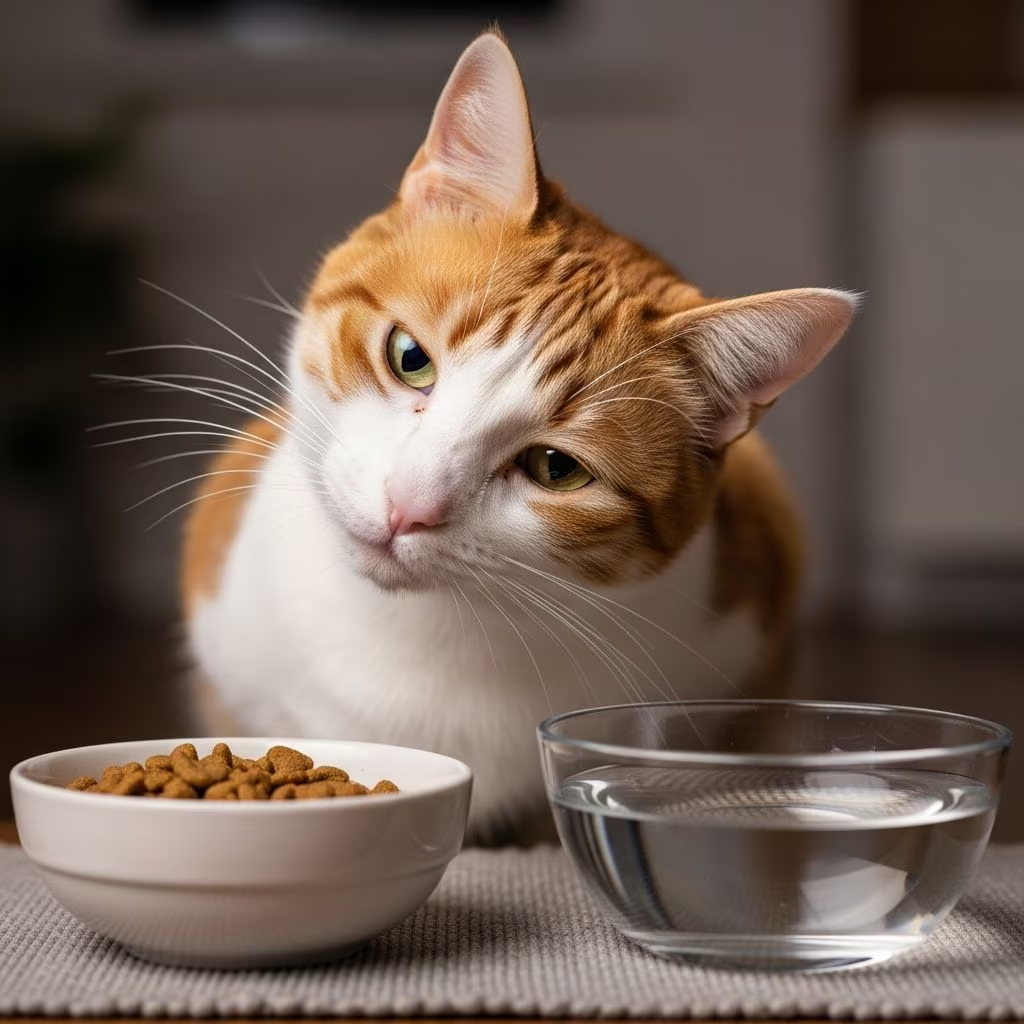
Cats that suddenly stop eating or drinking face serious health threats, including rapid dehydration and life-threatening liver conditions. Prompt action is essential to identify underlying issues and restore normal behavior.
Recognizing the Red Flags in Feline Appetite Loss
A healthy cat maintains consistent eating and drinking patterns, often consuming multiple small meals daily. Any deviation, especially lasting beyond 24 hours, demands attention. Key indicators include untouched food bowls, reduced water intake, and accompanying signs like lethargy or hiding.
- **Duration matters**: A one-day fast might stem from minor upset, but persistence signals deeper problems.
- **Behavioral clues**: Watch for vomiting, diarrhea, excessive grooming, or aggression near food areas.
- **Physical signs**: Sunken eyes, dry gums, or tented skin point to dehydration.
Owners often overlook subtle shifts, mistaking them for pickiness, but veterinary sources emphasize that felines hide illness well, making early detection critical.
Primary Medical Triggers Behind Refusal to Eat or Drink
Numerous conditions disrupt a cat’s willingness to consume food or water. Understanding these helps prioritize veterinary visits.
Oral Health Problems Causing Painful Eating
Dental issues top the list, with gingivitis, broken teeth, or abscesses making chewing agony. Cats may drool, paw at their mouth, or exhibit foul breath. These problems affect up to 70% of cats over age three, per veterinary reports.
Respiratory and Sinus Challenges
Upper respiratory infections impair smell, a cat’s primary hunger cue. Congestion, sneezing, and nasal discharge lead to disinterest in meals. Bacterial or viral origins often require antibiotics or supportive care.
Systemic Diseases Impacting Digestion and Thirst
Kidney disease, common in seniors, causes nausea and increased thirst paradoxically paired with appetite loss. Hyperthyroidism accelerates metabolism but suppresses hunger. Diabetes similarly alters intake patterns, with excessive urination as a hallmark.
| Condition | Symptoms | Age Group Affected |
|---|---|---|
| Kidney Disease | Excessive thirst/urination, nausea | Seniors (7+ years) |
| Hyperthyroidism | Weight loss despite eating, hyperactivity | Middle-aged/adult |
| Diabetes | Increased drinking/peeing, lethargy | All ages, obese prone |
Environmental and Behavioral Factors at Play
Not all cases are medical; stress from new pets, moves, or routine changes can trigger temporary refusal. Food transitions without gradual mixing provoke pickiness. Recent boarding or owner absences heighten anxiety, reducing intake.
- **Stress indicators**: Hiding, vocalizing more, or litter box avoidance.
- **Dietary shifts**: Abrupt flavor or texture changes upset sensitive stomachs.
While behavioral, prolonged episodes warrant ruling out health issues first.
The Hidden Dangers of Prolonged Fasting in Cats
Cats differ from dogs; their livers struggle with fat processing during starvation. Hepatic lipidosis, or fatty liver disease, emerges after just 2-3 days without food, especially in overweight individuals. Fat mobilizes to the liver, impairing function and causing jaundice, seizures, or coma if untreated.
Dehydration compounds risks, as cats derive 70-80% of hydration from wet food. Reduced intake leads to concentrated urine, kidney strain, and organ shutdown.
Immediate Home Strategies to Encourage Intake
While awaiting vet care, try these evidence-based tactics:
- Warm food slightly to enhance aroma, mimicking body temperature.
- Offer highly palatable options like tuna water-drenched kibble or baby food (meat-only varieties).
- Hand-feed small amounts in a quiet space to reduce stress.
- Provide multiple fresh water sources, including fountains to entice drinking.
Syrupy treats like Nutri-Cal offer caloric support but aren’t meal substitutes. Monitor urine output and gum moisture hourly.
When to Rush to the Vet: Emergency Thresholds
Contact a professional immediately if refusal exceeds 24 hours, or sooner with these:
- Vomiting/diarrhea persisting over 12 hours.
- Lethargy, weakness, or collapse.
- Signs of pain like hunched posture or yelping.
- No urination in 24 hours or bloody urine.
Vets may administer fluids, anti-nausea meds, or appetite stimulants like mirtazapine. Diagnostics include bloodwork, X-rays, or ultrasounds to pinpoint causes.
Diagnostic Approaches and Treatment Options
Exams start with physical assessments for pain or dehydration. Blood panels reveal organ function, infections, or electrolyte imbalances. Parasite checks via fecal analysis address worms causing gut upset.
Treatments vary: Antibiotics for infections, dental cleanings under anesthesia, or hospitalization with feeding tubes for lipidosis. Chronic cases like kidney disease involve lifelong diets and meds.
Preventive Measures for Long-Term Feline Wellness
Proactive care minimizes risks:
- Annual vet check-ups with dental screenings.
- Balanced diet suited to age/weight, introduced gradually.
- Stress reduction via pheromone diffusers or consistent routines.
- Parasite preventives year-round.
Track weight monthly and note intake patterns for early alerts.
Frequently Asked Questions About Cats Not Eating or Drinking
How long can a cat go without eating before it’s dangerous?
Typically 24-48 hours; beyond this, hepatic lipidosis risks soar, necessitating urgent care.
Is it okay to force-feed my cat?
Avoid without vet guidance; it can cause aspiration pneumonia. Opt for enticements first.
What if my cat is drinking but not eating?
Still concerning, as hydration alone doesn’t provide calories. Monitor for kidney issues.
Can hairballs cause complete refusal?
Yes, they induce nausea; laxatives help, but vet evaluation rules out blockages.
Does age affect recovery chances?
Seniors face higher complication risks due to comorbidities, but early intervention improves outcomes.
Holistic Support and Nutritional Recovery Plans
Post-treatment, transition with bland diets like boiled chicken/rice, progressing to prescription formulas. Probiotics aid gut recovery from infections or parasites. Omega-3 supplements reduce inflammation in chronic cases.
Owners report success with puzzle feeders to rebuild interest gradually, combining mental stimulation with meals.
Case Insights: Real-World Recovery Stories
Many cats rebound fully with timely intervention. A young adult with dental abscess ate voraciously post-extraction. An obese senior overcame lipidosis via tube feeding and diet overhaul, regaining vitality.
These underscore: Observation plus action saves lives.
References
- Anorexia in Cats — VCA Animal Hospitals. 2023-05-15. https://vcahospitals.com/know-your-pet/anorexia-in-cats
- 6 Reasons Why Your Cat Is Not Eating and What To Do — PetMD. 2024-02-20. https://www.petmd.com/cat/nutrition/cat-not-eating-what-to-do
- Why Is My Cat Not Eating or Drinking? — Bond Vet. 2023-11-10. https://bondvet.com/blog/why-is-my-cat-not-eating-or-drinking
- Cat Not Eating? Urgent Signs and When to Seek Care — Garden State Veterinary Specialists. 2024-01-05. https://www.gsvs.org/eatontown-nj/blog/cat-not-eating-emergency/
- Why Your Cat Stopped Eating Or Drinking — Brook Farm Veterinary Center. 2023-08-12. https://brookfarmveterinarycenter.com/blog/cat-stop-eating/



