

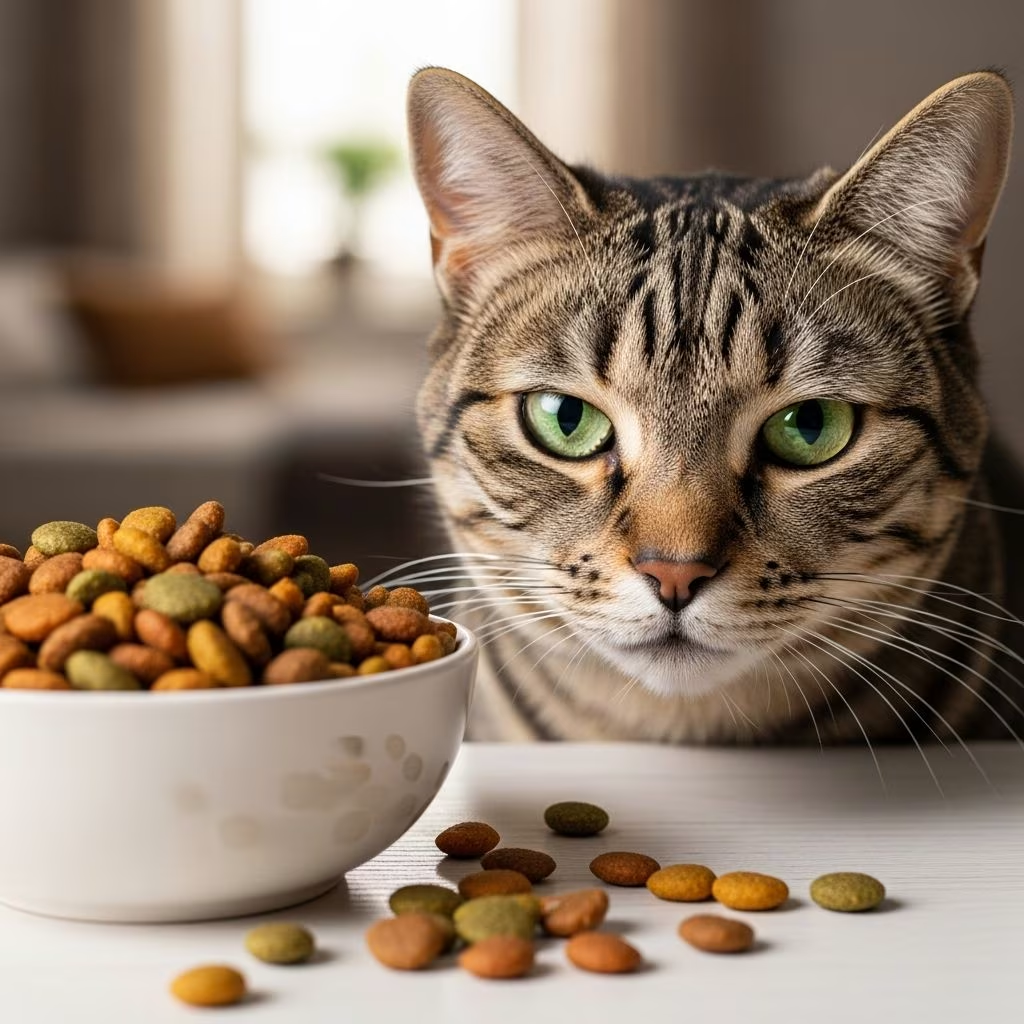
Feline feeding challenges represent one of the most common frustrations cat owners encounter. When your beloved pet turns away from their dry food bowl, it can create anxiety about whether they’re receiving adequate nutrition. Understanding the underlying reasons for this behavior and implementing targeted solutions can help restore healthy eating patterns and ensure your cat maintains proper nutritional intake.
The Nutritional Foundation: Understanding Dry Food for Cats
Dry cat food, commonly referred to as kibble, serves as a practical dietary component for many household felines. Before addressing refusal behavior, it’s valuable to recognize what kibble offers nutritionally and why many veterinarians recommend including it in a cat’s diet regimen.
Nutritional composition and formulation: Commercial dry food undergoes careful formulation to meet feline nutritional requirements. These products typically contain balanced ratios of animal proteins, essential fatty acids, vitamins, and minerals designed to support muscle maintenance, immune function, and coat health. The concentrated nature of kibble means cats receive significant nutritional benefit from smaller portion sizes compared to wet food alternatives.
Practical advantages for pet owners: Dry food offers convenience factors that appeal to modern cat guardians. Unlike wet food, kibble remains shelf-stable when left exposed, enabling free-feeding options for busy households. The extended storage life reduces shopping frequency and waste concerns. Additionally, the controlled caloric density of kibble facilitates weight management through precise portion monitoring, making it an ideal choice for cats requiring weight reduction.
Dental health considerations: The mechanical action of chewing kibble provides mild abrasive benefits that may help reduce tartar accumulation on teeth. While not a substitute for professional dental care, this passive cleaning action offers supplementary oral health support.
Identifying Why Your Feline Companion Refuses Kibble
Cat food rejection rarely stems from a single cause. Identifying the specific reason your cat avoids dry food enables targeted interventions rather than trial-and-error approaches.
Sensory Preferences and Early Feeding History
Cats develop food preferences during their earliest weeks of life, creating lasting dietary patterns. A kitten raised primarily on wet food develops different taste and texture expectations than one introduced to kibble early. The aromatic qualities of wet food differ substantially from dry kibble—wet food releases volatile compounds that stimulate feline olfactory systems more intensely. Since cats rely heavily on smell rather than taste for food selection, the subtle aroma of kibble may seem unappealing compared to the robust odor profile of canned alternatives.
Additionally, kibble’s crunchy, hard texture contrasts sharply with the soft consistency of wet food. Some cats find the increased chewing effort required for kibble uncomfortable or undesirable, particularly if they’ve never adapted to this texture.
Dental and Oral Health Complications
Dental disease represents a frequently overlooked cause of kibble refusal in cats. Conditions affecting the oral cavity can make chewing painful or impossible:
- Tooth resorption (where the body breaks down tooth structure)
- Gum inflammation and periodontal disease
- Oral infections and absscesses
- Fractured or loose teeth
- Stomatitis (mouth inflammation)
Cats experiencing oral discomfort often demonstrate selective eating patterns—they may accept wet food while avoiding kibble, or show preference for eating on one side of their mouth. Additional signs include excessive drooling, discolored saliva, or visible food dropping during meals. These symptoms warrant immediate veterinary evaluation.
Environmental and Behavioral Stress Factors
Cats are creatures of routine who respond sensitively to environmental disruptions. Changes in feeding location, alterations to their daily schedule, or modifications to their living space can trigger appetite suppression. Stress-induced anorexia represents a genuine physiological response, not simple behavioral stubbornness.
Factors contributing to feeding-related stress include:
- New household members (human or animal)
- Changes in feeding bowl location or type
- Inconsistent meal timing
- Loud noises or environmental chaos near the feeding area
- Competition from other pets during meals
- Recent moves or home renovations
Creating a calm, predictable feeding environment reduces stress-related appetite loss and encourages more consistent eating behaviors.
Food Quality and Palatability Issues
Cats possess surprisingly discerning food sensibilities. Stale or rancid kibble becomes unpalatable and potentially unsafe. Dry food exposed to air for extended periods loses volatile aromatic compounds that make it appealing to felines. Most dry foods begin deteriorating within one month of package opening.
Recipe changes or ingredient modifications can also trigger refusal. Cats notice subtle shifts in flavor profiles or ingredient composition and may reject food they previously accepted. If your cat suddenly refuses kibble they previously ate regularly, check the package for reformulations or ingredient changes.
Feeding Bowl Challenges
The feeding vessel itself can influence eating behavior. Cats typically prefer wide, shallow bowls that prevent their sensitive whiskers from brushing against bowl edges during eating. Material composition matters as well—some cats are sensitive to plastic odors or materials that retain food residue or chemical cleaning compounds.
Additionally, having insufficient bowls in multi-cat households creates feeding competition and stress. Feline nutrition experts generally recommend one bowl per cat plus one additional bowl, positioned in separate locations.
Strategic Approaches to Encourage Kibble Consumption
The Gradual Transition Method
Abrupt dietary changes provoke rejection and digestive upset. A gradual introduction approach respects your cat’s adjustment needs while establishing new eating habits. This method works whether transitioning from wet to dry food or changing kibble brands:
Week one: Mix 25% new kibble with 75% current food
Week two: Adjust ratio to 50% kibble and 50% current food
Week three: Increase to 75% new kibble with 25% original food
Week four: Transition to 100% new kibble
Some cats require extended timelines spanning 4-6 weeks. Patience during this process prevents appetite loss and digestive disruption.
Enhancing Kibble Appeal Through Moisture and Aroma
Adding moisture makes kibble more aromatic and appetizing. Several approaches accomplish this goal:
- Warm water addition: Pour slightly warm (not hot) water over kibble 5-10 minutes before serving, allowing absorption
- Low-sodium broth: Substitute water with cat-safe, low-sodium chicken or beef broth for enhanced aroma
- Wet food topping: Mix small portions of wet food into dry kibble for flavor enhancement
- Gradual drying: Initially serve softened kibble, then progressively reduce added moisture over weeks as your cat adapts
Warming wet food additions to room temperature or slightly warmer increases volatile aromatic compounds that attract feline interest. This multisensory approach appeals to cats’ olfactory-driven eating preferences.
Optimizing the Feeding Environment
Environmental modifications significantly impact eating behavior:
| Environmental Factor | Optimization Strategy |
|---|---|
| Feeding Schedule | Establish consistent meal times daily; cats thrive on predictable routines |
| Bowl Location | Position bowls away from litter areas and household traffic; ensure quiet, accessible space |
| Bowl Type | Use wide, shallow ceramic or stainless steel bowls; ensure easy cleaning |
| Feeding Duration | Leave food available for 20-30 minutes; remove uneaten portions to maintain freshness |
| Household Dynamics | Feed cats separately if multi-cat household to reduce competition stress |
Offering Varied Kibble Formats
Different kibble shapes, sizes, and textures appeal to individual feline preferences. Experimenting with various formats helps identify your cat’s ideal choice:
- Small versus large kibble pieces
- Spherical versus triangular shapes
- Soft-baked versus traditional hard kibble
- Single-protein versus multi-protein formulas
Cats sometimes demonstrate surprising preferences for specific kibble configurations. Trial and observation can reveal your individual cat’s ideal format.
When Professional Veterinary Guidance Becomes Necessary
While many cases of kibble refusal respond to environmental and dietary modifications, certain situations require professional evaluation:
- Complete food refusal lasting more than 24 hours
- Progressive weight loss despite available food
- Accompanying symptoms like lethargy, vomiting, or diarrhea
- Excessive drooling or visible mouth discomfort
- Changes in behavior suggesting pain or illness
- Refusal persisting beyond 2-3 weeks of intervention attempts
- Signs of dehydration including sunken eyes or reduced skin elasticity
Veterinary professionals can identify underlying health conditions like dental disease, gastrointestinal issues, or systemic illness that manifest as appetite loss. Diagnostic testing may reveal problems not apparent through observation alone.
Practical Implementation Timeline for Success
Implementing these strategies requires patience and consistent effort. A realistic timeline acknowledges individual variation among cats:
Days 1-3: Assess current eating patterns and environmental factors; implement environmental modifications and establish consistent feeding schedule
Days 4-14: Begin gradual kibble introduction with moisture enhancement; monitor for positive response and adjust approach as needed
Weeks 3-4: Continue gradual transition while evaluating progress; consider alternative kibble formats if resistance persists
Weeks 5+: Evaluate overall success and consult veterinarian if no improvement occurs
Frequently Asked Questions About Cat Kibble Refusal
Can cats survive on wet food exclusively?
While cats can maintain health on wet food alone, kibble offers nutritional, practical, and dental benefits that support overall wellbeing. Many nutritionists recommend incorporating both food types for optimal outcomes.
How long can a cat safely go without eating?
Cats should not go more than 24-48 hours without food intake. Prolonged anorexia can trigger hepatic lipidosis (fatty liver disease), a serious condition requiring immediate veterinary intervention.
Should I worry if my cat only eats treats and refuses meals?
Selective eating of treats while refusing kibble suggests behavioral or preferential issues rather than genuine anorexia. However, treats alone cannot provide complete nutrition. Consultation with a veterinarian ensures your cat receives adequate dietary variety.
What’s the difference between picky eating and illness-related anorexia?
Picky eaters often accept specific food types while showing interest in other foods and normal behavior. Illness-related anorexia typically involves complete food refusal accompanied by behavioral changes, lethargy, or physical symptoms.
Can changing kibble brands improve acceptance?
Yes, different brands and formulas have varying aromatic profiles and ingredient compositions. If your cat rejects current kibble after extended refusal, switching brands with gradual transition may prove successful.
References
- Addressing Concerns When a Cat Refuses Dry Food — Under the Weather Pet. Accessed January 2026. https://www.undertheweatherpet.com/blogs/under-the-weather/dry-food-dilemma-addressing-concerns-when-a-cat-refuses-dry-food
- Cat Won’t Eat Dry Food? When To Worry — Cats.com. Accessed January 2026. https://cats.com/cat-wont-eat-dry-food
- 6 Reasons Why Your Cat Is Not Eating and What To Do — PetMD. Accessed January 2026. https://www.petmd.com/cat/nutrition/cat-not-eating-what-to-do
- My Cat Is Not Eating – How to Feed a Fussy Cat — Purina UK. Accessed January 2026. https://www.purina.co.uk/articles/cats/feeding/guides/how-to-feed-a-fussy-cat
- Cat Refusing to Eat: Common Causes and Quick Solutions — Pooler Veterinary Hospital. Accessed January 2026. https://poolervet.com/cat-refusing-to-eat-causes-and-quick-solutions/
- Cat Not Eating Causes, Remedies, and Warning Signs — Paumanok Veterinary Hospital. Accessed January 2026. https://www.paumanokvethospital.com/cat-not-eating-causes-remedies/
- Stress and Anxiety Can Lead to Cat’s Refusal of Food — Veg Community. Accessed January 2026. https://www.veg.com/post/my-cats-not-eating-much-but-is-acting-normal-whats-going-on



