
Cat Recovery After Surgery Guide
Expert strategies to support your cat's healing journey post-surgery with comfort, monitoring, and proactive care.
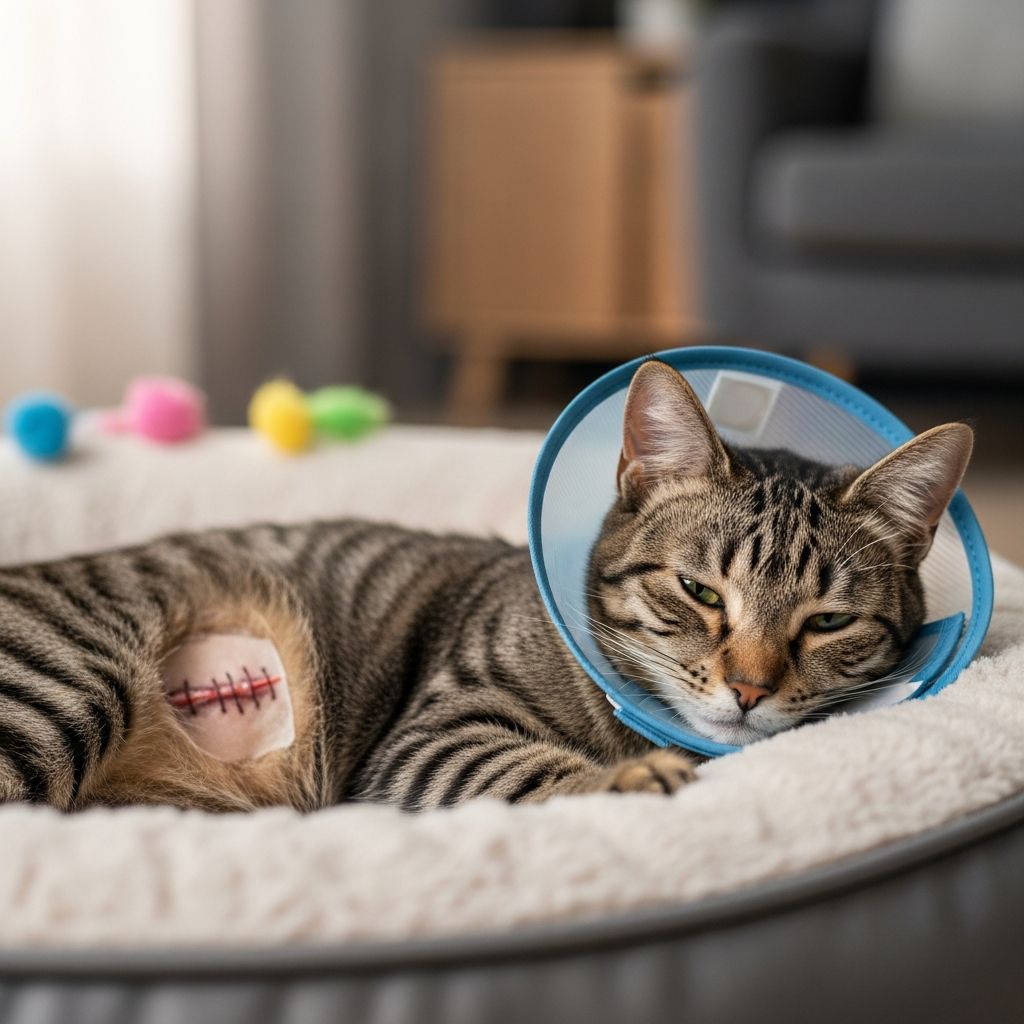
Your cat’s surgery is complete, but the healing process begins now. Proper post-operative care ensures a smooth recovery, minimizes complications, and helps your feline friend return to normalcy quickly. This guide details essential steps from creating an ideal environment to spotting trouble early.
Setting Up the Perfect Recovery Zone
The first priority after bringing your cat home is establishing a dedicated recovery area. Cats need a stress-free space to rest undisturbed, promoting faster tissue repair and reducing strain on surgical sites.
- Quiet Location: Select a low-traffic room like a spare bedroom or bathroom, away from other pets, children, and household noise to prevent startling movements.
- Comfort Essentials: Provide soft bedding, such as a thick blanket or pet bed, in a draft-free spot with temperatures between 686F 6756F (206C 6246C). A low-entry design aids mobility if mobility is limited.
- Accessibility Features: Place food, water, and litter nearby to minimize walking. Use shallow litter trays with non-stick litter like paper pellets to avoid wound contamination.
Keep your cat indoors exclusively during initial recovery, typically 7 614 days, to shield from external risks.
Mastering Pain Management and Medications
Pain control is crucial as it encourages eating, movement, and overall well-being. Untreated discomfort can delay healing and lead to behavioral changes.
Administer all prescribed medications precisely as directed, using pill pockets or timers for consistency. Common options include:
| Medication Type | Purpose | Administration Tips |
|---|---|---|
| NSAIDs or Gabapentin | Pain relief | Follow vet dosage; monitor for side effects like vomiting |
| Antibiotics | Infection prevention | Complete full course, even if symptoms improve |
| Anti-anxiety (e.g., Trazodone) | Stress reduction | Use during high-anxiety periods like cone-wearing |
Observe for pain signs: hiding, aggression, limping, or rapid breathing. Contact your vet if pain persists despite meds.
Nutrition and Hydration Strategies
Post-surgery appetite often dips due to anesthesia, but nutrition fuels recovery. Dehydration exacerbates issues, so prioritize fluids.
- Small, Frequent Meals: Offer normal food in tiny portions initially. Warm it slightly or add plain cooked chicken/fish to entice eating.
- Hydration Boosts: Fresh water always available; try ice cubes or broth. Consider vet-recommended gels like Hydra Care for stubborn cases.
- Recovery Diets: High-calorie options such as Hills a/d or Royal Canin Recovery support healing without overfilling stomachs. Consult your vet pre-surgery for tailored plans.
Aim for gradual return to regular diet over days, watching for nausea or refusal.
Protecting the Surgical Site
Wounds heal in 7 610 days, but cats’ grooming instincts threaten this. Prevention averts infections and dehiscence.
Essential protections:
- E-Collar or Alternatives: Use cones, inflatable collars, or recovery suits to block licking/scratching. Introduce gradually to reduce stress.
- Wound Checks: Inspect twice daily for redness, swelling, discharge, or odor. Clean gently with saline if advised; no baths.
- Litter Adjustments: Pellet or paper litters prevent granules from sticking to incisions.
If stitches are present, suture removal occurs at follow-ups, typically 10 614 days post-op.
Activity Restrictions and Mobility Aids
Restrict jumping, running, and play to protect internal and external sutures. Overactivity risks reopening wounds or internal damage.
- Confinement Duration: 7 610 days minimum for most surgeries; longer for orthopedics. Use crates or playpens for multi-cat homes.
- Supervised Interaction: Gentle petting only; no roughhousing. Gradually increase freedom as vet approves.
- Mobility Support: Ramps for furniture if needed, especially post-abdominal procedures.
For feral/community cats post-TNR, recovery in traps for 12 648 hours suffices before monitored release.
Daily Monitoring Routines
Vigilance catches issues early. Track vitals and behaviors systematically.
| Monitor For | Normal Range/Behavior | Warning Signs 6 Call Vet |
|---|---|---|
| Temperature | 100.56F 6102.56F | Below 996F or above 1036F |
| Appetite | Eating within 24 648 hrs | No food >48 hrs, persistent vomiting |
| Wound | Dry, mild swelling | Pus, excessive redness, opening |
| Behavior | Resting, grooming lightly | Lethargy, hiding, aggression |
Log observations in a journal for vet discussions.
When to Seek Emergency Help
Not all recoveries are linear. Act fast on red flags:
- Immediate Concerns: Heavy bleeding, breathing distress, pale gums, seizures, or collapse.
- Within Hours: Non-stop vomiting/diarrhea, refusal of water >24 hours, wound breakdown.
- Soon: Swelling increase, fever, limping worsening.
Err on caution; better a false alarm than complication.
Follow-Up Visits and Long-Term Care
Attend all scheduled checkups for stitch removal, progress reviews, and adjustments. These ensure hidden issues like seromas are addressed.
Post-recovery, ease into routines: short play sessions first, full freedom after vet clearance. Maintain annual wellness for ongoing health.
Frequently Asked Questions (FAQs)
How long does cat surgery recovery take?
Typically 7 614 days for incisions to heal, but full recovery varies by procedure: 1 62 weeks for spays, longer for fractures.
Can my cat sleep with me after surgery?
Not initially; keep in recovery area to limit jumping and monitor closely. Reintroduce once activity restrictions lift.
What if my cat hates the cone?
Try fabric alternatives, inflatable collars, or suits. Acclimate with treats; meds can ease anxiety.
Is it normal for my cat not to eat after surgery?
Yes, for 24 648 hours. Use enticing foods; if longer, vet intervention needed to prevent hepatic lipidosis.
When can my cat go outside post-surgery?
Indoor only for 2 weeks minimum; consult vet based on healing.
References
- Essential Tips for Helping Your Cat Recover After Surgery 6 Parker Animal Care. 2023. https://www.parkeranimalcare.com/how-to-help-your-cat-recover-after-surgery/
- How to Care for Your Cat After an Operation 6 Cats Protection. 2024. https://www.cats.org.uk/help-and-advice/health/caring-for-your-cat-after-an-operation
- Post-Operative Instructions in Cats 6 VCA Animal Hospitals. 2024. https://vcahospitals.com/know-your-pet/post-operative-instructions-in-cats
- Cat Surgery Aftercare FAQs 6 PetMD. 2024. https://www.petmd.com/cat/cat-surgery-aftercare-faqs
- Post-Surgery Care 6 Alley Cat Allies. 2023. https://www.alleycat.org/community-cat-care/post-surgery-care/
Similar Articles








Read full bio of Sneha Tete




