

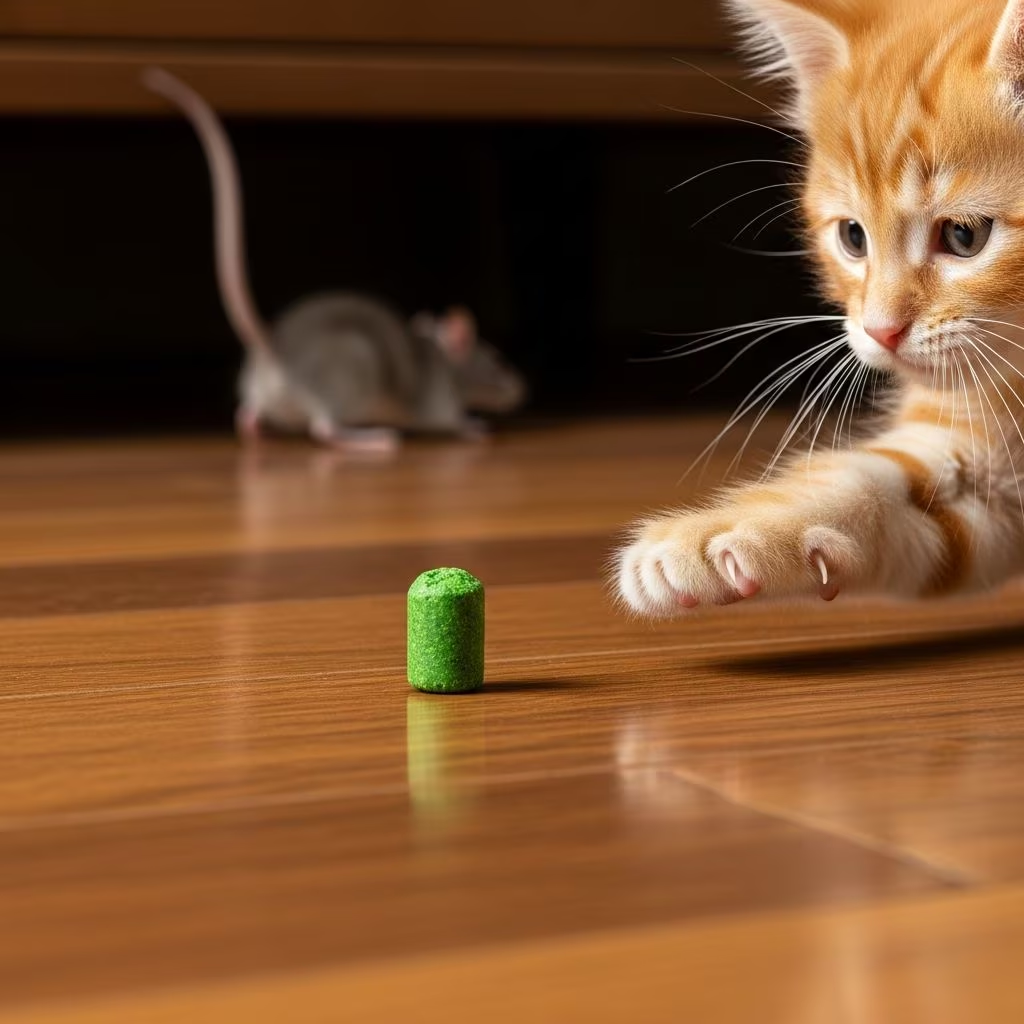
Rat poisons, also known as rodenticides, pose a severe threat to cats due to their curious nature and hunting instincts. These chemicals, designed to kill rodents, can lead to fatal outcomes if ingested by pets, either directly or through poisoned prey. Understanding the risks, identifying early signs, and knowing response protocols can make the difference between life and death for your cat.
Why Cats Encounter Rat Poison
Cats often come into contact with rat poison in homes, garages, or yards where pest control products are used. Indoor-outdoor cats may hunt rodents that have consumed bait, leading to secondary poisoning. Direct ingestion happens when cats chew on bait blocks or pellets mistaken for food or toys. Certain formulations, like those with appealing flavors or colors, increase attraction. Statistics from veterinary sources indicate thousands of cases annually, emphasizing the need for pet owners to secure these products.
Types of Rat Poisons and Their Effects on Cats
Rat poisons vary in composition, each targeting different bodily systems with unique symptoms and treatments. Here’s a breakdown:
- Anticoagulants (e.g., brodifacoum, warfarin): These disrupt blood clotting by depleting vitamin K, causing internal bleeding after a delay of 3-7 days.
- Cholecalciferol (Vitamin D3): Triggers hypercalcemia, leading to kidney failure through excessive calcium buildup.
- Bromethalin: A neurotoxin that causes brain swelling, resulting in paralysis and seizures, with symptoms appearing in hours to days.
- Zinc/Thallium Phosphides: React with stomach acid to produce toxic phosphine gas, causing rapid organ damage and vomiting.
| Type | Onset Time | Primary Target |
|---|---|---|
| Anticoagulants | 3-7 days | Blood clotting |
| Vitamin D3 | 1-3 days | Kidneys/Calcium |
| Bromethalin | 2 hours-7 days | Brain/Nervous system |
| Phosphides | 15 min-18 hours | Stomach/Lungs |
Recognizing Symptoms of Rodenticide Exposure
Symptoms depend on the poison type but often start subtly. For anticoagulants, watch for pale gums, weakness, bloody vomit resembling coffee grounds, black tarry stools, bruising, labored breathing, or blood in urine. Vitamin D3 exposure shows excessive thirst, urination, vomiting, weakness, and kidney issues. Bromethalin leads to uncoordination, tremors, paralysis, seizures, and coma. Phosphides cause immediate severe vomiting, abdominal pain, breathing difficulties, and collapse.
Less common signs include swollen joints, distended abdomen, coughing blood, or neurological issues like aimless running. Any combination of lethargy, pale gums, rapid breathing, or bleeding warrants immediate concern.
Immediate Steps If Exposure Is Suspected
Do not wait for symptoms—act fast. Prevent further ingestion by isolating the cat from potential sources. Never induce vomiting at home, as it risks aspiration or worsening toxicity, especially with phosphides. Contact a veterinarian or pet poison hotline immediately. Provide details like poison type, amount, and time of exposure. If within 30-90 minutes, vets may induce vomiting safely under supervision.
- Secure the cat in a quiet, dark area to reduce stress.
- Note any symptoms and exposure history for the vet.
- Avoid home remedies like hydrogen peroxide, which can cause stomach rupture.
Veterinary Diagnosis and Treatment Protocols
Diagnosis involves history, physical exams, blood tests (clotting times, calcium levels, kidney function), and sometimes imaging or toxin identification. Treatments are toxin-specific:
Anticoagulants: Vitamin K1 therapy for 30 days or more, plasma transfusions for severe bleeding, and monitoring.
Vitamin D3: IV fluids to flush kidneys, medications to lower calcium, hospitalization up to a week.
Bromethalin: No antidote; use activated charcoal, IV lipids, muscle relaxants, anti-seizure drugs, diuretics for swelling.
Phosphides: Withhold food, induce vomiting if early, antacids, IV fluids; monitor for 18+ hours.
Supportive care like IV fluids, oxygen, and blood transfusions is universal. Multiple activated charcoal doses bind toxins. Prognosis improves with early intervention; delays can lead to organ failure or death.
Prevention Strategies for Cat Owners
Proactive measures minimize risks:
- Use tamper-proof bait stations inaccessible to pets.
- Opt for snap traps or electronic traps over poisons.
- Store rodenticides in locked cabinets.
- Supervise outdoor cats and discourage hunting poisoned prey.
- Regular pest inspections to eliminate need for poisons.
For multi-pet homes, consider natural deterrents like peppermint oil or professional extermination services.
Recovery and Long-Term Monitoring
Post-treatment, cats need follow-up bloodwork to ensure toxin clearance. Anticoagulant cases require vitamin K1 until clotting normalizes. Watch for relapse signs like renewed bleeding. Nutritional support aids recovery, but avoid OTC vitamin K—only prescription works. Full recovery can take weeks, with some cats needing dietary changes for kidney health.
FAQs on Cat Rodenticide Poisoning
Q: How quickly do symptoms appear after a cat eats rat poison?
A: Varies by type—anticoagulants take days, phosphides act in minutes.
Q: Can cats get poisoned from eating a poisoned mouse?
A: Yes, secondary poisoning is common via tainted prey.
Q: Is there a home antidote for rat poison in cats?
A: No—always seek professional veterinary care immediately.
Q: What if my cat seems fine after possible exposure?
A: Symptoms can delay; get veterinary assessment anyway.
Q: How can I identify the type of rat poison?
A: Check packaging for active ingredients like brodifacoum or bromethalin.
Key Takeaways for Pet Safety
Rat poison remains a top poisoning risk for cats. Swift recognition and action save lives. Educate household members on safe pest control. By prioritizing prevention and preparedness, you safeguard your cat’s health effectively.
References
- How To Tell If Your Cat Ate Rat Poison — Automatic Trap Company. 2023. https://www.automatictrap.com/blogs/rats-trapping-tips/how-to-tell-if-your-cat-ate-rat-poison
- Rat poison intoxication in cats — Joii Pet Care. 2024. https://www.joiipetcare.com/blogs/poisons/rat-poison-intoxication-in-cats
- Rat Bait Poisoning (Rodenticide Toxicosis) in Cats — Vetster. 2024. https://vetster.com/en/conditions/cat/rat-bait-poisoning-in-cats
- Rat Poisoning in Cats — PetMD. 2024. https://www.petmd.com/cat/poisoning/rat-poisoning-cats
- Anticoagulant Rodenticide Poisoning in Cats — VCA Animal Hospitals. 2023. https://vcahospitals.com/know-your-pet/rodenticide-warfarin-poisoning-in-cats
- Rodenticide Poisoning — Merck Veterinary Manual. 2024. https://www.merckvetmanual.com/special-pet-topics/poisoning/rodenticide-poisoning



