

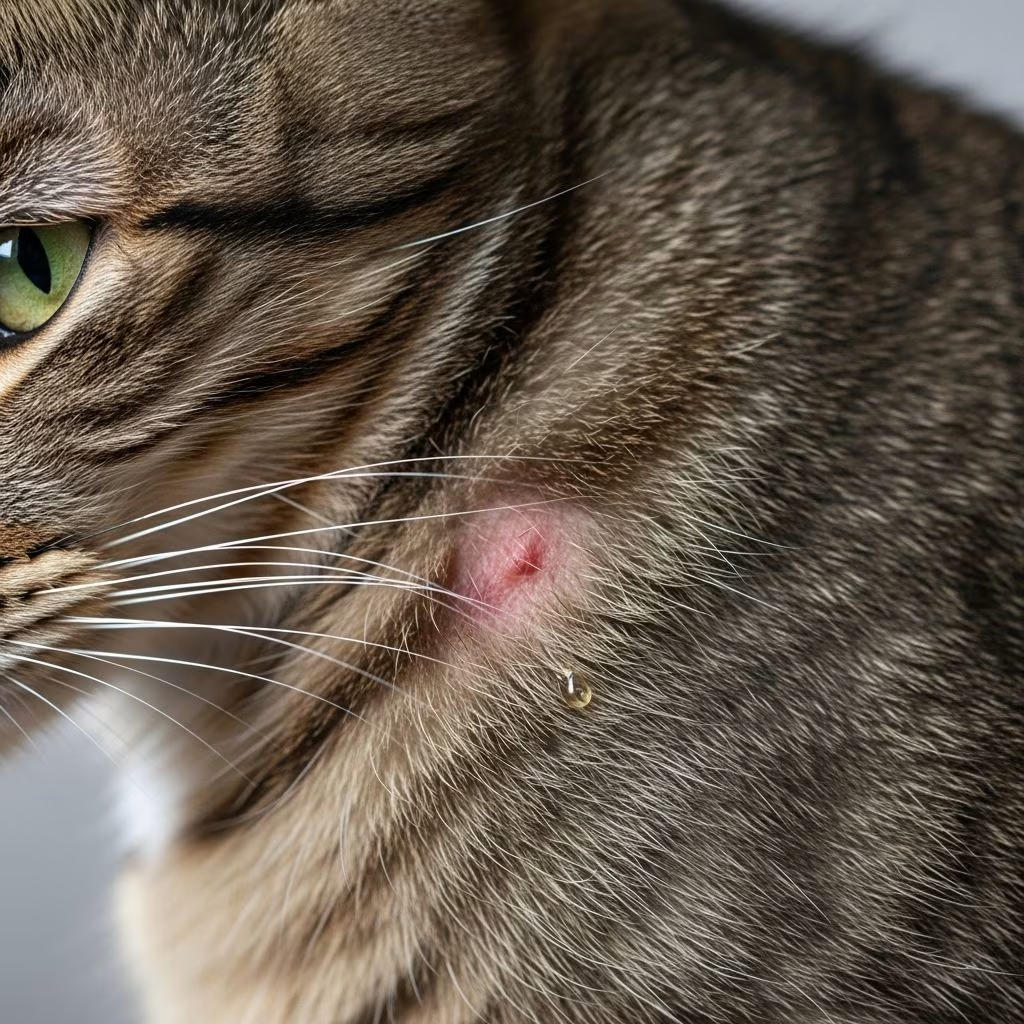
The rabies vaccine is a critical preventive measure for cats, protecting them from a fatal neurological disease transmitted through bites from infected animals. While generally safe, some cats may experience mild or, rarely, more serious reactions post-vaccination. These effects stem from the body’s immune response and are monitored closely by veterinary professionals to ensure pet safety.
Why Rabies Vaccination Remains Essential for Feline Health
Rabies poses a severe threat to cats and public health, as it spreads via saliva and can transfer to humans. Legal mandates in many areas require this vaccine for cats, typically starting at 12-16 weeks of age with boosters every 1-3 years depending on the product and local laws. The benefits far exceed risks, with severe adverse events occurring in fewer than 0.001% of cases.
Vaccines stimulate antibody production without causing disease, using either modified live or inactivated virus strains. Modern formulations have improved safety profiles, reducing historical concerns like tissue reactions. Indoor cats benefit too, as wildlife encounters remain possible through open windows or doors.
Common Mild Reactions After Rabies Vaccination
Most cats show no noticeable effects, but mild symptoms affect a small percentage and resolve quickly. These include:
- Slight fever: A temporary rise in temperature as the immune system activates.
- Lethargy: Reduced energy or sleepiness lasting 1-2 days.
- Decreased appetite: Brief disinterest in food, often paired with lethargy.
- Localized swelling: A small bump or tenderness at the injection site, usually fading within days to weeks.
These responses mimic a natural immune challenge and do not require intervention unless persistent. Owners often note their cat acting ‘off’ for 24-48 hours post-shot, which is normal.
Rare but Serious Allergic Responses
Anaphylaxis, though exceedingly uncommon (less than 10 in 10,000 cats), demands immediate attention. Symptoms emerge within 15-30 minutes and include:
| Symptom | Description | Action Needed |
|---|---|---|
| Facial swelling or hives | Swelling around eyes, mouth; itchy red bumps | Contact vet immediately |
| Extreme weakness/collapse | Sudden lethargy or inability to stand | Emergency care |
| Difficulty breathing | Wheezing, rapid panting | Rush to clinic |
| Vomiting/diarrhea | Persistent gastrointestinal upset | Monitor and call vet |
Severe reactions stem from hypersensitivity to vaccine components like adjuvants or preservatives. Epinephrine administration by vets reverses most cases swiftly. Pre-vaccination history review helps identify at-risk cats.
Injection-Site Complications: Swelling and Sarcomas
A firm lump at the injection site is common initially but should shrink within 3 weeks. Persistent or growing masses warrant biopsy, as rare vaccine-associated sarcomas (VAS) can develop. These aggressive tumors link to certain killed vaccines, occurring in 1-10 per 10,000 doses.
Risk factors include breed predispositions and injection technique; vets now favor interscapular sites for easier monitoring and less reactive vaccines. Early surgical removal improves prognosis. Owners should palpate the site weekly post-vaccination.
Factors Influencing Reaction Likelihood
- Age and health: Kittens and cats with allergies face slightly higher risks.
- Vaccine type: Recombinant vaccines minimize adjuvant-related issues.
- Multiple shots: Combining vaccines may amplify mild effects.
- Breed genetics: Some lines show vasculitis tendencies.
Pre-screening bloodwork or titer tests guide tailored protocols, especially for ferrets or history of reactions.
Post-Vaccination Monitoring Guidelines
Observe your cat for 48 hours after vaccination. Normal activities can resume unless symptoms appear. Tips include:
- Provide quiet rest space away from stressors.
- Offer small, appealing meals if appetite wanes.
- Check injection site daily for changes.
- Avoid baths or topicals near the site.
Report anything beyond mild lethargy to your vet. Digital photos track swelling progression effectively.
Neurological Symptoms: Rare Concerns
Transient tremors, ataxia, or weakness occur in under 0.5 per 10,000 doses, often tied to allergic inflammation rather than direct neurotoxicity. Distinguish from unrelated issues like toxicity. Rabies vaccines cannot transmit the virus.
Balancing Risks: Vaccination vs. Disease Danger
Rabies is 100% fatal once clinical signs appear, with no cure. Untreated exposure risks agonizing death and zoonotic spread. Vaccine efficacy exceeds 99%, making it indispensable. Public health benefits include herd immunity against wildlife reservoirs like bats and raccoons.
Veterinary Recommendations and Alternatives
Discuss 3-year vaccines for low-risk indoor cats to minimize shots. Antibody titers verify immunity without revaccination in some cases. Holistic owners explore nosodes, but evidence lacks for rabies protection—stick to core vaccines.
Frequently Asked Questions (FAQs)
Can my indoor cat skip the rabies vaccine?
No, laws often require it regardless of lifestyle due to bite risks and escapes.
How long do side effects last?
Mild ones resolve in 1-3 days; monitor swelling up to 3 weeks.
What if my cat had a reaction before?
Vets may pretreat with antihistamines or split doses.
Is sarcoma risk high?
Extremely low; newer vaccines reduce incidence.
Should I vaccinate a pregnant cat?
Avoid if possible; consult vet for timing[general knowledge].
Long-Term Vaccine Safety Data
Studies affirm rabies vaccines’ track record over decades. Canadian surveillance reports low adverse event rates: 0.249 per 10,000 for cats. U.S. vets echo this, with anaphylaxis under 0.1%. Continuous improvements ensure safety.
Empower yourself with knowledge: vaccination schedules, reaction signs, and vet communication safeguard your cat’s well-being.
References
- Why Your Cat Needs the Rabies Vaccine | Cincinnati Vets — Hyde Park Vet Clinic. 2024-08-15. https://www.hydeparkvetclinic.com/site/blog/2024/08/15/cat-rabies-vaccine
- What You Need to Know About Rabies Vaccines for Cats — PetMD. N/A. https://www.petmd.com/cat/care/what-you-need-know-about-rabies-vaccines-cats
- Vaccines and sarcomas in cats — American Veterinary Medical Association (AVMA). N/A. https://www.avma.org/resources-tools/pet-owners/petcare/vaccines-and-sarcomas-concern-cat-owners
- Rabies Vaccine for Cats — Rancho Park Veterinary Clinic. 2024-07-21. https://www.ranchoparkveterinaryclinic.com/site/blog/2024/07/21/rabies-vaccine-cats
- Cat Rabies Vaccine: Requirements and FAQs — Rutherford Vet. N/A. https://rutherfordvet.com/cat-rabies-vaccine/
- Rabies in Cats — VCA Animal Hospitals. N/A. https://vcahospitals.com/know-your-pet/rabies-in-cats
- 4 Most Common Cat Vaccine Reactions and When To Call Your Vet — PetMD. N/A. https://www.petmd.com/cat/general-health/cat-vaccines-most-common-reactions
- Suspected adverse reactions to vaccination in Canadian dogs and cats — PMC (PubMed Central). 2015. https://pmc.ncbi.nlm.nih.gov/articles/PMC4572830/



