
Blood Clots in Cat Lungs: Causes, Symptoms & Care
Understanding feline lung blood clots: recognition, diagnosis, and emergency response.
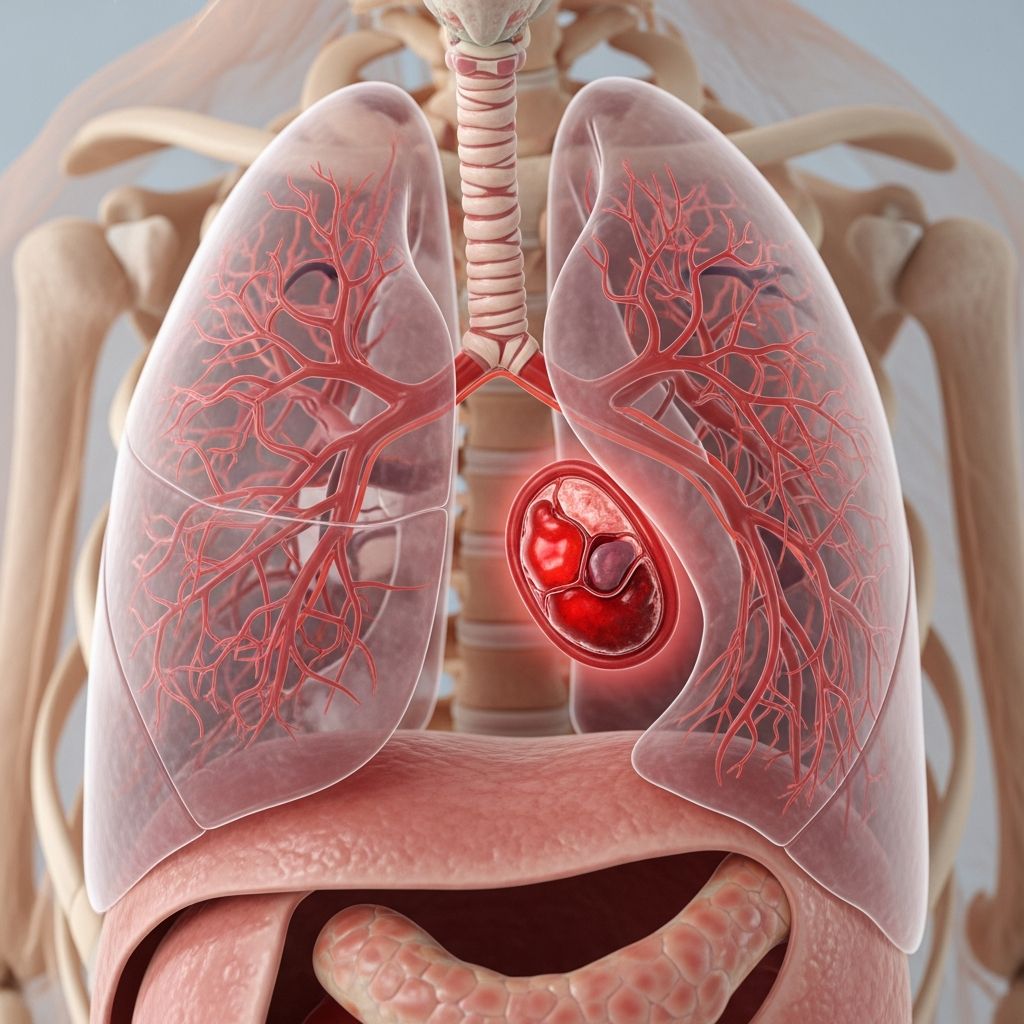
Pulmonary thromboembolism represents one of the more serious and often overlooked cardiovascular emergencies that can affect domestic cats. This condition occurs when a blood clot becomes lodged within the arterial pathways of the lungs, obstructing the flow of oxygenated blood through critical pulmonary vessels. While relatively uncommon compared to other feline diseases, the severity of this condition demands immediate recognition and intervention. The condition can progress rapidly and result in life-threatening complications within hours if left untreated.
What Constitutes Pulmonary Thromboembolism?
At its core, pulmonary thromboembolism involves the formation and migration of a blood clot that ultimately becomes trapped within the lung’s vascular network. When a clot obstructs one or more major blood vessels in the lungs, the affected areas receive inadequate oxygen supply. This creates a cascade of physiological disruptions affecting both respiratory and cardiovascular function. The severity depends significantly on the size of the clot and the volume of lung tissue it affects.
The distinction between primary and secondary thromboembolism is clinically important. In veterinary medicine, primary formation of clots within the lungs themselves is exceptionally rare. Instead, cats typically develop secondary pulmonary thromboembolism as a consequence of underlying systemic disease. Understanding this distinction helps veterinarians focus diagnostic efforts on identifying the root cause while managing the acute symptoms.
Disease Pathways and Risk Factors
Multiple pathological mechanisms predispose cats to clot formation. A state of hypercoagulability—wherein the blood possesses an abnormally elevated tendency to clot—represents the primary physiological disturbance. Several medical conditions and circumstances can trigger this dangerous state.
Cardiovascular and Blood-Related Conditions
Cats with existing heart disease face substantially elevated risk. Structural heart problems create abnormal blood flow patterns within cardiac chambers and associated vessels, termed blood stasis. This sluggish circulation dramatically increases the probability of thrombosis. Additionally, any condition affecting red blood cells—including immune-mediated hemolytic anemia where the body destroys its own red blood cells—can precipitate clot formation.
Inflammatory and Metabolic Diseases
Systemic inflammation serves as a significant risk factor. Conditions such as pancreatitis, which involves inflammation of the pancreatic tissue, create inflammatory cascades throughout the body that activate clotting mechanisms. Metabolic disorders resulting in protein loss through various routes—whether through kidneys (protein-losing nephropathy), the gastrointestinal tract (protein-losing enteropathy), or the liver—diminish the proteins necessary for normal clotting regulation.
Malignancy and Medication Effects
Cancer and neoplastic diseases represent among the most commonly identified concurrent conditions in cats with pulmonary thromboembolism. Tumors activate systemic inflammatory pathways and release substances that promote clotting. Similarly, prolonged corticosteroid administration—whether for treating immune conditions or allergic responses—increases thrombotic risk. Conditions such as feline heartworm disease and Cushing’s disease (endocrine disease characterized by excess corticosteroid production) further elevate clotting tendency.
Acute Traumatic Events
Severe trauma and surgical procedures create acute inflammatory responses that can trigger thrombosis. The body’s healing mechanisms, while protective in moderate circumstances, can become pathological when inflammation is severe or prolonged.
Clinical Presentation and Recognition
The clinical manifestations of pulmonary thromboembolism can vary considerably depending on the extent of vascular obstruction. However, all presentations share the common thread of acute respiratory compromise.
Primary Respiratory Symptoms
- Labored breathing and dyspnea: Cats exhibit obvious difficulty moving air in and out of the lungs
- Rapid breathing: Respiratory rates exceed normal resting parameters, often exceeding 40 breaths per minute
- Open-mouth breathing: In distressed states, cats resort to breathing through the mouth rather than nasal passages
- Postural changes: Affected cats adopt positions that facilitate breathing, such as stretching the neck outward or assuming a splayed-leg sitting position
- Abdominal breathing patterns: Noticeable heaving of the abdominal muscles indicates increased respiratory effort
Systemic and Behavioral Manifestations
- Coughing and hemoptysis: Coughing, sometimes productive with blood or blood-tinged mucus, reflects lung tissue irritation
- Cardiovascular signs: Decreased appetite, exercise intolerance, weakness, and collapse indicate compromised oxygen delivery to tissues
- Neurological indicators: Depression, anxiety, restlessness, and inability to assume comfortable positions reflect systemic distress
- Visible cyanosis: Blue-tinged mucous membranes and gum coloration signal severe hypoxemia—critically low blood oxygen levels
In some cases, sudden death represents the first clinical sign, as the acute obstruction can overwhelm cardiovascular compensation mechanisms without preceding warning signs.
Diagnostic Approaches and Challenges
Diagnosis of pulmonary thromboembolism in cats presents substantial challenges. The condition is significantly underdiagnosed, partly because clinical signs overlap considerably with other respiratory and cardiac conditions. Many cats go undiagnosed until necropsy examination, as no single diagnostic test provides definitive confirmation.
Physical Examination Findings
During physical examination, veterinarians may identify supportive findings including tachycardia (rapid heart rate) with weak pulses, heart murmurs, pale or cyanotic mucous membranes, prolonged capillary refill time, and abnormally low oxygen saturation readings on pulse oximetry.
Laboratory and Imaging Investigations
Comprehensive blood work evaluates red and white blood cell counts, platelet function, kidney and liver parameters, and electrolyte balance. Specialized coagulation testing, including D-dimer and fibrin degradation products, may reveal evidence of active clotting. Chest radiographs can appear normal or display various abnormalities including pleural effusion, parenchymal infiltrates, or abnormal pulmonary vessel patterns.
Blood gas analysis measures oxygen and carbon dioxide levels directly, often revealing hypoxemia inconsistent with radiographic findings. Echocardiography provides ultrasonic visualization of cardiac structure and function, helping exclude congestive heart failure while assessing pulmonary artery pressure elevation. CT angiography offers the highest diagnostic sensitivity by visualizing the clot directly, though the requirement for general anesthesia carries significant risk in severely compromised patients.
Treatment Strategies and Management
Management of pulmonary thromboembolism centers on acute stabilization and identification of underlying causes. Hospitalization with continuous oxygen therapy forms the foundation of treatment. Severely affected cats require cage rest to minimize oxygen demand while the body compensates for reduced pulmonary perfusion.
Beyond symptomatic management, veterinarians must pursue diagnosis and treatment of the underlying disease responsible for triggering thrombosis. Whether addressing heart disease, managing cancer, controlling inflammation from pancreatitis, or supplementing lost proteins, resolving the primary condition represents essential long-term management.
Anticoagulation therapy remains controversial in feline patients. While used in some cases, the altered pharmacokinetics of anticoagulant medications in cats, combined with the severity of acute presentation, means these agents cannot reliably prevent death in acutely affected patients.
Prognosis and Outcomes
The prognosis for cats with pulmonary thromboembolism remains guarded to poor. Even with intensive hospitalization and 24-hour care, mortality remains substantial. This sobering reality underscores the importance of prevention through identification and management of predisposing conditions.
Research indicates that cats surviving the acute phase have better long-term outcomes if the underlying cause can be identified and effectively treated. Cats with neoplasia, severe anemia, or overwhelming inflammatory disease face particularly challenging prognoses.
Prevention and Early Detection
Preventing pulmonary thromboembolism requires vigilance toward underlying diseases known to increase clotting risk. Regular veterinary examinations, prompt treatment of heart disease, appropriate use of corticosteroids at the lowest effective doses, and aggressive management of inflammatory conditions all reduce risk. Weight management and maintaining activity levels within the cat’s capability supports cardiovascular health.
Early recognition of respiratory distress is critical. Any cat presenting with sudden onset breathing difficulty, rapid breathing, coughing, weakness, or behavioral changes deserves immediate veterinary evaluation. The window for successful intervention in pulmonary thromboembolism may be narrow, making rapid response essential.
Frequently Asked Questions
- Can pulmonary thromboembolism be prevented in cats with heart disease?
- While complete prevention is impossible, optimal cardiac management, minimizing stressors, maintaining appropriate activity levels, and regular veterinary monitoring help reduce risk. Some veterinarians use anticoagulant medications preventatively in high-risk cardiac patients, though evidence of efficacy is limited.
- How quickly can pulmonary thromboembolism develop?
- Thromboembolism can develop and progress to critical severity within hours. Some cats present in extreme distress or already in shock when brought to veterinary attention, suggesting rapid deterioration.
- Is there a breed predisposition?
- Available research indicates no breed specificity, with pulmonary thromboembolism affecting cats of any breed and age.
- What should cat owners do if they suspect respiratory emergency?
- Immediate transport to an emergency veterinary facility is essential. Do not delay seeking care awaiting appointment time. Minimize handling and stress during transport, as these can worsen respiratory distress.
Summary and Clinical Significance
Pulmonary thromboembolism represents a life-threatening condition requiring rapid recognition and intervention. While uncommon, its potential for sudden progression and fatal outcome demands that cat owners and veterinarians maintain awareness of risk factors and clinical presentations. The condition’s association with systemic diseases means that optimal management of underlying conditions—whether cardiac, neoplastic, inflammatory, or metabolic—provides the most effective prevention strategy. Future research may elucidate better diagnostic and therapeutic approaches for this challenging feline disease.
References
- Pulmonary Thromboembolism (PTE) in Dogs and Cats — Pet Health Network. https://www.pethealthnetwork.com/dog-health/dog-diseases-conditions-a-z/pulmonary-thromboembolism-pte-dogs-and-cats
- Pulmonary Thromboembolism in Cats — MSD Veterinary Manual. https://www.msdvetmanual.com/cat-owners/lung-and-airway-disorders-of-cats/pulmonary-thromboembolism-in-cats
- Pulmonary Thromboembolism (Blood Clots in the Lungs) in Cats — VCA Animal Hospitals. https://vcahospitals.com/know-your-pet/pulmonary-thromboembolism-blood-clots-in-the-lungs-in-cats
- Blood Clot in the Lungs of Cats – PetMD — PetMD. https://www.petmd.com/cat/conditions/respiratory/c_ct_pulmonary_thromboembolism
- Pulmonary thromboembolism in cats — PubMed/National Center for Biotechnology Information. 2003. https://pubmed.ncbi.nlm.nih.gov/15320593/
Similar Articles








Read full bio of Sneha Tete




