

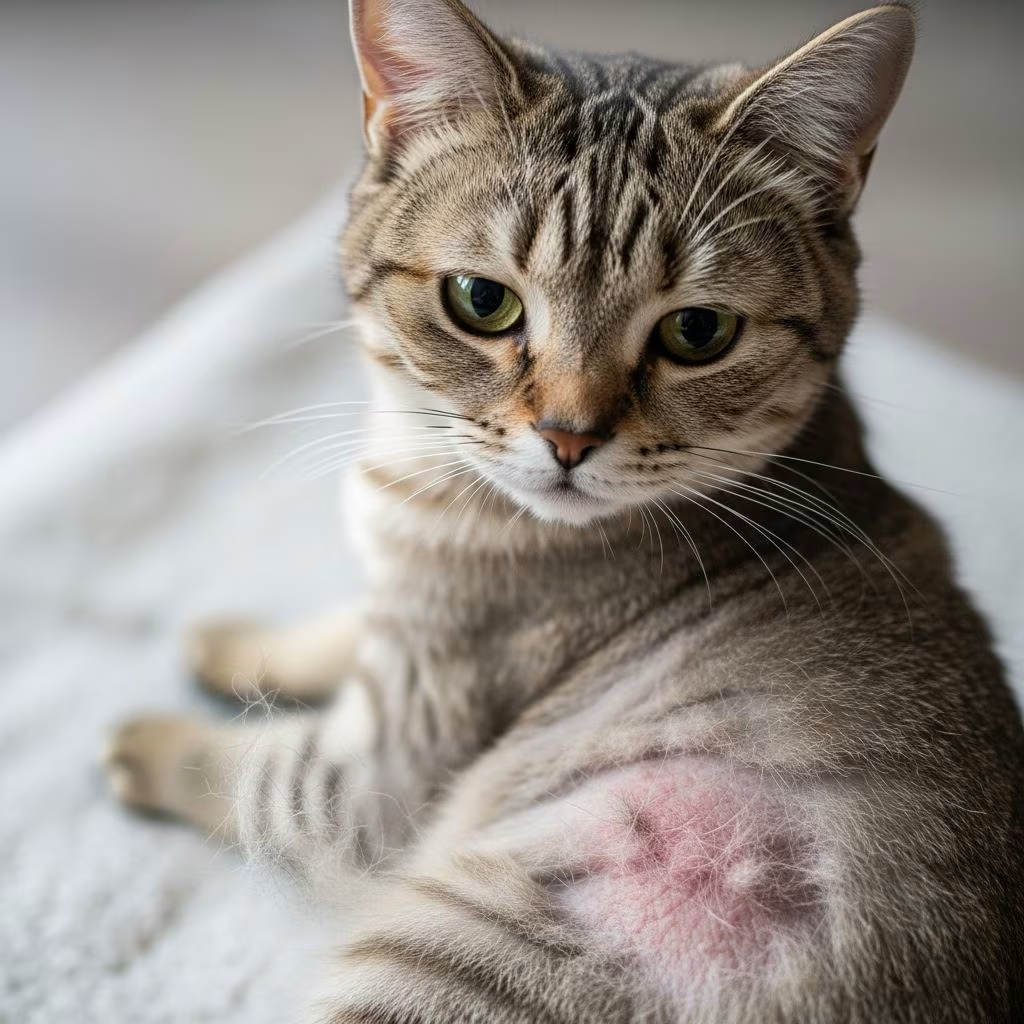
Cat Pulling Hair Out: Causes, Solutions & When to See a Vet
Discovering that your beloved cat is pulling out their fur can be distressing for any pet owner. This behavior, known as psychogenic alopecia or excessive overgrooming, results in noticeable hair loss, bald patches, and skin irritation. While fur pulling might seem like a simple grooming issue on the surface, it often signals underlying medical or behavioral problems that require attention. Understanding the root causes of this behavior is the first step toward helping your cat feel better and restoring their healthy coat.
Cats don’t overgroom or pull out their hair without reason. Whether triggered by stress, anxiety, medical conditions, or a combination of factors, this behavior deserves investigation. The good news is that with proper diagnosis and targeted treatment, most cases of cat hair pulling can be managed effectively. This comprehensive guide explores the various causes, warning signs, and practical solutions to help your cat overcome this frustrating habit.
Understanding Psychogenic Alopecia in Cats
Psychogenic alopecia is a behavioral condition characterized by compulsive self-grooming that results in significant hair loss. Unlike normal grooming, which keeps a cat’s coat healthy, psychogenic alopecia causes cats to lick, chew, or pluck their fur excessively, leading to visible bald patches, thinning hair, and sometimes skin sores. This condition can affect any cat, though cats with high-strung or anxious personalities may be more predisposed to developing it.
The condition typically manifests as hair loss on the belly, thighs, front legs, and inner surfaces of the body, though affected areas vary by individual cat. What makes psychogenic alopecia particularly challenging is that cats often cannot stop the compulsive behavior once it starts, even as it causes visible damage to their skin and coat. This self-perpetuating cycle can be difficult to break without addressing the underlying trigger.
Medical Causes of Hair Pulling
Before assuming your cat’s hair pulling is behavioral, it’s essential to rule out medical conditions. Many physical health problems can trigger excessive grooming behaviors.
Parasites: The Most Common Culprit
Parasites, especially fleas, represent the most common reason cats pull out their fur. Even if you don’t see fleas crawling on your cat’s skin, a single flea bite and flea saliva can trigger intense itching in sensitive cats. Flea allergy dermatitis is particularly problematic because the allergic reaction to flea saliva causes far more itching than the bite itself.
Beyond fleas, other parasites can cause similar problems:
– Mites, including Cheyletiella (also called “walking dandruff”), which hide deep in the fur and cause significant irritation- Ticks that burrow into the skin and create localized discomfort- Lice that cause itching and irritation
Your veterinarian can diagnose parasites through visual inspection, flea dirt detection, or skin scrapings. Treatment typically involves prescription-strength flea preventatives and thorough environmental decontamination. Because fleas can transmit tapeworms with zoonotic implications for your family, addressing parasites promptly is crucial for everyone’s health.
Skin Allergies and Irritations
Cats can develop allergies to various environmental and dietary triggers, leading to itchy, irritated skin that prompts excessive grooming. Common allergen sources include:
– Environmental factors like pollen, dust, mold, and dust mites- Food proteins such as chicken or fish- Household cleaning products and chemical irritants- Perfumes and fragrances in cleaning supplies or air fresheners
Allergic reactions typically manifest as localized or generalized itching, causing cats to overgroom specific areas or their entire body. Diagnosing allergies often requires dietary trials with hypoallergenic food or specific allergy testing performed by your veterinarian. Food elimination diets can help identify problematic ingredients, while environmental allergy tests can pinpoint airborne triggers.
Skin Infections
Both bacterial and fungal infections can cause significant skin irritation and hair pulling. Ringworm, a common fungal infection in cats, creates itchy, inflamed patches that drive excessive grooming. Yeast overgrowth and other fungal conditions similarly irritate the skin and trigger compulsive licking and scratching.
Secondary bacterial infections often develop when constant licking breaks down your cat’s natural skin barrier, making them vulnerable to infection. These secondary infections further perpetuate the overgrooming cycle, creating a challenging situation that requires both antifungal or antibiotic medications and treatment of the underlying cause. Diagnosis typically involves skin cultures, Wood’s lamp examination for ringworm, or other specialized tests your vet may recommend.
Systemic and Hormonal Conditions
While less common than parasites or allergies, internal diseases can manifest as coat changes and excessive grooming. Conditions that may trigger hair pulling include:
– Hyperthyroidism, particularly common in older cats, which accelerates metabolism and can cause skin changes- Cushing’s disease (hyperadrenocorticism), a hormonal imbalance affecting older cats- Hormonal imbalances that disrupt normal skin and coat health- Gastrointestinal discomfort from inflammatory bowel disease- Pain from arthritis or other joint conditions, causing cats to obsessively groom painful areas
These conditions often present with additional symptoms like weight loss, increased appetite, lethargy, or behavioral changes. Complete physical examinations and blood tests prove crucial in diagnosing these underlying conditions. If your veterinarian suspects hormonal issues, they may recommend specific blood and urine tests to identify the problem accurately.
Behavioral and Psychological Causes
Beyond medical issues, behavioral and emotional factors significantly contribute to hair pulling in cats. Cats are sensitive creatures who respond to environmental stress and anxiety through various behaviors, including excessive grooming.
Stress and Anxiety Triggers
Environmental changes and disruptions to routine commonly trigger stress-related grooming in cats. Common stressors include:
– Moving to a new home or significant changes in the living environment- Introduction of new pets to the household- Arrival of new people or family members- Changes in furniture arrangement or room setup- Disruptions to feeding, litter box, or playtime schedules- Loud noises or household chaos- Inter-cat conflict or tension within a multi-cat household
Cats thrive on predictability and routine. When their environment changes unexpectedly, they experience internal stress that manifests through overgrooming. The repetitive licking and grooming behavior actually provides temporary relief by releasing endorphins, creating a self-soothing mechanism that can become compulsive.
Boredom and Lack of Enrichment
Indoor cats are especially at risk for stress-related grooming problems due to limited opportunities for enrichment and increased boredom. Cats are intelligent, active creatures requiring mental and physical stimulation throughout the day. Without adequate outlets for their natural behaviors, boredom can develop, leading to compulsive overgrooming.
Insufficient enrichment contributes to the problem in several ways: it increases overall stress levels, provides no outlet for natural hunting and climbing instincts, and leaves cats with excessive downtime for destructive behaviors. Cats need climbing structures, interactive toys, window perches for bird watching, and regular play sessions to maintain psychological well-being.
Diagnosing the Cause of Hair Pulling
Accurate diagnosis is essential for effective treatment. Your veterinarian will typically begin with a thorough physical examination and detailed history of your cat’s symptoms and environment.
Veterinary Examination and Testing
During your visit, your vet will:
– Perform a complete physical examination, checking for parasites, skin lesions, and other abnormalities- Request skin scrapings to identify mites and other parasites- Potentially perform allergy panels to identify environmental or food allergies- Conduct blood and urine tests to screen for systemic diseases like hyperthyroidism or Cushing’s disease- Use a Wood’s lamp to check for ringworm and other fungal infections- Take skin cultures if bacterial or fungal infections are suspected
This comprehensive diagnostic approach helps eliminate medical causes and narrowing down behavioral factors. Your veterinarian may also ask questions about your cat’s behavior patterns, specific areas of hair loss, and any recent environmental changes to build a complete picture.
Diagnostic Checklist
Consider this checklist when evaluating your cat’s hair pulling:
– Have you noticed fleas or flea dirt on your cat’s skin?- Has your cat been exposed to new environments, pets, or people recently?- Are there visible skin lesions, redness, or scaling?- Has your cat’s appetite, energy level, or litter box habits changed?- Does your cat’s schedule remain consistent?- Are there noticeable bald patches in specific locations?- Has the hair loss developed suddenly or gradually over time?
Treatment and Management Strategies
Treatment approaches vary depending on the underlying cause, but typically combine medical interventions with behavioral modifications.
Addressing Medical Causes
For parasites, your veterinarian will prescribe appropriate treatments such as topical flea preventatives, oral medications, or environmental treatments to eliminate parasites from your home. For allergies, treatment may include dietary changes, medications, or allergen avoidance. Skin infections require antifungal or antibiotic medications, while hormonal conditions need specific endocrine treatments.
Creating a Stable Routine
Routines reduce stress and provide cats with the predictability they need to feel secure. Establish and maintain:
– Consistent feeding times each day- Regular play sessions at predictable times- Fixed litter box maintenance schedules- Stable sleeping and rest zones- Daily grooming rituals, which reduce loose fur and potential itch triggers
Even when your life feels chaotic, maintaining your cat’s routine helps them feel secure and reduces anxiety-driven behaviors.
Environmental Enrichment
Provide your cat with adequate enrichment to prevent boredom and stress:
– Vertical climbing structures like cat trees and wall-mounted shelves- Window perches for bird watching and visual stimulation- Interactive toys and puzzle feeders- Regular play sessions with wand toys or laser pointers- Hiding spots and comfortable resting areas throughout the home- Rotating toys to maintain novelty and interest
These enrichment strategies address both physical and psychological needs, helping prevent hair pulling by providing outlets for natural behaviors.
Supportive Tools and Therapies
Several tools can support your cat during recovery:
– Soft Elizabethan collars to prevent excessive licking while healing occurs- Pheromone diffusers or sprays (like Feliway) that mimic natural calming pheromones- Calming supplements or medications prescribed by your veterinarian- Regular grooming to reduce loose fur and identify new skin issues- Soft brushing that strengthens your bond and allows early detection of problems
When to See a Veterinarian
Contact your veterinarian if you notice:
– Sudden onset of excessive grooming or hair loss- Visible bald patches or skin lesions- Signs of skin infection like redness, scaling, or discharge- Behavioral changes alongside hair loss- Hair loss that doesn’t improve with home management- Signs of pain or discomfort
Early intervention typically leads to better outcomes, so don’t delay seeking veterinary care if you’re concerned about your cat’s grooming habits.
Frequently Asked Questions
Q: Can stress alone cause a cat to pull out their hair?
A: Yes, stress and anxiety can trigger excessive grooming behaviors, particularly in sensitive or high-strung cats. However, medical causes should always be ruled out first with a veterinary examination.
Q: How long does it take for a cat’s hair to regrow after they stop pulling it out?
A: Hair regrowth typically takes several weeks to months, depending on the severity of hair loss and how quickly the underlying cause is addressed. Continued grooming or ongoing triggers can slow regrowth.
Q: Will my indoor cat definitely develop stress-related hair pulling?
A: Not necessarily, but indoor cats are at higher risk due to limited enrichment opportunities. Providing adequate environmental enrichment significantly reduces this risk.
Q: Is cat hair pulling contagious to other pets?
A: Hair pulling itself isn’t contagious, but underlying causes like parasites or ringworm are. If your cat has parasites or fungal infections, other pets in the household may need treatment too.
Q: Can certain cat breeds be more prone to psychogenic alopecia?
A: While genetics may predispose certain breeds to the behavior, any cat can develop psychogenic alopecia. Individual personality and environmental factors play significant roles.
Q: What’s the difference between normal grooming and problematic hair pulling?
A: Normal grooming maintains coat health without causing visible hair loss. Problematic hair pulling results in noticeable bald patches, skin lesions, and excessive time spent grooming.
References
- Why Is My Cat Ripping Her Fur Out? Vet Answers & Solutions — Stylla Care. 2024. https://styllacare.com/blogs/cat/why-is-my-cat-ripping-her-fur-out
- Why Is My Cat Pulling Out Her Fur – The Refined Feline — The Refined Feline. 2024. https://www.therefinedfeline.com/my-cats-pulling-their-hair-out-what-do-i-do/
- Cat Pulling Hair Out: Causes for This Behavior — Wakefield Pet Veterinary Hospital. 2024. https://wakefieldpetvet.com/blog/cat-pulling-hair-out/
- Why is My Cat Pulling Her Hair Out — Bailey Brush. 2024. https://baileybrush.com/blogs/bailey-blog/why-is-my-cat-pulling-her-hair-out
- Understanding Cat Over-Grooming: Causes And Solutions For Hair Pulling and Itching — Tri-State Veterinary Clinic. 2024. https://tristatevet.com/blog/understanding-cat-over-grooming-causes-and-solutions-for-hair-pulling-and-itching/
- Cat Pulling Hair Out: Causes & Treatment — Cats.com. 2024. https://cats.com/cat-pulling-hair-out
- Why is my cat pulling out her hair? – FirstVet — FirstVet. 2024. https://firstvet.com/us/articles/fur-mowing-overgrooming-in-cats



