
Cat-Proofing Guide for Safe Homes
Essential strategies to safeguard your cat or kitten from household hazards and ensure a worry-free living space.
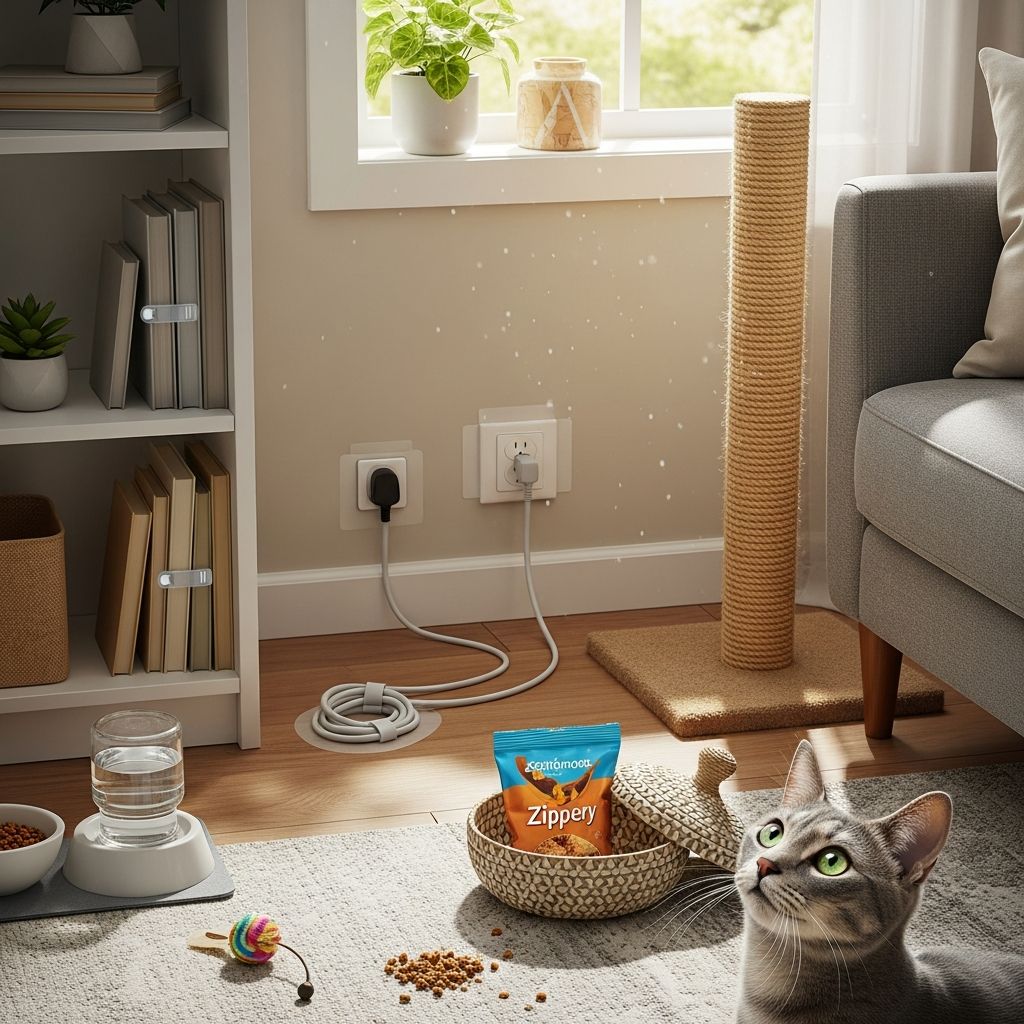
Bringing a cat or kitten into your home brings joy but also requires proactive steps to eliminate risks. Everyday items can turn hazardous for curious felines, so systematic home modifications are crucial for their well-being.
Understanding Feline Curiosity and Risks
Cats explore with paws, mouths, and claws, often targeting dangling objects, tight spaces, or high perches. This natural behavior leads to potential issues like ingestion of toxins, falls from heights, or entanglement in cords. Assessing your space from a cat’s low-level viewpoint reveals overlooked threats, allowing targeted prevention.
Primary dangers include electrical hazards, toxic substances, unstable furniture, and unsecured openings. Kittens face amplified risks due to smaller size and bolder exploration. Early intervention prevents injuries, with statistics from veterinary sources indicating household accidents as a leading cause of pet harm.
Essential Tools and Materials for Cat-Proofing
Stock up on affordable, effective supplies:
- Cord covers, wraps, and clips to hide wires.
- Childproof cabinet latches and drawer locks.
- Museum putty or furniture anchors for stability.
- Window screen reinforcements and balcony netting.
- Motion-activated deterrents and bitter sprays.
- Scratching posts and pheromone diffusers.
These items, available at hardware or pet stores, provide long-term protection without major renovations.
Room-by-Room Cat-Proofing Strategies
Entryways and Hallways
These areas often have dangling cords from lights or chargers. Cats pounce on them, risking shocks or chewing injuries. Bundle wires with tubing and affix to baseboards using clips. Secure closet doors with latches to block access to shoes or bags containing small, swallowable items.
Check for gaps under doors where tiny paws or bodies could squeeze through, using draft stoppers or seals as barriers.
Living Areas
Shelves and tables hold tempting knockables like vases or remotes. Anchor heavy items with quake putty and relocate fragiles to closed cabinets. Drapery cords mimic prey; opt for cordless blinds or install tension cleats to keep strings taut and high.
Protect upholstery from claws by placing sisal-covered scratchers nearby, encouraging appropriate use. Pheromone plugs reduce stress-induced scratching.
Kitchen Safeguards
Counters harbor knives, hot pans, and food scraps attractive to jumpers. Install sink strainers to catch debris and use stove knob covers. Store cleaners in latched under-sink cabinets—many contain ethylene glycol, lethal if ingested.
Trash bins with locking lids prevent rummaging through bones or wrappers. Motion mats emit harmless beeps to deter counter leaps.
| Hazard | Solution | Why It Works |
|---|---|---|
| Cleaning chemicals | Childproof latches | Blocks access to toxins |
| Hot appliances | Knob guards | Prevents burns |
| Food waste | Lidded bins | Avoids choking |
Sleeping Quarters
Bedrooms tempt with jewelry, elastics, and charging cables. Use divided organizers for small items and cord sleeves for electronics. Keep laundry hampers covered; cats hide in warm clothes, risking washer entrapment.
Before laundry loads, thump machines to scare hidden felines. Close dresser drawers fully to avoid paw pinches.
Bathroom Precautions
Lids down on toilets prevent drowning play. Medications and cosmetics belong in locked medicine chests. Q-tips and floss mimic worms; store in sealed bins.
Slip-resistant mats around tubs reduce skids, and close shower curtains to block exploratory squeezes.
Laundry and Utility Zones
Always verify washers and dryers are empty before cycles. Cats seek dark, vibrating warmth inside. Install pull-down doors or habit-check routines.
Vent hoses and dryer sheets pose ingestion risks; secure and discard properly.
Multi-Level Homes: Stairs and Balconies
Banisters with wide gaps invite slips; add plexiglass shields or netting. Cats slip on polished stairs—rugs or carpet runners provide traction.
Balconies need full enclosure mesh, secured tightly against pushes. Baby gates restrict unsupervised access.
Plants, Chemicals, and Toxic Foods
Many houseplants like lilies or poinsettias cause kidney failure if nibbled. Relocate to high shelves or choose cat-safe varieties like spider plants. Human foods such as chocolate, onions, and grapes are poisonous; elevate or seal away.
Garage chemicals like antifreeze demand locked storage. Veterinary guidelines emphasize immediate removal of these threats.
Furniture Stability and Climbing Zones
Tall bookcases tip under climbing weight; bracket to studs per manufacturer instructions. Provide approved vertical spaces like wall-mounted shelves or trees, also anchored.
This satisfies perch instincts safely, reducing risky improvisations.
Window and Door Security
Inspect screens for tears; reinforce with metal mesh. Cats perch and push, leading to falls from heights. Secure sliding doors similarly.
For escape artists, magnetic seals add layers.
Behavioral Training and Enrichment
Proofing pairs with training. Ignore unwanted spots, redirect to toys. Interactive lasers or feather wands burn energy. Multiple litter boxes in quiet spots minimize elimination issues.
Regular vet checks catch health-driven mischief early.
Common Mistakes to Avoid
- Overlooking small items like bread ties.
- Assuming adult cats outgrow curiosity.
- Skipping anchors on “sturdy” furniture.
- Forgetting seasonal checks (holiday decorations).
FAQs
How do I stop cord chewing?
Wrap in bitter-sprayed tubing, elevate with clips, and offer alternatives like chew sticks.
Are baby gates effective for cats?
Yes, especially pressure-mounted ones over 36 inches tall, though agile cats may vault lower models.
What if my cat ignores scratch posts?
Try varied textures (cardboard, rope), place near furniture, and use catnip.
Can I cat-proof on a budget?
Absolutely—DIY with tape, putty, and bins; prioritize high-risk areas first.
How often should I recheck proofing?
Monthly, plus before guests or moves, as cats change habits.
References
- A Complete Guide For House Cat-proofing — Mr. Handyman. 2025-08-05. https://www.mrhandyman.com/blog/how-to-cat-proof-your-house/
- How To Cat-Proof Your Home — PetMD. N/A. https://www.petmd.com/cat/general-health/how-to-cat-proof-your-home
- Essential Tips for Pet-Proofing Your Home — AAHA. N/A. https://www.aaha.org/resources/essential-tips-for-pet-proofing-your-home/
- How to Cat-Proof Your Home! — YouTube. N/A. https://www.youtube.com/watch?v=h6ZyRTQbWR0
- Cat Safety Checklist For Your Home — SHEBA. N/A. https://www.sheba.com/cat-safety-checklist-for-your-home
- Cat-Proofing Your Home — Anti-Cruelty Society. N/A. https://anticruelty.org/pet-library/cat-proofing-your-home
Similar Articles








Read full bio of Sneha Tete




