

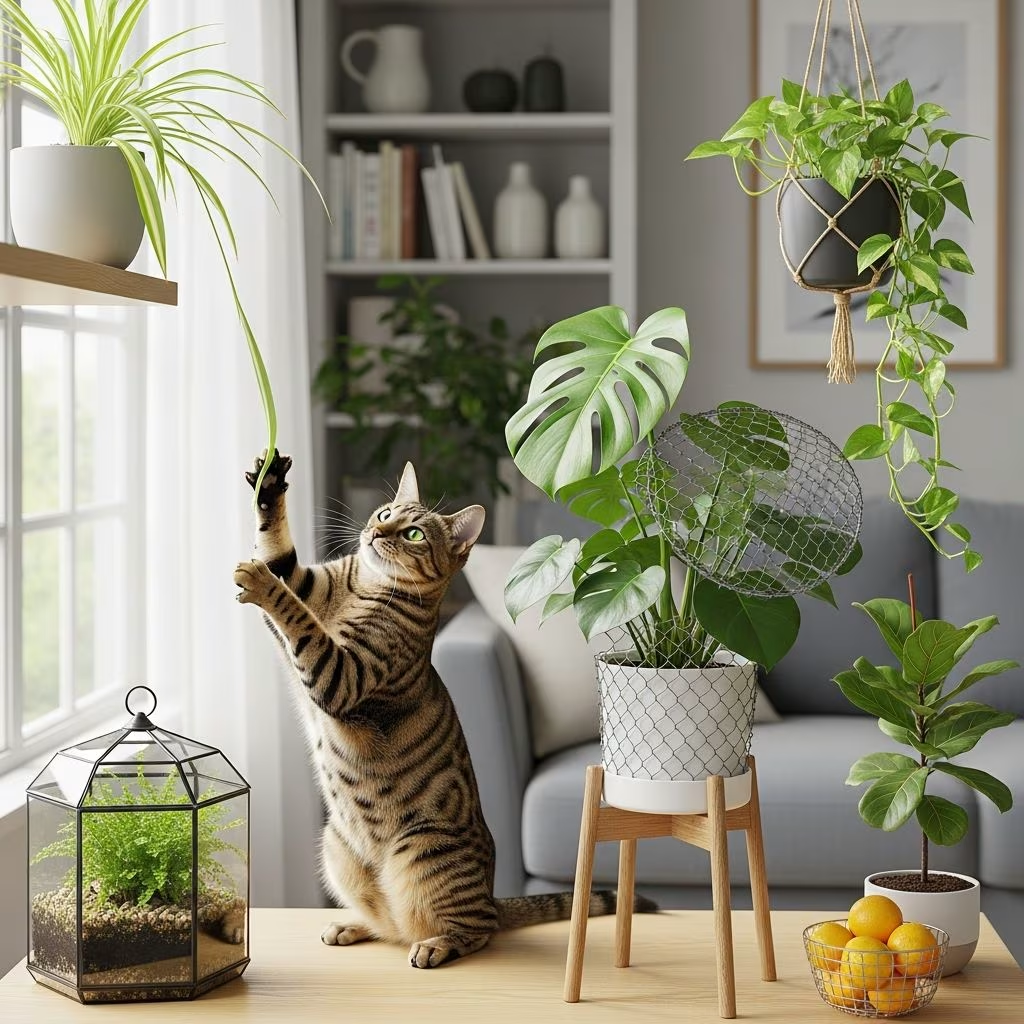
Bringing lush greenery into your home enhances ambiance and air quality, but feline companions often view houseplants as irresistible toys or snacks. Cats chew leaves, dig in soil, or knock pots over due to innate instincts for hunting, grooming fiber needs, or exploring textures. This guide outlines comprehensive, humane approaches to redirect these behaviors, prioritizing pet safety and plant preservation. By understanding motivations and implementing layered defenses, you create a thriving environment for both.
Understanding Feline Fascination with Greenery
Cats gravitate toward plants for several biological reasons. In the wild, they ingest grass to purge hairballs and aid digestion, a habit persisting indoors where potting soil mimics litter and leaves offer chewable appeal. Boredom amplifies this, especially for indoor-only cats lacking stimulation. Recognizing these drives allows targeted interventions rather than punishment, which can heighten stress and mischief.
- Instinctual Digging: Soil resembles burying grounds, prompting pawing.
- Chewing Urge: Greenery provides fiber absent in strict carnivore diets.
- Playful Toppling: Pots invite batting for unstable movement.
Addressing root causes like enrichment deficits yields lasting results over temporary fixes.
Prioritizing Safety: Eliminate Toxic Risks First
The foremost step is auditing your collection for feline hazards. Many popular ornamentals cause vomiting, organ damage, or fatality upon ingestion. Replace or rehome dangers immediately to prevent veterinary emergencies.
| Toxic Plants to Avoid | Symptoms in Cats |
|---|---|
| Lilies (all varieties) | Kidney failure, lethal |
| Pothos, Philodendron | Oral irritation, swelling |
| Azaleas, Rhododendrons | Cardiac issues, coma |
| Daffodils, Tulips | Gastrointestinal upset |
| Jade Plants, Aloe Vera | Depression, tremors |
Opt for verified safe substitutes that satisfy curiosity without harm. These tolerate nibbling better and often thrive in low light.
| Cat-Safe Plant Alternatives | Benefits |
|---|---|
| Spider Plants | Durable, air-purifying |
| Bamboo Palms | Tall, non-toxic foliage |
| Money Trees | Compact, resilient stems |
| Orchids | Elegant blooms, safe petals |
| Bromeliads | Colorful, upright growth |
Even benign plants in excess can cause mild diarrhea; monitor intake and consult vets for personalized advice.
Strategic Relocation: Keep Greenery Inaccessible
Elevating plants thwarts most access attempts. Cats leap impressively, but high shelves, wall mounts, or hanging baskets exceed typical reach. Measure your cat’s jump height—often 5-6 feet vertically—and position accordingly.
- Use sturdy **shelves** secured to walls with brackets for stability.
- Employ **hanging planters** from ceilings, ensuring chains resist clawing.
- Install **tall stands** in cat-free zones like upper cabinets or rooms with doors.
For ground-dwellers, convert balconies or enclosed porches into plant sanctuaries, providing fresh air without indoor risks. Combine with motion-activated air puffers for added deterrence.
Fortify with Physical Deterrents
When relocation isn’t feasible, barriers transform pots into no-go zones. These exploit sensory dislikes—texture, sound, scent—without chemicals.
Soil Safeguards
Uncovered dirt invites digging; cap it with unappealing toppings.
- **Pea Gravel or Pebbles:** Larger stones (1-inch) block paws effectively, minimizing mess.
- **Aluminum Foil:** Crinkly surface and cool feel repel steppers; refresh as needed.
- **Plastic Forks:** Tines-up prongs create a spiky moat around soil edges.
Pot Protection
Secure vessels against knockovers.
- **Museum Putty:** Adhesive base anchors pots to surfaces invisibly.
- **Double-Sided Tape:** Rim lining deters paw pads from sticky sensation.
- **Decorative Cages or Mesh:** Enclose low plants like terrariums.
Scent and Texture Repellents
Natural odors cats abhor include citrus and spice.
- Scatter **lemon/orange peels** amid leaves; replace weekly.
- Dust **chili powder** lightly; bottom-water to preserve.
Avoid essential oils, as concentrated forms irritate skin or lungs.
Offer Appealing Alternatives
Fulfill instincts with dedicated feline zones, reducing plant interest.
Grow Cat Grass
This wheatgrass or oat blend mimics wild foraging, supplying digestible fiber, vitamins, and hairball relief. Pot it near tempting plants; refresh every 10-14 days.
- Benefits: Promotes gut health, prevents over-nibbling elsewhere.
- Tip: Multiple pots rotate availability.
Enrichment Essentials
Bored cats target plants; enrich daily.
- **Cat Trees/Perches:** Vertical space for claiming territory.
- **Scratching Posts:** Redirect clawing urges.
- **Interactive Toys:** Feather wands, tunnels mimic prey.
- **Window Seats:** Bird-watching outlets energy.
Swap toys frequently to sustain novelty.
Training for Long-Term Success
Positive reinforcement reshapes habits effectively. Consistency is key; involve all household members.
- Observe and Interrupt: Gently redirect from plants to approved items.
- Reward Immediately: Treats or praise for engaging alternatives.
- Increase Playtime: 10-15 minute sessions 2-3 times daily tire hunters.
- Use Deterrent Cues: “No” paired with air hiss or water spritz, followed by redirection.
Patience yields results in 1-4 weeks; track progress in a journal.
Frequently Asked Questions (FAQs)
Is catnip safe around houseplants?
Yes, but grow separately; its allure might draw cats past other deterrents.
What if my cat ignores all deterrents?
Consult a vet or behaviorist for underlying issues like nutritional gaps or anxiety.
Can outdoor plants solve indoor issues?
For non-toxic species, yes—supervised patios work well for motivated cats.
Are automated deterrents effective?
Motion-sensor sprays or buzzers add layers, but pair with enrichment.
How do I clean up after plant mishaps?
Vacuum soil promptly; wipe leaves with mild soap to remove scents.
Creating a Balanced Indoor Oasis
Integrate strategies holistically: Start with toxics removal, layer barriers, provide alternatives, and train persistently. Monitor for ingestion signs like drooling or lethargy, seeking immediate vet care if noted. With diligence, your home becomes a verdant haven where cats thrive alongside thriving plants, fostering mutual respect.
References
- How to Prevent Your Cat from Eating House Plants — Hartz. Accessed 2026. https://www.hartz.com/how-to-prevent-your-cat-from-eating-house-plants/
- How To Keep Your Cat Away from Your Plants | Chewtorials — YouTube (Betsy Begonia). Accessed 2026. https://www.youtube.com/watch?v=T-URH4uh3c0
- How to Keep Your Cat from Eating Your Houseplants — PetPlace. Accessed 2026. https://www.petplace.com/article/cats/pet-behavior-training/how-how-to-keep-your-cat-from-eating-your-houseplants
- How to Keep Your Cat Out of Your Houseplants — Plant Savvy. Accessed 2026. https://www.plantsavvy.com/blog/7yua99trd2ft7gkyg24i82jaigi41d



