

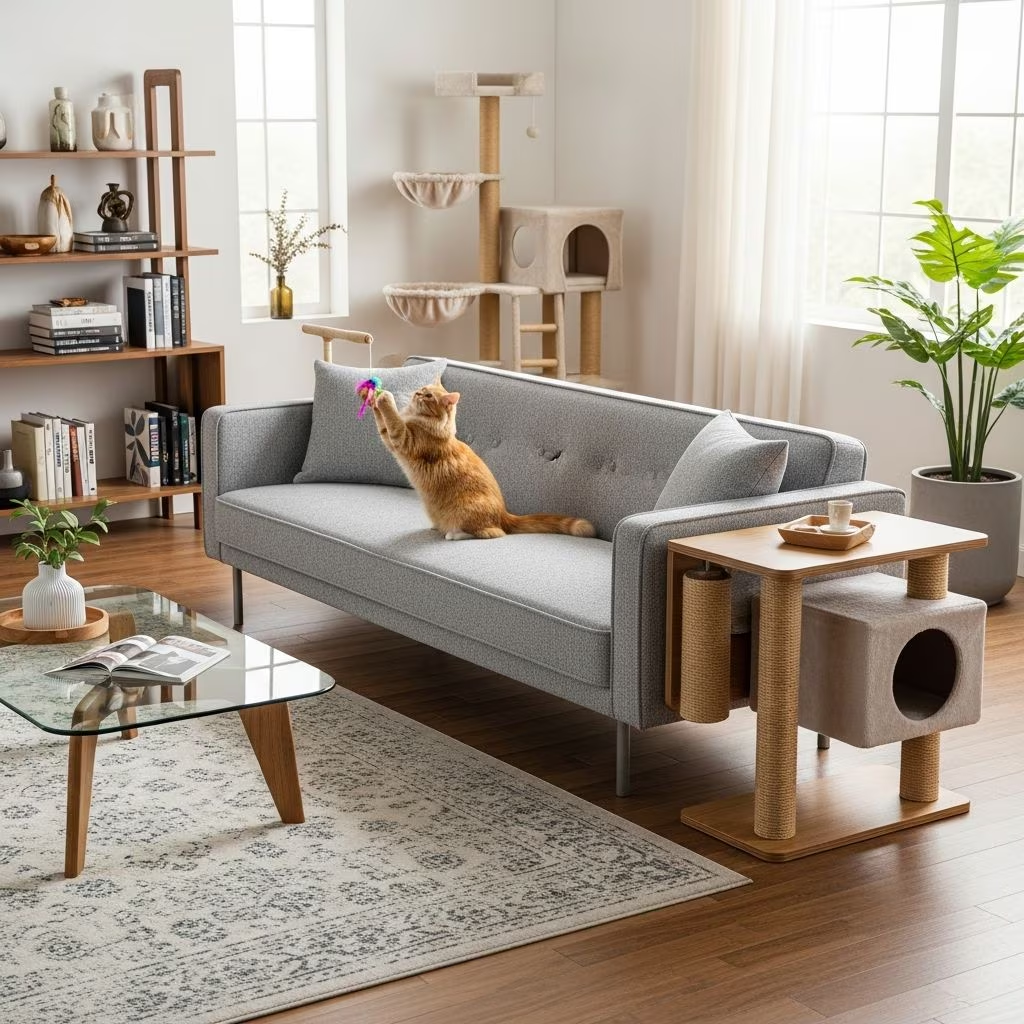
Protecting household furnishings from feline claws requires understanding natural cat behaviors and implementing practical solutions. Cats scratch to maintain claw health, mark territory, stretch, and communicate, making total elimination impossible. Instead, focus on redirection and deterrence for a harmonious living space.
Understanding Feline Scratching Instincts
Scratching serves multiple essential purposes for cats. It removes dead nail layers, sharpens claws, and allows muscle stretching after rest. Scent glands in paw pads deposit pheromones during scratches, signaling territory to other cats. Stress relief also plays a role, especially in multi-cat homes or new environments.
Failure to address these needs leads to persistent furniture targeting. Vertical surfaces like sofas appeal for full-body stretches, while horizontal areas such as carpets suit ground-level marking. Recognizing preferred textures—rough sisal, shreddable cardboard, or bark-like wood—helps select effective alternatives.
Selecting Optimal Scratching Surfaces
Choose posts and pads matching your cat’s preferences to encourage use. Vertical posts suit couch scratchers, reaching at least 3 feet for full extension. Horizontal boards work for floor lovers. Sturdy bases prevent tipping, building cat confidence.
- Sisal rope: Provides grip and shredding satisfaction, mimicking tree bark.
- Corrugated cardboard: Affordable, disposable, ideal for shredders.
- Natural wood or cedar logs: Appeals to tree-climbing instincts.
- Avoid carpet-covered posts: Confuses cats about acceptable surfaces.
Multi-functional cat trees combine scratching, perching, and play, reducing overall furniture interest.
Strategic Placement for Success
Position scratchers near damaged spots initially. Cats favor high-traffic family areas for social marking, so place posts nearby rather than isolating them. Gradually relocate once habit forms, but proximity to action zones boosts adoption.
For carpet protection, lay flat sisal mats or scrap rugs over vulnerable areas, allowing scratching without permanent harm. Draped scratchers shield chair arms, preserving access to favored locations.
Deterrents to Discourage Unwanted Scratching
Gentle repellents make furniture unappealing without harm. Combine with alternatives for best results.
| Method | How It Works | Pros | Cons |
|---|---|---|---|
| Double-sided tape (e.g., Sticky Paws) | Tacky texture displeases paws | Pet-safe, removable | Temporary, visible |
| Citrus or vinegar sprays | Strong odors cats avoid | Easy application, natural | Needs reapplication |
| Aluminum foil or plastic sheeting | Unnatural feel and crinkle | Cheap, covers large areas | Aesthetic issues |
| Upside-down carpet runner | Spikes deter standing/scratching | Effective for floors | Not furniture-friendly |
Enzymatic cleaners erase scent marks, preventing re-targeting. Pheromone sprays like Feliway mimic facial rubbing, signaling safety.
Positive Reinforcement Training Techniques
Praise and rewards build preferred habits. Rub catnip on posts, dangle toys overhead, or offer treats upon use. Ignore unwanted scratching; redirect gently.
Model behavior by scratching the post yourself, enticing curiosity. Consistency across household members ensures success.
Nail Maintenance and Protective Caps
Regular trims blunt claws, minimizing damage. Hold paws weekly, clipping clear tips beyond pink quick. Professional groomers assist initially.
Claw caps like Soft Paws encase nails in plastic, applied post-trim. They last 4-6 weeks, humane alternative to declawing.
Addressing Carpet and Flooring Damage
Horizontal scratchers match carpet textures. Fabric or cardboard boards near doorways intercept urges. Deterrents like Feliway or citrus work here too. Replaceable rugs sacrifice for main flooring.
Multi-Cat Household Strategies
Provide one scratcher per cat plus extras, spaced to avoid competition. Monitor stress; extra posts reduce conflicts.
Long-Term Prevention Tips
- Enrich environment with toys, perches to lower stress scratching.
- Health checks rule out medical causes like pain.
- Rotate scratchers to maintain novelty.
Frequently Asked Questions
Why do cats scratch furniture despite posts?
Posts may not match texture, location, or stability preferences. Experiment and use rewards.
Are claw caps safe?
Yes, when properly applied; they don’t hinder natural behaviors.
How long until training works?
Weeks to months with consistency; patience key.
Can I punish scratching?
No; it increases stress, worsening behavior. Redirect positively.
What if nothing works?
Consult vet or behaviorist for underlying issues.
References
- How to Stop Cats from Scratching Furniture — Bond Vet. 2023. https://bondvet.com/blog/how-to-stop-cats-from-scratching-furniture
- Protecting Your Furniture From Cat Scratching — Class Act Cats. 2022. https://classactcats.com/blog/protecting-furniture-from-cat-scratching/
- How to Stop Your Cats From Scratching Furniture — Jackson Galaxy. 2024. https://www.jacksongalaxy.com/blogs/news/how-to-stop-your-cats-from-scratching-furniture
- How to Stop Cats From Scratching the Furniture — PetMD. 2025-01-15. https://www.petmd.com/cat/behavior/how-to-stop-cats-from-scratching-furniture
- Destructive Scratching — ASPCA. 2023. https://www.aspca.org/pet-care/cat-care/common-cat-behavior-issues/destructive-scratching



