

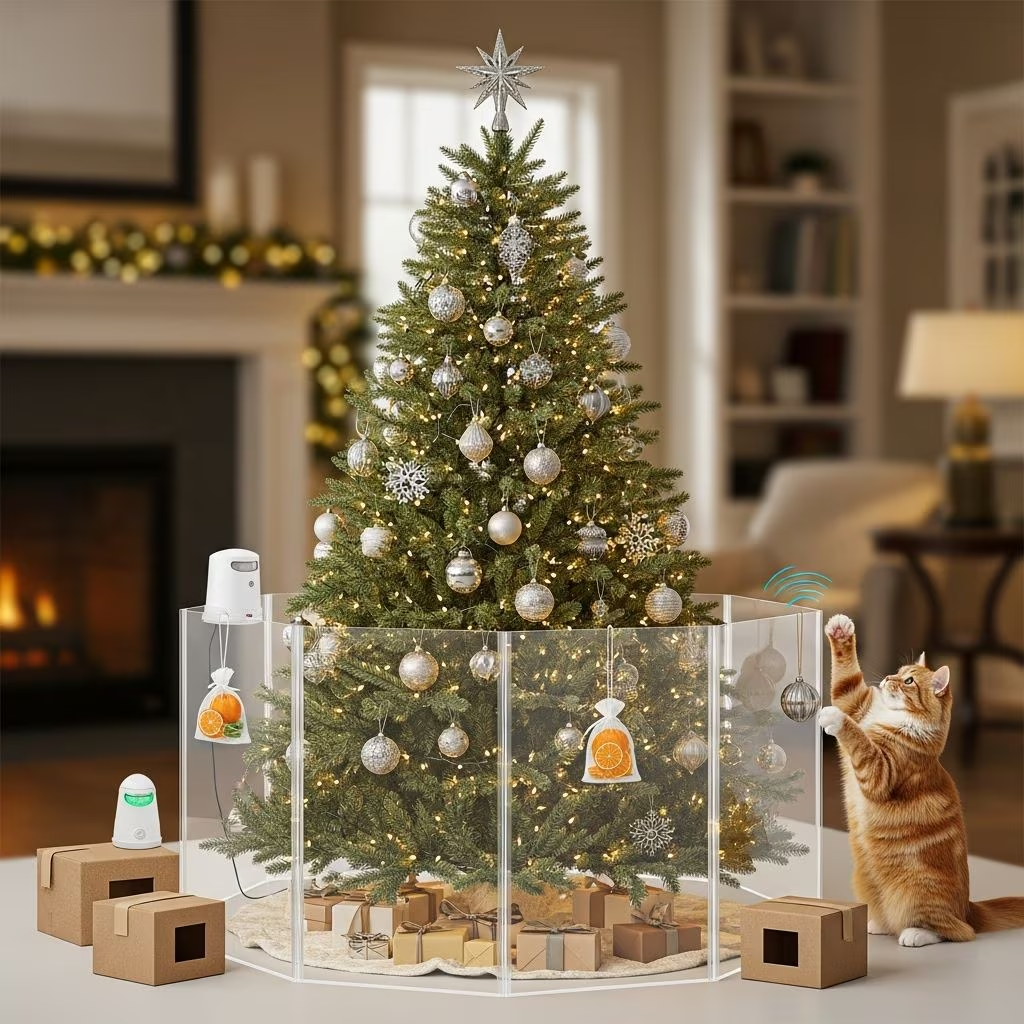
Your holiday season shouldn’t mean choosing between festive cheer and your cat’s safety. Cats view Christmas trees as irresistible playgrounds due to their innate climbing instincts and curiosity toward novel objects. This guide provides comprehensive strategies to safeguard both your decorations and your pet.
The Feline Fascination with Holiday Trees
Cats are wired for elevation, seeking high perches to monitor their environment and evade threats, much like their wild ancestors in trees or on rocks. A towering Christmas tree mimics this natural habitat, offering branches for gripping and heights for surveying. The addition of twinkling lights, swaying ornaments, and unfamiliar scents amplifies the appeal, turning the tree into an ultimate entertainment hub for indoor cats.
In households with multiple cats, group dynamics can intensify interest. Cats may cluster around the tree, scratching to mark territory or even urinating to claim it, leading to potential injuries and household mess. Novelty plays a key role; the tree’s arrival signals something new and exciting, overriding typical disinterest in household items.
Health Risks Posed by Real Christmas Trees
Real trees present multiple dangers beyond mere toppling. Pine needles from common fir varieties are sharp and indigestible, causing vomiting, diarrhea, or intestinal blockages if swallowed. Tree water, often stagnant and bacteria-laden, irritates the mouth and stomach, potentially leading to excessive drooling or gastrointestinal upset.
Chemical preservatives added to prolong tree freshness exacerbate toxicity, making even sips hazardous. Oils from needles can inflame a cat’s sensitive digestive system, resulting in prolonged discomfort. In severe cases, needle ingestion punctures the gut lining, necessitating veterinary intervention.
| Risk Factor | Potential Effects | Prevention Priority |
|---|---|---|
| Pine Needles | Vomiting, blockages | High |
| Tree Water | Irritation, drooling | High |
| Bacterial Growth | Diarrhea, infection | Medium |
| Preservatives | Toxicity, lethargy | High |
Artificial Trees: A Safer Alternative?
Opting for faux trees eliminates needle ingestion risks and toxic water concerns, making them preferable for multi-pet homes. However, they’re not risk-free; cats may still chew plastic branches, mistaking them for toys, or use the structure for climbing. Ensure the tree is sturdy and flame-retardant certified to withstand playful assaults.
Placement is crucial: position artificial trees away from furniture that cats could leap from, reducing launch points for aerial attacks. Secure the base firmly to prevent tipping during enthusiastic explorations.
Strategic Ornament and Decoration Choices
Shiny, dangling baubles mimic prey, inviting bats and pounces. Fragile glass items can shatter, causing cuts or choking hazards. Prioritize shatterproof ornaments on lower branches and reserve heirlooms for upper tiers, securing all with fishing line to minimize swings.
- Avoid tinsel entirely; its string-like form leads to lethal intestinal linear foreign bodies.
- Skip food-based decor like popcorn strings, which attract nibbling and spoil quickly.
- Eschew reflective items that catch light like lasers, overstimulating hunting drives.
- Use lightweight, non-toxic plastics or wood for bottom-half appeal without danger.
Hang cat-specific toys low as diversions, such as feather wands or pom-poms, to redirect energy positively.
Effective Deterrents and Barriers
Physical barriers form the first defense line. Enclose the tree with a pet gate or position it in an inaccessible room initially, allowing gradual supervised introduction. Clear surrounding furniture to eliminate springboards, and cover cords with pet-safe protectors to prevent chewing-induced electrocution.
Scent and texture repellents work well: sprinkle citrus peels or apply lemon sprays around the base, as most cats abhor these aromas. Aluminum foil or double-sided tape creates unpleasant surfaces underfoot. Motion-activated air puffers startle without harm, training avoidance over time.
Redirecting Natural Instincts
Combat tree allure by providing superior alternatives. Install a tall cat tree nearby, ideally green-tinted and festooned with safe decorations like covered lights or dangling toys. Cat grass or branch-like chew toys satisfy nibbling urges without peril.
Boost engagement through daily play sessions with interactive toys, burning excess energy and forging bonds. Positive reinforcement shines: reward tree-ignoring with treats or praise, and scatter catnip on approved perches. Food puzzles transform meals into mental challenges, keeping cats occupied during high-temptation evenings.
Electrical and Lighting Safety Measures
Twinkling lights fascinate but endanger. Cats chew cords for the snap or movement, risking shocks or burns. Wrap extensions in bitter-tasting sleeves or cord covers, and unplug when unsupervised. LED strands run cooler, minimizing burn risks if batted.
Mount lights high or behind barriers, avoiding low loops that invite tugging. Timer plugs automate shutoffs, adding security during cat-alone times.
Training Techniques for Long-Term Success
Consistency underpins training. Never yell or spray water; these heighten stress and rebellion. Instead, interrupt tree approaches with a toy lure, then reward disengagement. Over weeks, cats associate trees with neutrality and alternatives with fun.
Multi-cat homes benefit from individual enrichment plans, preventing territorial flare-ups. Monitor body language: dilated pupils signal intent, allowing preemptive redirection.
Common Holiday Hazards Beyond the Tree
Extend vigilance to poinsettias, holly, and mistletoe, whose toxins induce vomiting or organ damage. Lilies top the danger list, deadly even from pollen brushes. Secure these plants out of reach or choose cat-safe faux versions.
Wrap gifts sans ribbons or strings, prone to ingestion. Fireplaces demand screens, and fatty table scraps invite pancreatitis.
Frequently Asked Questions
Is a real Christmas tree ever safe for cats?
No, due to needles, water, and oils; artificial is safer.
What if my cat drinks tree water?
Monitor for vomiting; contact a vet if symptoms persist.
Can I use tinsel with cats?
Absolutely not—it’s a surgical emergency risk.
How do I stop nighttime tree attacks?
Confine access overnight and provide bedroom enrichment.
Are there cat-safe ornaments?
Yes, opt for plastic, fabric, or wooden non-breakables.
Creating a Festive Cat Sanctuary
Transform rivalry into harmony by designating a “cat holiday zone.” A decorated cat tree with battery-operated toys, heated beds, and puzzle feeders outshines any pine invader. Seasonal catnip stockings or crinkle tunnels add thematic fun safely.
Annual routines build habits: assemble the tree post-cat bedtime, introduce gradually with distractions. This proactive approach ensures merry memories minus mishaps.
References
- Why do cats love Christmas trees? — DVM360. 2023. https://www.dvm360.com/view/why-do-cats-love-christmas-trees-
- How to Cat Proof Your Christmas Tree — Purina US. 2024. https://www.purina.com/articles/cat/behavior/understanding-cats/christmas-safety-for-cats
- Keeping Your Cat Out Of Your Christmas Tree — Class Act Cats. 2023. https://classactcats.com/blog/christmas-trees/
- 6 Tips for Cat Proofing Your Christmas Tree — Blue Mountain Vet. 2024. https://bluemountainvet.com/blog/cat-proof-christmas-tree/
- 8 Ways to Keep Your Christmas Tree Safe from Your Cat — Humane Society of Huron Valley. 2023. https://www.hshv.org/8-ways-to-keep-your-christmas-tree-safe-from-your-cat-and-vice-versa/
- How to Keep Your Cat Out of the Christmas Tree — YouTube (Jackson Galaxy). 2022. https://www.youtube.com/watch?v=70oEOX7PHHc



