

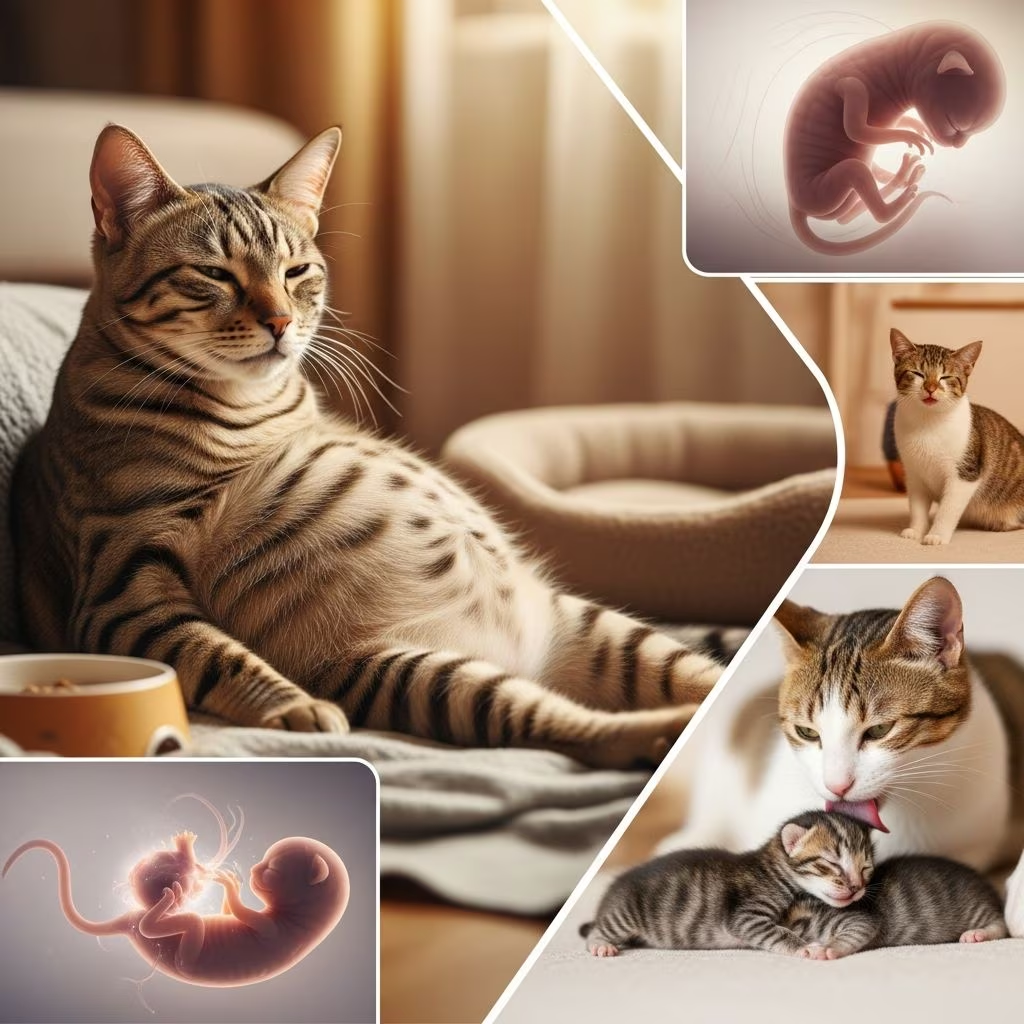
Cat Pregnancy Stages: A Complete Timeline Guide
Cat pregnancy is a fascinating biological process that requires proper understanding and care from pet owners. Unlike human pregnancies that last nine months, cat gestation periods last approximately 63 to 65 days, or about nine weeks. This relatively short timeframe means that fetal development happens rapidly, and physical changes in your pregnant cat can appear suddenly. By understanding the different stages of cat pregnancy, you can provide appropriate care, monitor your cat’s health, and prepare for the arrival of kittens.
How Long Are Cats Pregnant?
The duration of cat pregnancy is significantly shorter than human pregnancy. Cat gestation typically ranges from 60 to 67 days, with an average of 63 to 65 days. Some sources refer to this period as approximately nine weeks or ten weeks, as cats can become pregnant as soon as they reach sexual maturity, around four months of age.
It’s important to note that the gestation period is divided into three trimesters, each lasting approximately 20 days. However, the first two trimesters can be challenging to differentiate at home without veterinary assistance. Understanding these distinct phases helps pet owners recognize what to expect and when to seek veterinary care.
The Three Trimesters of Cat Pregnancy
First Trimester (Days 1-21)
The first trimester is the most subtle stage of cat pregnancy. During the first trimester, there are little to no visible changes seen by most pet parents. This makes early detection challenging without professional veterinary confirmation. However, astute owners might notice some subtle signs:
- A slight increase in appetite
- Behavioral changes such as increased affection or nesting behaviors
- Subtle changes in nipple appearance
- Mild behavioral shifts that may be easily overlooked
During this period, egg fertilization and embryo formation typically occur within one to seven days of conception. The male cat’s sperm reaches viable eggs within 24 hours, after which the cells divide and develop into a blastula, an early-stage embryo. Each embryo implants into the uterine wall where it continues to develop throughout pregnancy.
Second Trimester (Days 21-42)
In the second trimester, more physical signs start to appear as your cat develops a larger belly and noticeable behavioral changes, such as becoming calmer and cuddlier. This is when most pet owners first recognize that their cat is pregnant. The second trimester marks a turning point where pregnancy becomes obvious to observant caregivers.
During this trimester, the kittens begin growing quickly and your cat will continue to gain weight and develop a belly. Physical indicators during this stage include:
- Noticeably enlarged and darkened nipples
- Weight gain and abdominal swelling
- Increased appetite or changes in eating habits
- More obvious maternal instincts
- Possible morning sickness or vomiting
This is an ideal time to schedule a veterinary visit for confirmation and guidance. Your veterinarian will be able to provide valuable guidance on how to care for your cat during her pregnancy and steps you can take to help ensure a successful birthing process.
Third Trimester (Days 42-63)
In the last trimester, pregnancy changes are more significant, with the cat’s belly swelling considerably and increased nipples and breast changes. This final stage of pregnancy involves dramatic physical and behavioral transformations as the mother cat prepares for labor.
During the third trimester, expect the following changes:
- A very large, rounded belly with visible kitten movement
- Extremely swollen and prominent nipples with potential milk leakage
- Increased grooming behavior, including belly and genital area licking
- Shedding of belly fur in preparation for nursing
- Voracious appetite as the mother cat needs extra calories
- Nesting behavior as she seeks out safe, secluded spaces
- Possible loss of appetite as kittens take up more space and press against her stomach
Your cat will start nesting to prepare a spot for their kittens, often hidden away from any disruptions. Providing a comfortable, quiet space with blankets and easy access helps ensure she chooses an appropriate birthing location.
Week-by-Week Pregnancy Progression
Weeks One and Two: Conception and Implantation
During the first week after mating, the male cat’s sperm will find the female cat’s eggs, fertilise them and make the journey to the uterus, where the rest of the pregnancy will develop. At the start of week two, the fertilised eggs that have travelled to the uterus will implant themselves, and begin the process of developing into the growing kittens.
Week Three: Organ Development Begins
During the third week of pregnancy, the kittens begin development in earnest, including their organs. Hormones begin to rage during this week and you will notice changes start to happen to your cat’s body, with their nipples enlarging and turning pink. This is when the first visible signs of pregnancy typically appear to careful observers.
Weeks Four to Six: Rapid Fetal Growth
Embryogenesis occurs around 14 to 28 days in which the critical elements of the body are developed. During this period, the head and tail become distinguishable, and the circulatory and gastrointestinal systems begin to develop. The embryos develop mouths, eyes, ears, legs, and eventually transform into fetuses with developed facial features and teeth formation.
Week Seven: Clear Visual Changes
By the 7th week, it will be very apparent that your cat is pregnant, with a large, rounded belly and the beginning of nesting behavior. She may lose her appetite here and there as the kittens take up more space and press against her stomach. Providing a comfortable resting place throughout her pregnancy helps ensure she chooses that location for birth.
Week Eight: Pre-Labor Stage
During this week, those little kittens will be extremely visible beneath the surface and move around a lot, with you able to feel and see them moving around. Your cat’s nipples will be very large and swollen as labor looms closer, and you will notice your cat seems to be grooming herself a lot, possibly shedding her belly fur. This self-grooming is normal behavior, and the fur will grow back quickly after birth.
Weeks Nine and Ten: Labor Preparation
Around day 60, the kittens will be developed enough to prepare the mother for birth. During these final weeks, your cat may experience clear or bloody discharge from her vulva 12 to 24 hours before she’s ready to give birth. This is the time to gather supplies and prepare a clean, quiet space for delivery.
Physical Signs of Cat Pregnancy
Recognizing pregnancy signs helps you provide appropriate care and know when to seek veterinary assistance. The key physical indicators include:
- Weight gain and increased appetite – One of the earliest signs as the mother needs extra calories to support developing kittens
- Enlarged and darkened nipples – Nipples become pink and swollen as hormonal changes occur
- Swollen belly – Abdominal distension becomes increasingly obvious as pregnancy progresses
- Morning sickness or vomiting – Hormonal changes can cause nausea in early pregnancy
- Visible kitten movement – In later weeks, you can feel or see kittens moving beneath the skin
- Increased grooming – Cats lick their belly and genital areas more frequently in the third trimester
- Fur shedding on the belly – Preparation for nursing and easier kitten access
Behavioral Changes During Pregnancy
Beyond physical signs, pregnant cats exhibit significant behavioral changes that reflect their physiological state and nesting instincts:
- Increased affection – Many pregnant cats become more cuddly and seek attention from their owners
- Nesting behavior – Active searching for safe, comfortable spaces to give birth
- Anxiety or restlessness – Particularly in the final days before labor
- Loss of appetite – As kittens take up more space in the abdomen
- Lethargy or decreased activity – Pregnancy requires significant energy reserves
- Changes in sleep patterns – Pregnant cats may sleep more or have disrupted rest
The Labor and Delivery Process
Understanding labor stages helps you recognize normal birth progression and identify when veterinary intervention might be necessary.
Pre-Labor and First Stage
In the hours before active labor, your cat may exhibit restlessness, pacing, frequent grooming, and vocalization. She may refuse food and seek isolation in her designated birth space.
Second Stage: Active Delivery
In the second stage of labor, a cat will show active signs of straining, which is the stage where the kitten passes through the pelvis, usually taking five to 30 minutes for a single kitten to be delivered. Kittens are born inside a sac of fetal membranes and normally come headfirst. The first kitten is usually born about an hour after labor begins, and then a new kitten should follow roughly every 15 to 20 minutes until all have been born.
Third Stage: Placental Expulsion
The third stage of labor is more passive, as the rest of the fetal membranes and placenta for that kitten are passed, with these membranes normally appearing greenish black, and one placenta should be passed for every kitten. Most cats will naturally clean their newborn kittens and consume the placentas.
Pre-Pregnancy Care Essentials
Pregnant cats should be vaccinated before pregnancy, checked for worms, and fed a special high-calorie diet. These preparations ensure optimal health for both mother and kittens. Before breeding occurs, consult with your veterinarian about:
- Current vaccination status and any needed updates
- Parasite prevention and treatment
- Nutritional requirements and dietary adjustments
- Baseline health assessment
- Genetic screening if applicable
Pregnancy Care Guidelines
Once pregnancy is confirmed, proper care becomes essential for healthy kittens and a safe delivery:
- Provide a quiet, comfortable space away from household stress
- Increase food intake and offer high-quality nutrition
- Ensure fresh water is always available
- Maintain regular veterinary check-ups
- Prepare a designated birthing area with clean blankets
- Monitor for any unusual symptoms or complications
- Limit stress and maintain a calm environment
- Allow normal activity but avoid strenuous exercise
When to Contact Your Veterinarian
Seek immediate veterinary attention if you notice:
- Excessive vaginal bleeding or discharge
- Difficulty breathing or lethargy
- Loss of appetite lasting more than 24 hours
- Signs of pain or distress
- Labor lasting more than 24 hours without kitten delivery
- More than two hours between kitten births
- Inability to deliver the placenta after a kitten
Frequently Asked Questions
Q: Can cats get pregnant at a young age?
A: Yes, cats can become pregnant as soon as they reach sexual maturity, around the age of four months. This is why spaying at a young age is recommended to prevent unwanted pregnancies.
Q: How can I confirm my cat is pregnant?
A: While physical signs like weight gain and enlarged nipples suggest pregnancy, only a veterinarian can confirm pregnancy through physical examination, ultrasound, or other diagnostic methods. Contact your vet if you suspect pregnancy.
Q: How many kittens can a cat have?
A: Litter size varies but typically ranges from 1 to 9 kittens, with an average of 4 to 6. Larger breeds may have larger litters.
Q: Should my pregnant cat be allowed to exercise?
A: Light, normal activity is fine, but avoid strenuous exercise. Allow your cat to move naturally while maintaining a calm environment. Avoid handling or restraining her excessively.
Q: What should I feed a pregnant cat?
A: Pregnant cats require high-calorie, nutrient-rich food. Consult your veterinarian about special pregnancy diets formulated to support fetal development and maternal health. Increased portions may be necessary as pregnancy progresses.
Q: How long after birth will my cat be able to breed again?
A: Cats can become pregnant again while nursing, sometimes within weeks of giving birth. If you don’t plan on more litters, consult your veterinarian about spaying after nursing is complete.
Q: Is it normal for pregnant cats to have multiple litters from different fathers?
A: Yes, a cat can have a litter of kittens from more than one father, depending on how many male cats your girl has mated with. This is called superfecundation.
References
- Cat Pregnancy: Signs, Stages and Care — PetMD. 2024. https://www.petmd.com/cat/conditions/reproductive/cat-pregnancy-and-kittens-complete-guide
- Cat Pregnancy Stages: A Week-by-Week Guide — Canna-Pet®. 2024. https://canna-pet.com/articles/cat-pregnancy-stages-a-week-by-week-guide/
- Cat Pregnancy Timeline: Signs & Stages — Dutch. 2024. https://www.dutch.com/blogs/cats/cat-pregnancy-timeline
- Cat Pregnancy Week by Week: Stages & Calendar — Pets4Homes. 2024. https://www.pets4homes.co.uk/pet-advice/cat-pregnancy-a-week-by-week-pregnancy-calendar.html
- Caring for your pregnant cat — Cats Protection. 2024. https://www.cats.org.uk/help-and-advice/pregnancy-and-kitten-care/caring-for-your-pregnant-cat
- Pregnancy and Parturition in Cats — VCA Animal Hospitals. 2024. https://vcahospitals.com/know-your-pet/pregnancy-and-parturition-in-cats



