

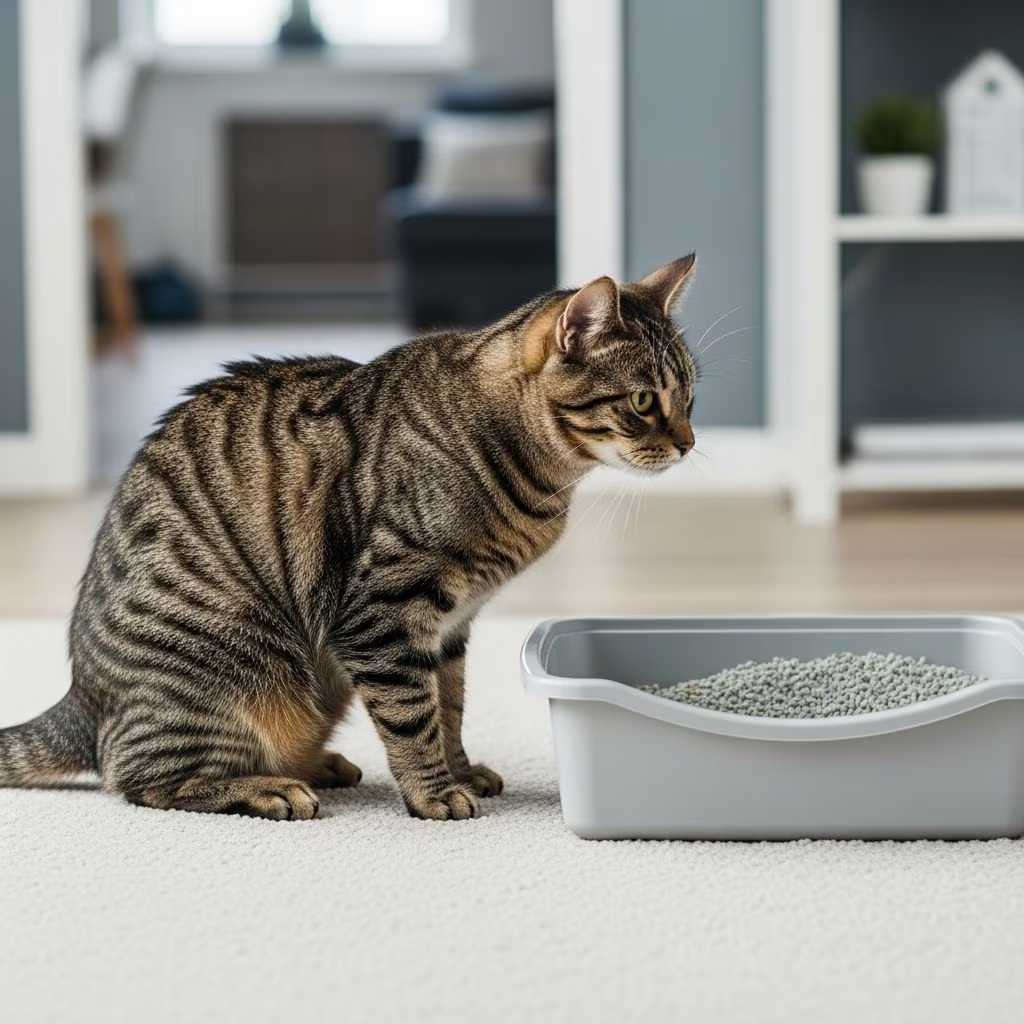
My Cat’s Pooping Outside the Litter Box—What Do I Do?
Discovering that your cat has pooped outside the litter box can be frustrating and concerning for any pet owner. This behavior, known as inappropriate elimination, is more common than you might think, and fortunately, it’s often fixable once you identify the underlying cause. Whether it stems from a medical condition, behavioral issue, or environmental factor, understanding what’s driving this behavior is the first step toward resolution.
7 Reasons Your Cat Is Pooping Outside the Litter Box
1. Underlying Medical Issues
The most common cause of pooping outside the litter box is an underlying health issue that needs to be evaluated by a veterinarian. Medical problems can significantly impact your cat’s litter box habits and should never be ignored. If there is any change to the shape or consistency of the stool, this is especially important to address with your vet.
Several medical conditions can trigger this behavior, including:
- Digestive problems: Constipation, diarrhea, inflammatory bowel disease, and other gastrointestinal issues can cause urgency or pain when defecating, leading cats to avoid the litter box altogether
- Arthritis and mobility issues: Cats with arthritis may experience difficulty entering or exiting the litter box, or find the squatting position uncomfortable. This is particularly common in senior cats
- Urinary tract infections: UTIs can cause discomfort and pain that makes your cat hesitant to use the litter box
- Diabetes and kidney disease: These conditions can lead to increased urination and defecation frequency, potentially making cats feel the litter box is too dirty or inadequate
- Cognitive dysfunction: Similar to dementia in humans, cognitive dysfunction can cause confusion and anxiety in older cats, affecting their litter box habits
- Matted or dirty fur: Long or matted fur around the rectal area can cause pain or discomfort during elimination
Before visiting your veterinarian, observe your cat’s bowel movements carefully and note any abnormalities in frequency, consistency, or appearance. Document any other behavioral changes you’ve noticed, as this information will help your vet make an accurate diagnosis.
2. Litter Box Cleanliness
One of the most straightforward causes of inappropriate elimination is a dirty litter box. Cats are naturally clean animals and have specific preferences about their bathroom environment. If your cat’s litter box hasn’t been scooped recently or is generally unclean, your cat may refuse to use it.
To maintain optimal litter box hygiene, establish a regular cleaning routine. Scoop out waste daily, and completely change the litter at least once a week. Pay special attention to removing clumps promptly, as cats often avoid boxes that don’t meet their cleanliness standards. The condition of the litter box is often the quickest fix for this behavior issue.
3. Litter Box Location and Accessibility
The placement of your litter box plays a crucial role in your cat’s willingness to use it. Cats prefer privacy and feel vulnerable while eliminating, so placing the box in a high-traffic area, near loud appliances, or close to their food and water bowls can cause stress and avoidance.
Ideal litter box locations include quiet corners, spare bathrooms, or laundry rooms where your cat can access the box without feeling exposed or threatened. Additionally, ensure the box is easily accessible to your cat. If you have senior cats or cats with mobility issues, place the box on the same floor where they spend most of their time and avoid elevated locations that require jumping.
4. Litter Box Type and Litter Preference
Cats can be particular about their litter box setup and the type of litter used. Some cats prefer open boxes, while others feel more secure in covered litter boxes. The size of the box matters too—it should be large enough for your cat to move around comfortably and turn around easily.
Different cats have preferences regarding litter texture and composition. Some prefer fine-grained clumping litter, while others may prefer paper-based, pine, or crystal litter. If your cat has recently started pooping outside the box, consider whether you’ve changed litter brands or types. Experimenting with different litters and box styles can help you discover your cat’s preferences.
As a general rule, provide one litter box per cat, plus one extra. This ensures that if one box becomes occupied or dirty, your cat has alternatives available.
5. Stress and Anxiety
Stress and anxiety are among the most common causes of inappropriate elimination in cats. Cats are creatures of habit, and significant changes to their environment or routine can trigger anxiety-related behaviors, including pooping outside the litter box.
Common stressors include:
- Moving to a new home or rearranging furniture
- Introduction of a new pet or family member
- Changes in your work schedule or daily routine
- Loud noises from construction, fireworks, or renovations
- Loss of a family member or another pet
- Conflict with other cats in the household
During stressful periods, provide your cat with extra attention, maintain consistent feeding schedules, and ensure they have safe spaces where they can retreat. Pheromone diffusers designed to calm cats can also help reduce anxiety during transitions.
6. Territorial Marking
While less common, some cats may poop outside the litter box as a form of territorial marking. This behavior is more frequently observed in unaltered cats with intact hormones, though neutered or spayed cats may occasionally exhibit this behavior, particularly in multi-cat households or when they feel threatened.
If territorial marking is the cause, ensuring your cat is spayed or neutered can help reduce this behavior. Additionally, providing multiple litter boxes in different areas of your home can minimize territorial disputes and reduce the need for marking behaviors.
7. Age-Related Changes and Cognitive Decline
Senior cats may experience age-related issues that affect their litter box habits. Arthritis makes the jumping or squatting required to use a litter box painful or difficult. Cognitive dysfunction, similar to dementia in humans, can cause confusion and forgetfulness about where the litter box is located or how to use it.
For older cats, consider providing lower-sided litter boxes that require minimal jumping and effort to enter and exit. Additionally, ensure the boxes are easily visible and accessible from areas where your senior cat spends most of their time. Placing additional boxes throughout your home can also help elderly cats access a box before accidents occur.
Steps to Stop Your Cat from Pooping Outside the Litter Box
Schedule a Veterinary Examination
Your first step should always be to consult with your veterinarian. A professional can rule out medical conditions through physical examination, bloodwork, and fecal analysis. Never assume behavioral issues without first eliminating medical causes, as many health conditions can mimic behavioral problems.
Optimize Your Litter Box Setup
Evaluate your current litter box arrangement. Ensure you have enough boxes for your household (one per cat plus one extra), keep them scrupulously clean, and position them in quiet, accessible locations away from food and water bowls. Experiment with different litter types and box styles if necessary.
Identify and Minimize Stressors
Look for any recent changes in your cat’s environment or routine that might be causing stress. If possible, minimize these stressors or help your cat adjust gradually to changes. Use pheromone products and maintain consistent routines to help your cat feel secure.
Clean Accidents Thoroughly
When cleaning up accidents outside the litter box, use enzymatic cleaners specifically designed for pet waste. These cleaners break down the odor completely, whereas regular cleaners may leave scent markers that encourage your cat to reuse the same spot.
Never Punish Your Cat
Do not punish your cat for pooping outside the litter box. Punishment can damage your relationship with your cat, increase anxiety, and actually worsen the problem. Instead, focus on identifying and addressing the underlying cause while maintaining a calm, supportive environment.
Frequently Asked Questions
Q: Is pooping outside the litter box always a sign of a medical problem?
A: While medical issues are the most common cause, pooping outside the litter box can also result from behavioral issues, stress, or environmental factors. However, medical conditions should always be ruled out first by a veterinarian.
Q: How often should I clean my cat’s litter box?
A: Scoop out waste daily to maintain cleanliness. Completely change the litter and clean the box thoroughly at least once weekly. Some cats prefer even more frequent cleaning.
Q: Can moving to a new home cause my cat to poop outside the litter box?
A: Yes, moving is a significant stressor for cats. During this transition, maintain consistent routines, set up the litter box immediately, and provide a safe, quiet space for your cat to adjust gradually.
Q: Should I get a covered litter box?
A: This depends on your cat’s preference. Some cats prefer privacy and feel secure in covered boxes, while others find them claustrophobic. Try both styles to see which your cat prefers.
Q: What should I do if my cat continues pooping outside the litter box despite my efforts?
A: Consult with your veterinarian again, as new symptoms may have developed. You might also consider working with a certified cat behaviorist who can assess your specific situation and recommend tailored solutions.
References
- Why Is My Cat Pooping Outside the Litter Box? — PetMD. 2024. https://www.petmd.com/cat/behavior/why-is-my-cat-pooping-outside-litter-box
- Cat Pooping Outside of the Litterbox: 6 Tips to Stop It — Embassy Lakes Animal Hospital. 2024. https://embassylakesanimalhospital.com/blog/cat-pooping-outside-litterbox/
- Why is my Cat Pooping Outside the Litterbox? — Mountain View Animal Hospital. 2024. https://mvavets.com/blog/cat-pooping-outside-litterbox/
- My Cat’s Pooping Outside the Litter Box–What Do I Do? — Chewy Education. 2024. https://www.chewy.com/education/cat/training-and-behavior/my-cat-is-pooping-outside-the-litter-box
- Why Is My Cat Pooping on the Floor? — WOFA Inc. 2024. https://wofainc.com/blog/why-is-my-cat-pooping-on-the-floor/
- What to do if Your Cats are Not Using the Litter Box — Arm & Hammer. 2024. https://www.armandhammer.com/en/articles/cats-not-using-the-litter-box
- How to Fix your Cat Pooping Outside the Litter Box?? | Vet Explains — YouTube. 2024. https://www.youtube.com/watch?v=8GP8J98l3-E



