

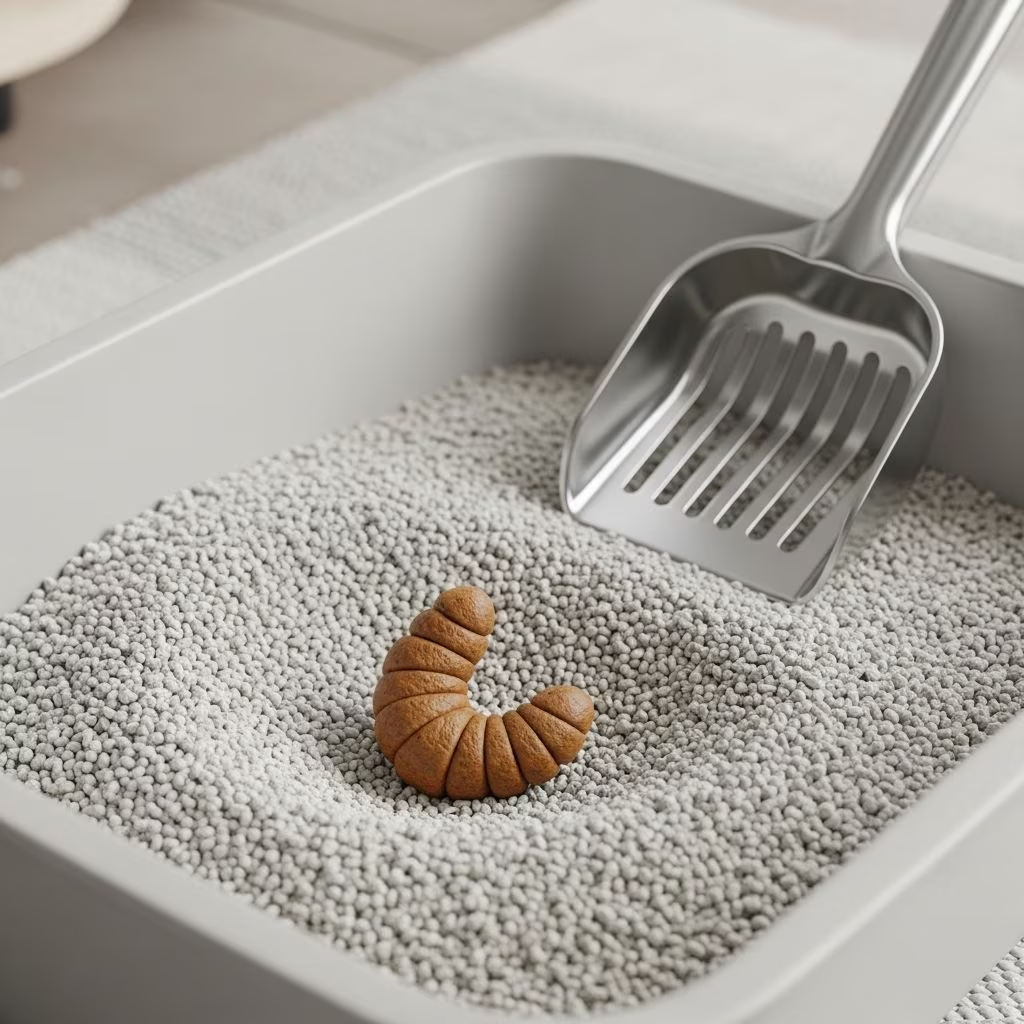
Your cat’s poop is a vital window into their overall health. While scooping the litter box might not be glamorous, observing the color, consistency, content, and smell of your cat’s stool can help you spot potential issues early, from digestive upset to serious conditions like parasites or infections. Healthy cat poop is typically medium to dark brown, well-formed but not rock-hard, segment-shaped, and free of foreign objects or unusual odors. Any sudden changes warrant attention, as they could signal dietary problems, stress, or underlying disease.
Understanding these clues empowers cat parents to act quickly. This guide breaks down normal versus abnormal cat poop, common problems, diagnosis, prevention tips, and when to consult a vet, drawing from veterinary insights to keep your feline thriving.
What Healthy Cat Poop Looks Like
Healthy cat stool serves as a benchmark for digestion. It indicates that your cat is properly processing food, absorbing nutrients, and eliminating waste efficiently.
- Color: Medium to dark brown, reflecting balanced bile and nutrient absorption. This hue comes from bilirubin processed by the liver.
- Consistency: Firm yet malleable—like modeling clay or Play-Doh. It should form log-like segments (2-3 per poop) that hold shape but aren’t pebble-hard or mushy.
- Shape and Size: Cylindrical, about 1-2 inches long per segment. A single log or a few connected pieces is ideal.
- Content: Just poop—no worms, blood, mucus, or foreign items like plastic or string.
- Smell: Unpleasant but not overwhelmingly foul. A mild earthy odor is normal; gag-inducing smells suggest issues.
- Frequency: 1-2 times daily, without straining or accidents outside the box.
Variations can occur with diet (e.g., softer after wet food) or age (kittens have looser stools), but consistency over days is key.
Cat Poop Color Chart: What Different Colors Mean
Color shifts often stem from diet, bile, blood, or organ dysfunction. Use this guide to interpret hues.
| Color | Appearance | Possible Causes | Action |
|---|---|---|---|
| Brown (Medium-Dark) | Normal log shape | Healthy digestion | Monitor |
| Black/Tarry | Sticky, shiny | Upper GI bleeding (ulcers) | Vet immediately |
| Red/Bloody | Bright streaks | Lower GI issues, colitis, parasites | Vet ASAP |
| Gray/Greasy | Oily sheen | Pancreas/gallbladder problems | Vet exam |
| Yellow/Green/Orange | Tinged, soft | Liver disease, infections, parasites | Vet check |
| White/Pale | Clay-like | Bile duct obstruction, liver failure | Emergency vet |
Black stool signals digested blood from stomach ulcers; red indicates fresh blood lower in the tract. Pale or gray points to maldigestion.
Cat Poop Consistency: Normal vs. Abnormal
Texture reflects hydration, gut motility, and absorption. Ideal is soft enough to scoop easily but firm enough to retain shape.
- Hard/Pelleted: Small, dry balls signal dehydration or constipation. Causes: low fiber, inadequate water, megacolon. Remedy: add wet food, pumpkin, or laxatives (vet-approved).
- Soft/Mushy: Temporary from stress, diet changes, or overeating. Persistent? Check for allergies or IBD.
- Watery/Diarrhea: Urgent if profuse. Triggers: parasites, bacteria (e.g., Salmonella), viruses, toxins, hyperthyroidism, or cancer. Kittens/puppies dehydrate fast.
- Mucus-Coated: Indicates colitis or rectal inflammation.
Stress or new food can soften stool briefly, but lasting changes need probing.
Content in Cat Poop: What Shouldn’t Be There
Healthy poop is homogeneous. Visible extras are red flags.
- Parasites: Tapeworms (rice segments), roundworms (spaghetti strands), hookworms (bloody tint). Common in flea-exposed or outdoor cats.
- Undigested Food: Suggests rapid transit or malabsorption.
- Foreign Objects: String, plastic, bones—risk of obstruction. Blockages can be fatal.
- Blood/Mucus: Inflammation or clotting issues.
Worms visible in heavy infestations; fecal tests detect hidden ones.
Smell of Cat Poop: When It’s a Warning Sign
Normal odor is pungent but tolerable. Abnormal stench signals bacterial overgrowth, parasites (e.g., Coccidia, Tritrichomonas), or maldigestion. Fishy smells hint at malabsorption; rancid points to pancreas issues. If it clears the room, test for infections.
Signs of Unhealthy Cat Poop
Sudden shifts correlate with illness. Watch for:
- Abrupt color/consistency changes
- Increased frequency or straining
- Litter box avoidance or accidents
- Lethargy, vomiting, appetite loss
- Weight changes or dehydration
Track alongside food/water intake and behavior.
Common Causes of Digestive Problems in Cats
- Dietary Indiscretion: Eating garbage, table scraps, or milk (lactose intolerant).
- Parasites: Worms inflame gut, causing diarrhea/color shifts.
- Infections: Bacterial/viral; protozoa like Giardia.
- Stress: Moves, new pets—alters motility.
- Chronic Diseases: IBD, hyperthyroidism, kidney disease, cancer.
- Toxins: Lilies, antifreeze—emergency.
Outdoor cats face higher parasite risk.
Is Cat Poop Dangerous for Humans?
Generally safe with hygiene, but Toxoplasma gondii in feces risks toxoplasmosis. Healthy adults rarely symptomatic; pregnant women risk fetal harm—avoid litter duties or use gloves. Daily scooping inactivates oocysts (48+ hours infective). Indoor cats on preventives lower risk.
How Vets Diagnose Digestive Issues from Poop
Bring a fresh fecal sample. Vets perform:
- Fecal flotation/PCR for parasites
- Microscopy for bacteria/protozoa
- Bloodwork for organ function
- Imaging (X-ray/ultrasound) for obstructions
- Endoscopy/biopsy for IBD
Your history (diet, symptoms) guides tests. Early intervention prevents escalation.
Litter Box Tips for Healthy Digestion
A clean, appealing box encourages regular habits.
- Scoop daily; full changes weekly.
- One box per cat +1; low-sided for seniors.
- Quiet, accessible location.
- Test litter preferences gradually.
Box issues mimic illness—rule out first.
How to Prevent Digestive Problems in Cats
- Deworming/Flea Control: Monthly preventives kill parasites before symptoms.
- Balanced Diet: High-quality food; transition slowly.
- Hydration: Fountains, wet food combat constipation.
- Stress Reduction: Pheromones, routines, enrichment.
- Annual Vet Checks: Fecal screens catch subclinical issues.
- Indoor Living: Limits parasite/toxin exposure.
Probiotics aid gut flora post-antibiotics.
When to Take Your Cat to the Vet for Poop Issues
Call if:
- Diarrhea >24-48 hours (esp. kittens/seniors)
- Blood, black stool, or worms
- Straining without output
- Accompanied by vomiting/lethargy
- Persistent changes despite diet tweaks
Don’t wait—dehydration hits fast.
Bottom Line: Healthy Cat Digestion
Cat poop is a health dashboard. Normal is brown, formed, odor-manageable. Deviations flag action—from simple diet fixes to vet care. Routine monitoring and preventives ensure smooth digestion and long life.
Frequently Asked Questions (FAQs)
What does healthy cat poop look like?
Dark brown, firm but malleable, log-shaped, no extras.
Why is my cat’s poop green?
Likely liver/gallbladder issues, parasites, or infection—see vet.
Is cat diarrhea always serious?
Not if brief, but persistent cases need fecal tests for parasites/disease.
How often should cats poop?
1-2 times daily; less signals constipation.
Can I treat cat worms at home?
No—vet-prescribed dewormers required; over-the-counter risks resistance.
References
- Everything You Need to Know About Cat Poop — Kinship. 2023. https://www.kinship.com/cat-health/cat-poop-health
- Inside Scoop on Cat Poop — ASPCA Pet Health Insurance. 2024-01-15. https://www.aspcapetinsurance.com/resources/inside-scoop-on-cat-poop/
- Cat Poop: A Comprehensive Guide — Hill’s Pet Nutrition. 2023-05-10. https://www.hillspet.co.za/cat-care/healthcare/cat-poop-appearance-and-health
- Guide to Types of Cat Poop — Purina. 2024. https://www.purina.com/articles/cat/health/digestion/cat-poop-types-color-guide
- Vet Approved Cat Stool Chart — Cats.com. 2025-03-20. https://cats.com/cat-stool-chart



