

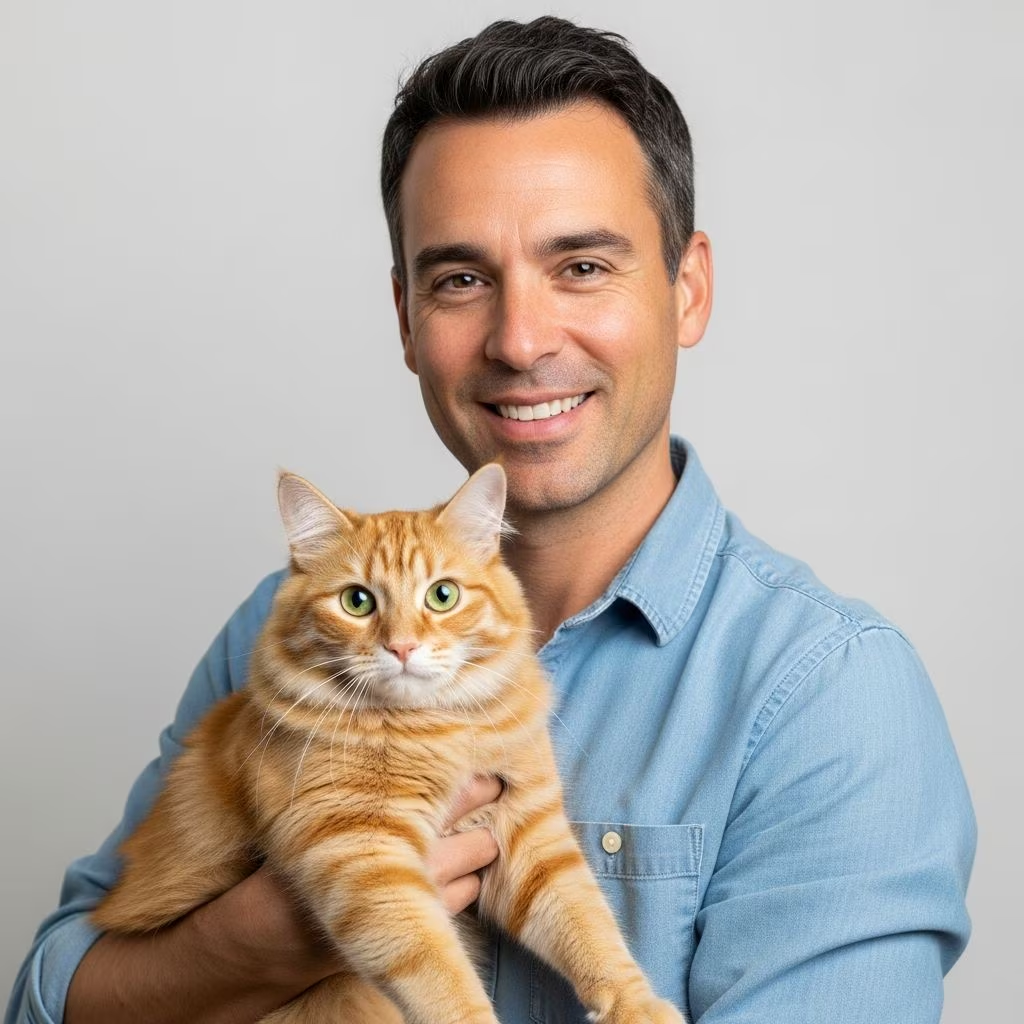
Andrew Marttila stands out as one of the world’s most talented cat photographers. His captivating images showcase celebrity cats, shelter rescues, and everyday house cats, each revealing intricate details that perfectly encapsulate the cat’s unique essence. Despite holding a degree in neuroscience, Marttila pivoted to a full-time photography career as his social media presence exploded during his final year of studies. His work has reached millions through numerous publications, articles, and galleries. He served as the photographer for the acclaimed book Shop Cats of New York, published in November 2016. Remarkably, Marttila once suffered severe allergies to cats but now shares his life with girlfriend Hannah Shaw (known as The Kitten Lady), their three cats, and a steady stream of foster kittens near Washington, D.C.
In this in-depth Q&A, Marttila shares his journey into cat photography, professional advice for enthusiasts, and memorable stories from his shoots. Whether you’re a novice snapping photos of your own cat or aiming to elevate your skills, these insights provide invaluable guidance.
Andrew Marttila Interview
1. How did you get started photographing cats?
Marttila’s passion ignited with his own cat, Haroun. Eager to document the kitten’s growth, he borrowed a friend’s camera and experimented with settings over several days until achieving solid results. After sharing the images online, friends and family noticed something extraordinary in his style, urging him to launch a dedicated social media account for cat photos. That was 5½ years ago, marking the start of his professional journey.
Today, with over a decade of experience, Marttila has captured hundreds of thousands of feline images featured globally, from National Geographic covers to Good Morning America segments. He’s authored books like Cats of the World, Shop Cats of New York, Cats on Catnip, and How to Take Awesome Photos of Cats. His work extends to licensing content and teaching workshops for brands like Adobe and Canon.
2. What gear do you recommend for cat photography?
While Marttila emphasizes that passion trumps expensive equipment, he recommends starting with a DSLR or mirrorless camera featuring a full-frame sensor for superior low-light performance—crucial since cats often thrive in dim environments. A versatile lens like a 24-70mm f/2.8 offers flexibility for various shots, from tight portraits to wider environmental captures.
- Camera Body: Full-frame models excel in low light, reducing noise in indoor settings where cats play.
- Lenses: 50mm f/1.8 for creamy bokeh; 85mm f/1.8 for stunning portraits; 70-200mm f/2.8 for distant or shy cats.
- Accessories: Tripod for stability; speedlight with diffuser for natural-looking fill light; extra batteries and memory cards.
For beginners on a budget, he suggests smartphone attachments like clip-on lenses to enhance depth of field. Marttila learned through trial and error, relying on YouTube tutorials rather than formal training, proving that hands-on practice builds expertise. His neuroscience background adds a unique analytical edge to observing cat behavior.
3. How do you get cats comfortable for a photoshoot?
In 95% of sessions, Marttila meets the cats for the first time. His strategy: Spend 10-15 minutes—or longer if needed—letting them adjust to his presence before unpacking the camera. He avoids rushing, using treats, catnip, and toys to build trust and signal he’s friendly.
Relaxed cats yield the best photos, so patience is key. Marttila lets felines dictate the action, following their lead rather than staging scenes. This approach captures authentic personalities, as cats resist forced poses. He notes, “Photographing cats presents a unique challenge—they don’t follow commands and frankly don’t care about what you’re up to.” Bribery with catnip and treats helps acclimation.
Pro tips include:
- Enter quietly and sit low to appear non-threatening.
- Offer high-value treats like Churu or tuna to associate you with positivity.
- Use interactive toys like feather wands to engage without overwhelming.
- Observe body language: Relaxed ears and tail mean they’re ready for photos.
4. What is the most challenging experience you had while photographing a cat?
Some cats outright reject the photographer, and Marttila respects that, never forcing interactions. One cat once clawed under a couch, sending a clear “no thanks” message. The toughest were Shop Cats of New York shoots: Just 20 minutes in bustling NYC stores with distracted cats ignoring schedules. Capturing quality images amid chaos was grueling, but the results astound him.
Busy environments amplify challenges—cats nap when you need action or bolt during peak light. Marttila’s trial-and-error method shines here: Adapt to the cat’s mood, using bursts of high-speed shooting to nail fleeting moments.
5. What is the funniest experience you had while photographing a cat?
Cats on Catnip sessions top the list for hilarity. Cats encountering massive catnip doses for the first time erupted in wild freakouts—zoomies, rolls, and blissed-out stares—that Marttila captured alongside amused guardians. These unscripted moments highlight catnip’s euphoric effects, making for dynamic, joyful images.
Another gem: A 6-hour drive to Virginia to surprise a cat mom with portraits of her ginger duo, Seamus and Angus. Posing as unavailable, he arrived unannounced, eliciting pure elation. Home shoots with excited fans flatter him, delivering pets’ true selves in familiar spaces.
6. How do you handle lighting and backgrounds?
Natural light is Marttila’s preference—position cats near bright windows for soft, flattering illumination without harsh shadows. For indoors, he uses reflectors or diffused speedlights to mimic daylight. Avoid cluttered backgrounds; opt for plain walls or blurred environments via wide apertures.
Follow the cat outdoors during golden hour (sunrise/sunset) for warm tones. Key: Let cats lead; scenery emerges organically, revealing personality better than contrived setups.
Books and Projects
Marttila’s portfolio boasts bestsellers:
| Book Title | Release Year | Description |
|---|---|---|
| Shop Cats of New York | 2016 | Portraits of NYC store cats in their workspaces. |
| Cats on Catnip | N/A | Hilarious reactions to catnip overloads. |
| Cats of the World | N/A | Global feline diversity. |
| How to Take Awesome Photos of Cats | N/A | Practical guide for owners. |
These projects blend artistry with advocacy, supporting rescues like Orphan Kitten Club.
Frequently Asked Questions (FAQs)
What camera should beginners use for cat photos?
Start with any DSLR/mirrorless; prioritize full-frame for low light. Budget option: Smartphones with lens attachments.
How long to wait before photographing a new cat?
10-15 minutes minimum; use treats/catnip until relaxed.
Best lens for cat portraits?
50mm or 85mm prime lenses for sharp focus and bokeh.
Do you need formal training?
No—trial/error and YouTube suffice.
Outdoor vs. indoor cat photography?
Both work; natural light indoors, golden hour outside.
Follow Andrew on Instagram @iamthecatphotographer and his site for more inspiration. All photos ©Andrew Marttila, used with permission.
References
- ABOUT — I AM THE CAT PHOTOGRAPHER — Andrew Marttila. Accessed 2026. https://www.iamthecatphotographer.com/about
- INTERVIEW WITH CAT PHOTOGRAPHER ANDREW MARTTILA — The Catnip Times. Accessed 2026. https://www.thecatniptimes.com/cat-news/interview-cat-photographer-the-great-went-andrew-marttila/
- Cat Photography Q&A With Andrew Marttila — Catster. Accessed 2026. https://www.catster.com/lifestyle/cat-photography-qa-with-andrew-marttila/
- Andrew Marttila — Penguin Random House. Accessed 2026. https://www.penguinrandomhouse.com/authors/2213471/andrew-marttila/



