

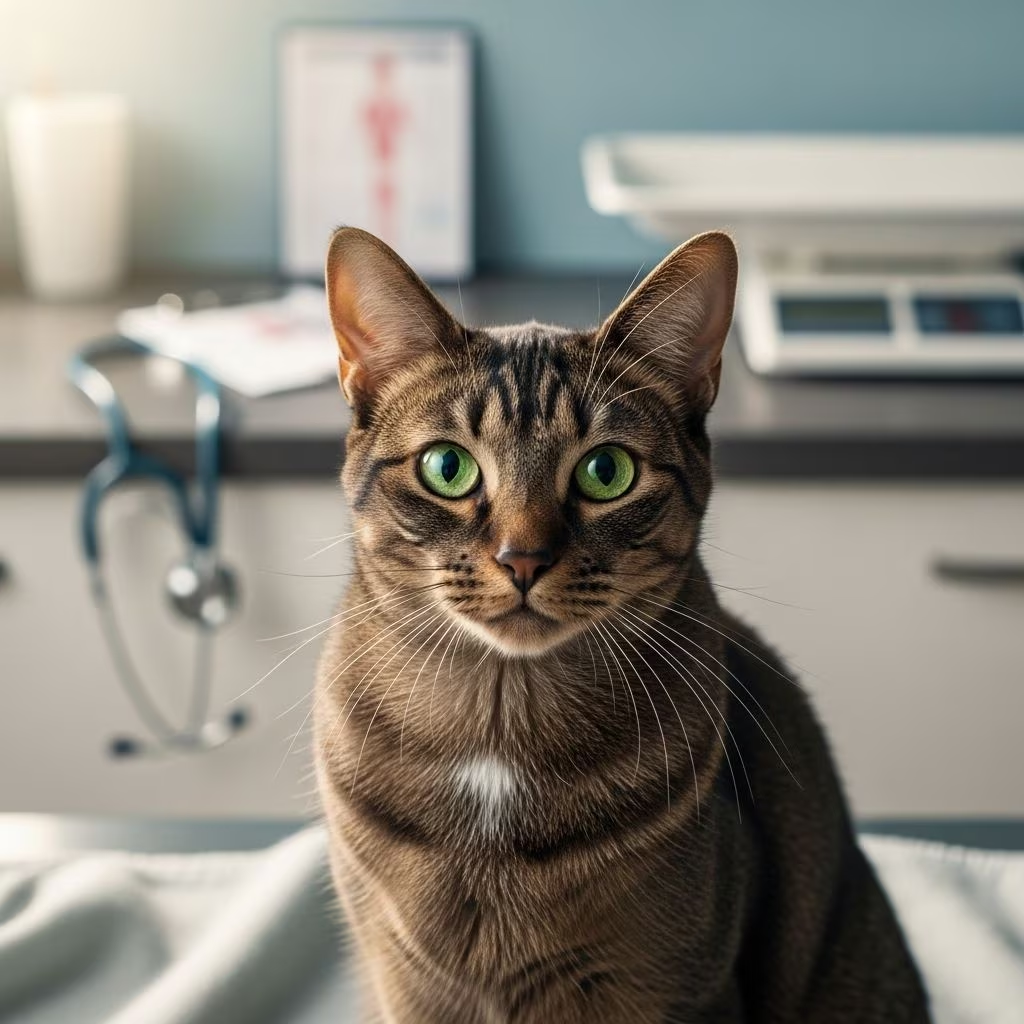
Understanding Pet Wellness Plans for Cats
Pet wellness plans are specialized coverage options designed to help cat owners manage the costs of routine preventive care throughout the year. Unlike traditional pet insurance that covers accidents and illnesses, wellness plans focus specifically on keeping your cat healthy through regular maintenance and preventive services. These plans work by charging a monthly fee in exchange for coverage of essential wellness services, making it easier for cat parents to stay on top of their feline’s health without facing unexpected large bills.
Wellness plans can typically be added to accident-only or accident and illness plans for an additional monthly fee, creating a comprehensive approach to your cat’s overall healthcare. By enrolling in a wellness plan, you’re making a proactive investment in your cat’s long-term health and wellbeing, helping to catch potential health issues before they become serious problems.
What Do Pet Wellness Plans Cover?
Pet wellness plans typically include a variety of essential preventive services designed to maintain your cat’s optimal health. Most plans have benefit payout limits, so it’s important to review the policy details carefully or contact the provider before signing up to understand exactly what your plan covers and any limitations.
The following services are commonly included in cat wellness plans:
Annual Wellness Exams
One of the cornerstone components of any wellness plan is coverage for annual veterinary wellness exams. During these comprehensive physical examinations, your veterinarian will perform a thorough head-to-toe assessment of your cat’s health. This includes examining their ears, eyes, coat condition, mouth, and muscle mass. Your vet will also listen to your cat’s heart and palpate their belly for any early signs of potential health concerns. These exams are crucial for catching health issues in their earliest stages when they’re most treatable.
Vaccinations
Wellness plans make it more affordable to protect your cat from preventable diseases through routine vaccinations. Coverage typically includes essential vaccines such as rabies, feline leukemia virus (FeLV), and feline viral rhinotracheitis, calicivirus, and panleukopenia (FVRCP). Kittens require more frequent vaccinations to build immunity, while adult cats may need boosters based on their health status and lifestyle.
Flea, Tick, and Heartworm Prevention
Preventive medications for parasites are essential components of cat wellness care. Many wellness plans cover preventive treatments for external parasites like fleas and ticks, as well as heartworm prevention and intestinal parasite medications. These preventive measures are far more cost-effective than treating infestations or infections after they occur.
Routine Blood Work
Regular blood work is extremely helpful for maintaining your cat’s health, allowing your veterinarian to catch common diseases early on, such as kidney disease, diabetes, and thyroid disorders. Many wellness plans include annual or routine bloodwork as part of their coverage, making it easier to monitor your cat’s internal health status.
Fecal and Urine Tests
Fecal testing allows your veterinarian to screen for internal parasites by examining a stool sample from the last 24 hours. Urine tests provide valuable insights into your cat’s kidney function and overall urinary health. These diagnostic tests are typically included in wellness plans and are essential for comprehensive preventive care.
Spay and Neuter Surgeries
Many wellness plans provide reimbursement up to a certain amount for routine spay and neuter procedures. These surgeries are critical preventive health measures that prevent reproductive diseases and unwanted litters while also reducing certain behavioral issues.
Additional Benefits
Some pet wellness plans offer extra perks beyond the basic coverage. These may include microchip implantation to help identify your cat if lost, professional dental cleanings to prevent dental diseases, and even access to virtual veterinary chat services for health questions and concerns.
How Wellness Plans Work for Different Cat Life Stages
Your cat’s wellness needs change throughout their life, and the best wellness plans take these changing requirements into account. Understanding what your cat needs at each stage of life can help you choose the most appropriate plan.
Kittens (Up to 1 Year Old)
Young kittens require the most frequent veterinary visits and comprehensive preventive care to establish a strong health foundation. Wellness services for kittens should include:
- Multiple wellness exams to monitor growth and development
- FeLV/FIV testing to establish baseline health status
- Heartworm testing
- Complete vaccination series including rabies, FeLV, and FVRCP vaccines
- Fecal testing for parasite screening
- Parasite prevention medication
- Microchipping for identification purposes
- Spay or neuter surgery when age-appropriate
Adult Cats (1-6 Years Old)
Adult cats require ongoing preventive care to maintain their health and catch emerging issues early. Essential wellness services for adult cats include:
- Annual wellness exams to monitor overall health
- Vaccine boosters for rabies, FeLV, and FVRCP based on health status and lifestyle
- Annual fecal testing
- Screening bloodwork and urinalysis
- FeLV/FIV testing as needed
- Parasite prevention medication
- Microchipping if not previously done
- Professional dental care and cleanings
Senior Cats (7 Years and Older)
Senior cats have specialized healthcare needs and require more frequent monitoring and testing. In addition to all the services provided to adult cats, senior wellness plans typically include:
- Twice-yearly physical exams instead of just annual exams
- More extensive senior bloodwork panels to screen for age-related conditions
- Comprehensive urinalysis
- Thyroid hormone testing
- Blood pressure assessment to monitor for hypertension
- Additional screenings for kidney disease, diabetes, and other senior conditions
Benefits of Choosing a Pet Wellness Plan
Enrolling your cat in a wellness plan offers numerous advantages beyond simply budgeting for preventive care. A wellness plan gives you peace of mind knowing that all or most of your cat’s preventive appointments are already covered. Rather than facing intermittent large bills when multiple services are needed, a wellness plan allows you to spread expenses across monthly payments, making veterinary care more manageable and predictable for your household budget.
Additionally, having a wellness plan in place makes it more likely you’ll schedule your cat’s routine exams and wellness care on schedule. This consistency in preventive care is crucial for maintaining your cat’s long-term health and catching potential problems early when they’re easier and less expensive to treat.
Signing Up for a Cat Wellness Plan
When selecting a wellness plan, you should choose one that fits your specific cat’s age and healthcare needs. If you have questions about which plan would be the best fit for your cat, consulting with your veterinarian about your cat’s ongoing preventive care needs is highly recommended.
Different plans offer varying levels of coverage at different price points. For example, a basic wellness plan might cost around $11 per month and include coverage for one wellness exam, one fecal test, three vaccines, and either one heartworm test or one FeLV/FIV test. A more comprehensive plan might cost approximately $17 per month and include all the basic coverage plus professional dental cleaning and flea, tick, or heartworm medication.
Many cat parents combine a wellness plan with accident-only insurance to create a comprehensive coverage strategy. This approach allows you to have preventive care covered through the wellness plan while maintaining protection against unexpected accidents or illnesses through traditional insurance coverage.
Wellness Plans vs. Traditional Pet Insurance
It’s important to understand the distinction between wellness plans and traditional pet insurance. While they’re often discussed together, they serve different purposes in your cat’s healthcare coverage. Traditional pet insurance typically covers accidents and illnesses, including unexpected veterinary emergencies and treatments for diagnosed conditions. Wellness plans, by contrast, focus exclusively on preventive care and routine maintenance.
Many pet owners find that combining both types of coverage provides the most comprehensive protection. The wellness plan ensures that routine preventive care is affordable and accessible, while traditional insurance protects against unexpected health crises or serious illnesses that could result in substantial veterinary bills.
Understanding Coverage Limitations
Most wellness plans have annual benefit payout limits on individual services. This means that while a service might be covered, there may be a maximum reimbursement amount per service per year. For instance, a plan might reimburse $40-$80 per service annually, with an overall maximum annual reimbursement limit. It’s crucial to review your specific plan’s policy details carefully to understand these limitations before enrolling.
Frequently Asked Questions About Cat Wellness Plans
Q: What is the average yearly cost for cat wellness care?
A: Average yearly costs for comprehensive cat wellness care typically range from $500-$2,000 depending on your location, your veterinarian, and the specific services needed. A wellness plan can help distribute these costs through monthly payments rather than lump-sum expenses.
Q: How often should my cat have wellness exams?
A: The frequency depends on your cat’s age and health status. Kittens require more frequent visits, typically every 3-4 weeks until fully vaccinated. Adult cats generally need one wellness exam per year, while senior cats (7 years and older) typically benefit from twice-yearly exams.
Q: Does my wellness plan cover emergency veterinary care?
A: No, wellness plans focus on preventive care only. For emergency care and illness treatment, you would need traditional pet insurance coverage or be prepared to pay out-of-pocket for emergency services.
Q: Can I add a wellness plan to existing pet insurance?
A: Yes, wellness plans can typically be added to accident-only or accident and illness insurance plans for an additional monthly fee, creating comprehensive coverage for both preventive care and unexpected health issues.
Q: What happens if I cancel my wellness plan?
A: If you cancel your wellness plan, you typically lose coverage for future preventive services. Your veterinarian will no longer reimbursement claims under the plan. Some providers may have specific cancellation policies, so check your plan documents.
Q: Are there age limits for enrolling in a wellness plan?
A: Most wellness plans accept cats at any age, from kittens through seniors. However, specific eligibility requirements may vary by provider, so it’s best to check with your specific plan provider.
References
- Wellness Plans for Cats — PetMD. 2024. https://www.petmd.com/cat/general-health/wellness-plans-cats
- What Is a Pet Wellness Plan? What Does It Cover? — Chewy. 2024. https://www.chewy.com/education/cat/health-and-wellness/pet-wellness-plan
- Pet Wellness: How to Help Your Pet Live a Long, Happy Life — Chewy. 2024. https://www.chewy.com/education/dog/health-and-wellness/pet-wellness
- What Is Pet Insurance: A Complete Guide — Chewy. 2024. https://www.chewy.com/education/dog/health-and-wellness/pet-health-insurance-what-every-pet-parent-needs-to-know



