

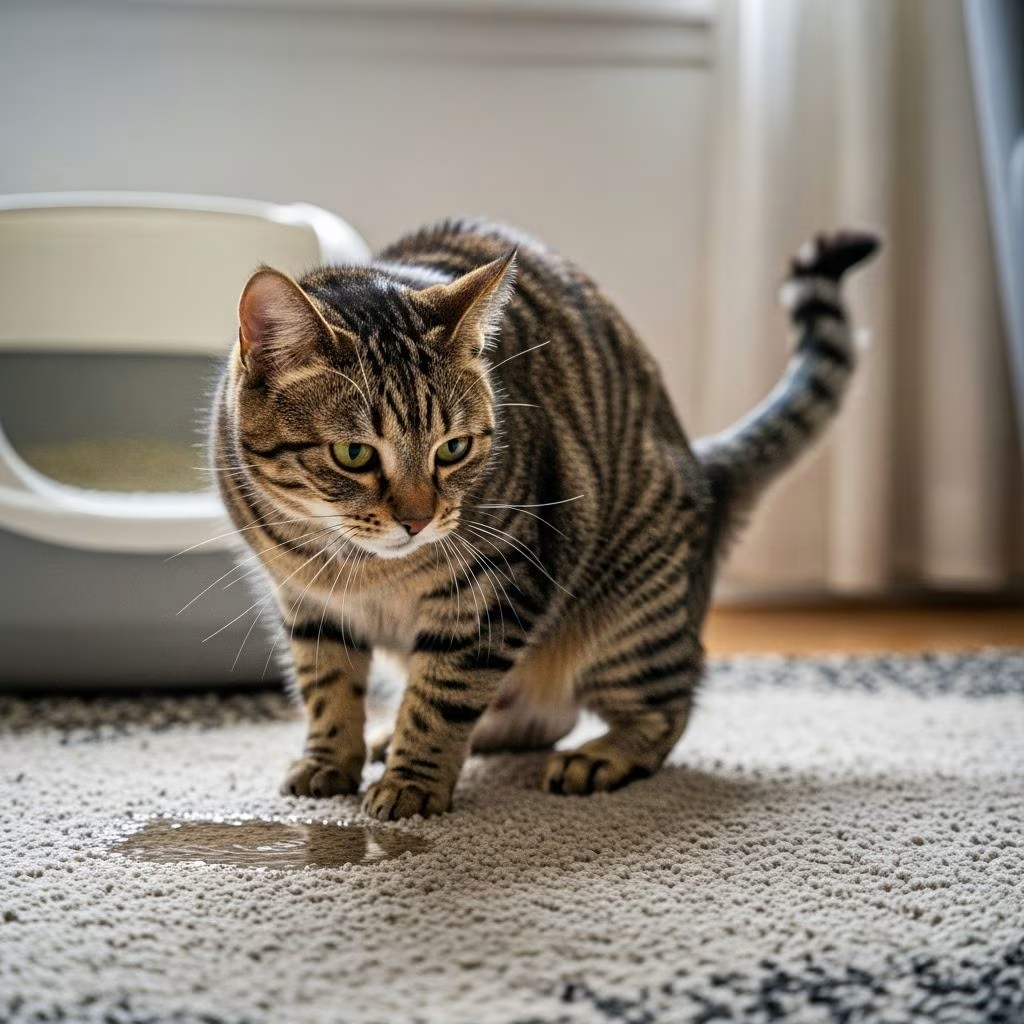
Discovering puddles of urine in unexpected places around your home can be frustrating for any cat owner. This common issue, known as inappropriate elimination, affects many households and often signals an underlying problem rather than simple rebellion. Cats are naturally fastidious creatures, so when they bypass the litter box, it’s typically due to discomfort, health concerns, or environmental dissatisfaction. Addressing it promptly prevents escalation and strengthens the bond with your pet.
Understanding Inappropriate Urination in Cats
Inappropriate urination differs from spraying, which involves small amounts on vertical surfaces for marking territory. House soiling features larger puddles on horizontal spots like floors, beds, or rugs, often stemming from physical or emotional distress. Recognizing patterns—such as frequency, location, or accompanying symptoms like straining—helps pinpoint the cause. Early intervention is crucial, as untreated issues can lead to chronic habits or surrender to shelters, a leading reason for cat relinquishment.
Primary Medical Causes Behind Litter Box Avoidance
Health problems top the list of reasons cats urinate outside their boxes. A sudden onset demands immediate veterinary evaluation to rule out serious conditions. Vets often start with urinalysis to detect infections or crystals.
Urinary Tract Infections and Bladder Issues
Bacterial invasions in the bladder or kidneys cause inflammation, leading to painful, frequent urination. Signs include straining, blood-tinged urine, or small dribbles. Feline idiopathic cystitis (FIC), a stress-induced bladder inflammation without infection, mimics these symptoms and affects many cats. Untreated, FIC raises risks for blockages, a life-threatening emergency especially in males.
Chronic Diseases Increasing Urine Output
Kidney disease, diabetes, and hyperthyroidism boost urine production, overwhelming a cat’s control. Aging felines commonly show increased thirst, weight loss, and accidents. These progressive conditions require bloodwork for diagnosis and management through diet or medication.
Mobility Challenges from Arthritis
By age 10, most cats experience joint degeneration, making high-sided or covered boxes inaccessible. Affected cats seek softer, easier spots like laundry piles. Pain relief and low-entry boxes often resolve this.
| Condition | Symptoms | Vet Tests |
|---|---|---|
| UTI/Cystitis | Straining, blood in urine | Urinalysis |
| Kidney Disease | Thirst, weight loss | Bloodwork |
| Arthritis | Hesitant movement | Physical exam, X-rays |
Environmental Factors Disrupting Litter Habits
Once medical issues are cleared, scrutinize the setup. Cats have precise preferences, and deviations prompt avoidance.
Litter Box Cleanliness and Maintenance
A dirty box repels fastidious cats, akin to humans shunning a filthy restroom. Scoop daily—multiple times in multi-cat homes—and fully refresh every 1-2 weeks. Deep clean with mild soap, avoiding strong chemicals that linger in scents.
Box Size, Type, and Placement
Standard boxes often prove too small; opt for larger storage bins or low-sided options. Uncovered boxes suit most, but test preferences. Place in quiet, accessible spots away from food, noise, or high-traffic areas. Avoid corners where cats feel trapped.
- One box per cat plus one extra: Essential for multi-cat homes to prevent bullying.
- Litter depth: 2-3 inches of clumping, unscented variety.
- Accessibility: Senior cats need ramped or open designs.
Litter Preferences and Aversions
Sudden litter switches can trigger aversion. Fine, clumping litters mimic soil best, but scented or coarse types irritate paws. If a painful episode occurred in the box, relocate or replace it entirely.
Stress and Behavioral Triggers
Cats thrive on routine; disruptions spark anxiety, manifesting as box avoidance. This isn’t spite but a coping mechanism—urine scent provides security.
Household Changes and Anxiety
New pets, moves, renovations, or absent owners unsettle cats, fueling FIC or elimination issues. Observe for hiding, aggression, or over-grooming as co-signs.
Multi-Pet Dynamics and Territorial Marking
Bullying at the box or intact cats spraying vertically signal territory disputes. Neutering reduces this by 90% in most cases.
Cognitive Decline in Seniors
Older cats may forget box locations due to senility, compounded by sensory loss. Consistent placement and cues help.
Step-by-Step Solutions to Restore Proper Habits
Systematic troubleshooting yields results. Never punish— it heightens stress.
- Vet visit first: Rule out illness with full exam.
- Optimize boxes: Add more, clean rigorously, experiment with litter.
- Reduce stress: Pheromone diffusers, play therapy, stable routines.
- Clean accidents: Enzymatic cleaners erase scents completely.
- Monitor progress: Track with a journal; consult behaviorists if persistent.
Tools for Stress Relief
- Feliway diffusers mimic calming pheromones.
- Vertical spaces and hiding spots for security.
- Consistent feeding/play schedules.
Prevention Strategies for Long-Term Success
Proactive measures keep habits intact. Annual vet checkups catch issues early. Maintain one-plus-one box rule, even for singles. Introduce changes gradually, mixing new litters over weeks. For seniors, joint supplements preserve mobility.
Frequently Asked Questions (FAQs)
Why did my cat suddenly start peeing on the bed?
Often a UTI or FIC; vet check mandatory.
How many litter boxes do I need for two cats?
Three, in separate locations.
Can diet cause litter box issues?
Yes, via urinary crystals; wet food helps dilute urine.
Is it too late if it’s been months?
No, but patience and consistency required; retraining works.
Should I declaw to stop this?
No, it worsens aversions; address roots instead.
Quick Troubleshooting Checklist
| Issue | Action |
|---|---|
| Sudden onset | See vet immediately |
| Dirty box | Scoop daily, replace weekly |
| Multi-cat | Add boxes, separate locations |
| Stress signs | Use pheromones, enrich environment |
Resolving litter box woes demands empathy and method. Most cats return to proper habits with medical clearance and tweaks. Persistent cases benefit from certified behaviorists. Your diligence ensures a cleaner, happier home.
References
- Why is My Cat Peeing Outside the Litter Box? — Arm & Hammer. 2023. https://www.armandhammer.com/en/articles/why-is-cat-peeing-outside-litter-box
- 6 Reasons Your Cat Is Peeing Outside the Litter Box — Aloha Vet Hospital. 2024. https://alohavethospitaloc.com/6-reasons-your-cat-is-peeing-outside-the-litter-box/
- 6 Reasons Your Cat Is Peeing Outside the Litter Box — PetMD. 2025-01-15. https://www.petmd.com/cat/behavior/reasons-your-cat-peeing-outside-litter-box
- Why Is My Cat Peeing Outside the Litter Box? Causes & Symptoms — Gardens Animal Hospital. 2024. https://www.gardensanimalhospital.com/cat-peeing-outside-the-litter-box/
- Inappropriate Elimination — Newport Veterinary Hospital. 2023. https://www.newportvethospital.com/inappropriate-elimination



