

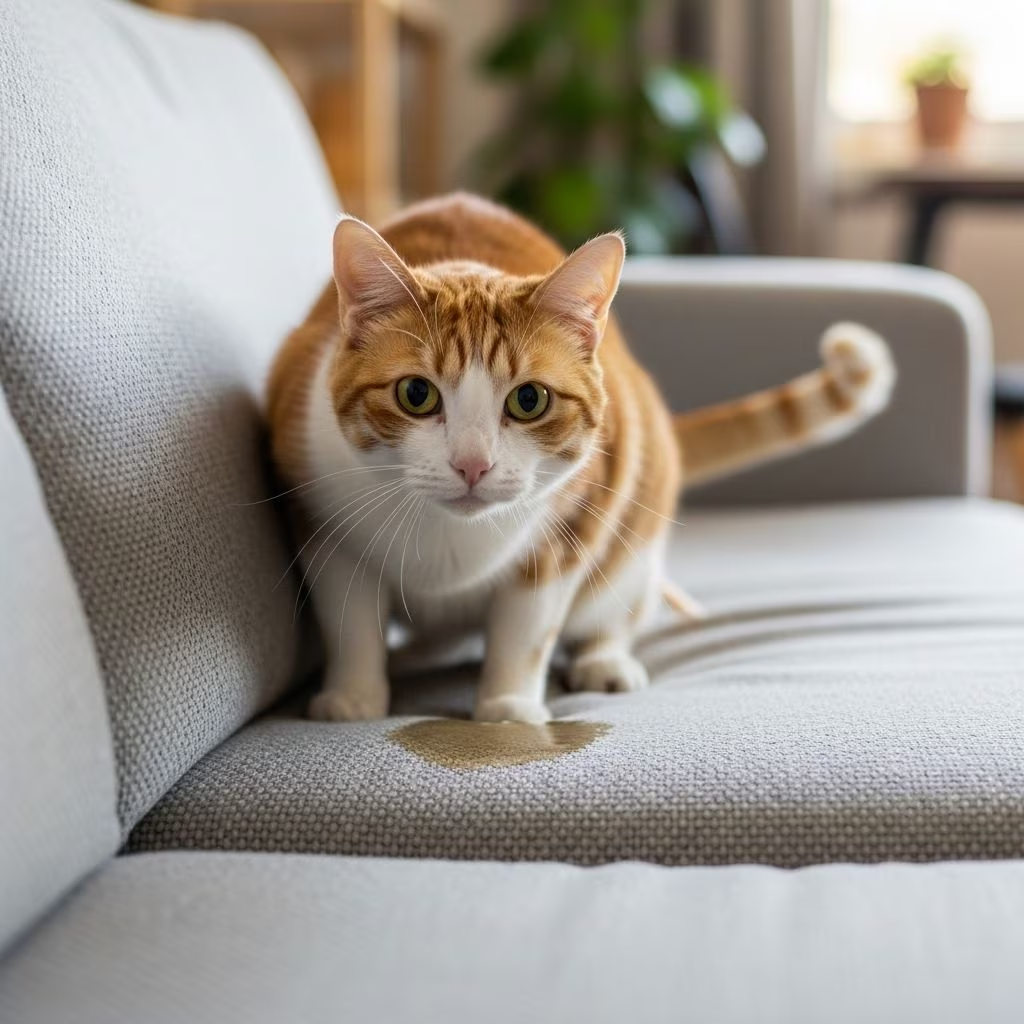
Your cat peeing on the couch can be frustrating, but it’s often a sign of an underlying issue rather than spite. Cats are fastidious creatures, and inappropriate elimination usually stems from medical problems, litter box dissatisfaction, stress, or territorial behavior. Addressing the root cause promptly can restore harmony in your home and prevent recurring incidents.
In this comprehensive guide, we’ll cover the **7 most common reasons** why cats pee on couches, backed by veterinary insights, and provide actionable solutions. Always start with a vet visit to rule out health issues, as conditions like urinary tract infections (UTIs) require immediate attention.
Why Is My Cat Peeing on the Couch?
Cats don’t pee on furniture to “get back at you.” This behavior, known as **house soiling** or **inappropriate elimination**, affects up to 10% of cats and is the top reason for relinquishment to shelters. It can be urine spraying (vertical marking) or puddles (horizontal elimination), each pointing to different causes.
Key indicators include sudden onset (likely medical), gradual changes (behavioral), or targeting soft surfaces like couches (preference or aversion).
1. Medical Issues Causing Cat Peeing on Couch
The **number one reason** for sudden litter box avoidance is a medical problem. Any condition causing pain, urgency, or increased urination frequency can lead your cat to seek relief on the nearest soft surface, like your couch.
- Urinary Tract Infection (UTI): Bacteria inflame the bladder or kidneys, causing straining, frequent small urinations, and blood in urine. Untreated UTIs can lead to kidney damage.
- Bladder Stones (Cystic Calculi): These irritate the bladder wall, mimicking UTI symptoms and risking life-threatening blockages, especially in male cats.
- Kidney Disease: Common in older cats, it increases thirst and urination. Signs include weight loss, vomiting, and picky eating.
- Arthritis or Mobility Issues: Painful joints make high-sided litter boxes inaccessible. Senior cats may not reach the box in time.
- Feline Idiopathic Cystitis (FIC): Stress-induced bladder inflammation, often with blood in urine. It heightens UTI and obstruction risks.
- Diabetes or Hyperthyroidism: These boost urine output, overwhelming litter habits.
Solution: Schedule a vet exam immediately, including urinalysis and bloodwork. Early treatment with antibiotics, diet changes, or pain meds resolves most cases.
2. Dirty Litter Box
Cats are clean freaks. A soiled box smells like a “Porta Potty,” prompting them to choose your couch instead. Multi-cat homes exacerbate this if not scooped frequently.
Solution: Scoop daily (multiple times for 2+ cats), dump and disinfect weekly with mild soap (no harsh chemicals). Use 2-3 inches of clumping litter for easy maintenance.
3. Litter Box Issues
Beyond dirt, boxes can be unappealing due to size, location, hoods, or liners. Small boxes cramp turning, covered ones trap odors, and poor placement feels unsafe.
- Too small for large or senior cats.
- Hoods or liners deter sensitive paws.
- High sides challenge arthritic cats.
- Locations near loud appliances or dog areas cause anxiety.
Solution: Provide one box per cat plus one extra, in quiet, low-traffic spots. Opt for large, open boxes without hoods. Experiment with low-entry designs for seniors.
4. Litter Type Your Cat Hates
Not all litters suit every cat. Scented, non-clumping, or crystal varieties can feel wrong under paws or smell off-putting.
Solution: Switch to unscented clumping clay litter gradually, mixing old and new over a week. Offer multiple litter types in separate boxes to find preferences.
5. Stress and Anxiety
Cats thrive on routine. Changes like new pets, moves, visitors, or household tension trigger **FIC** or marking. Anxiety from bullying or environmental shifts leads to couch spraying.
- New baby, renovation, or schedule shifts.
- Inter-cat aggression or insufficient resources.
- Trauma like past abuse (e.g., sanctuary stress).
Solution: Use pheromone diffusers (Feliway), enrich environment with vertical spaces, and maintain routines. For severe cases, vet-prescribed anti-anxiety meds help.
6. Territorial Marking or Spraying
Intact cats (especially males) spray vertically to mark territory, often on couch corners during heat or rival introductions. Fixed cats may spray under stress.
Solution: Spay/neuter if not done (95% effective). Clean marks thoroughly and use deterrents like citrus peels or foil.
7. Surface Preference or Aversion
After one accident (e.g., due to pain), cats may prefer couch texture over litter. Soft fabrics mimic burying spots.
Solution: Place a litter box over the soiled spot temporarily, moving it gradually. Cover couch with plastic or tape to deter.
How to Clean Cat Pee from Couch
Residual odors attract repeat offenses. Enzymatic cleaners neutralize (don’t mask) smells; avoid ammonia/vinegar, which mimic urine.
- Blot excess urine with paper towels.
- Saturate with enzymatic cleaner (e.g., Nature’s Miracle, Urine Off).
- Let sit 15+ minutes, blot, and air dry.
- For cushions, sprinkle baking soda, vacuum after drying.
- Upholstery shampoo if needed; test first.
Pro Tip: Act fast—dried urine penetrates fabrics, requiring steam cleaning or pros.
Prevention Tips to Stop Cat Peeing on Couch
Combine fixes for lasting results:
- Vet clearance first.
- Rule of N+1 boxes (N = cats).
- Daily cleaning routine.
- Stress reduction: scratching posts, playtime, hiding spots.
- Monitor for relapse; track with a journal.
| Problem | Signs | Quick Fix |
|---|---|---|
| Medical | Sudden, straining, blood | Vet visit |
| Dirty Box | Consistent avoidance | Scoop daily |
| Stress | Spraying, hiding | Feliway, enrich |
| Marking | Vertical streaks | Spay/neuter |
Frequently Asked Questions (FAQs)
Why is my cat peeing on the couch but pooping in the litter box?
This suggests urinary-specific issues like UTI or FIC, as defecation and urination are controlled separately.
How do I stop my cat from peeing on the couch at night?
Ensure accessible boxes, reduce stress, and confine to a safe room with a box overnight.
Will punishing my cat help?
No—punishment increases stress, worsening the problem. Focus on positive reinforcement.
My cat pees on the couch after vet visits—what now?
Post-vet stress is common; use calming aids and extra boxes temporarily.
Can diet cause litter box issues?
Yes, dry-food heavy diets increase urine volume; wet food helps, but vet rules out disease first.
By systematically addressing these factors, most cats return to proper litter use within weeks. Patience and consistency are key—your couch (and sanity) will thank you.
References
- 6 Reasons Your Cat Is Peeing Outside the Litter Box — PetMD. 2023. https://www.petmd.com/cat/behavior/reasons-your-cat-peeing-outside-litter-box
- Feline Behavior Problems: House Soiling — Cornell University College of Veterinary Medicine. 2024-01-15. https://www.vet.cornell.edu/departments-centers-and-institutes/cornell-feline-health-center/health-information/feline-health-topics/feline-behavior-problems-house-soiling
- Urinating Outside the Litter Box: What to do when it’s behavioral — Just Cats Clinic. 2023. https://justcatsclinic.com/urinating-outside-the-litter-box-what-to-do-when-its-behavioral/
- Cat Peeing on the Couch or EVERYWHERE? Tips from Jackson Galaxy — YouTube (Animal Planet India). 2024-08-30. https://www.youtube.com/watch?v=QlqRLCy0WFA



