

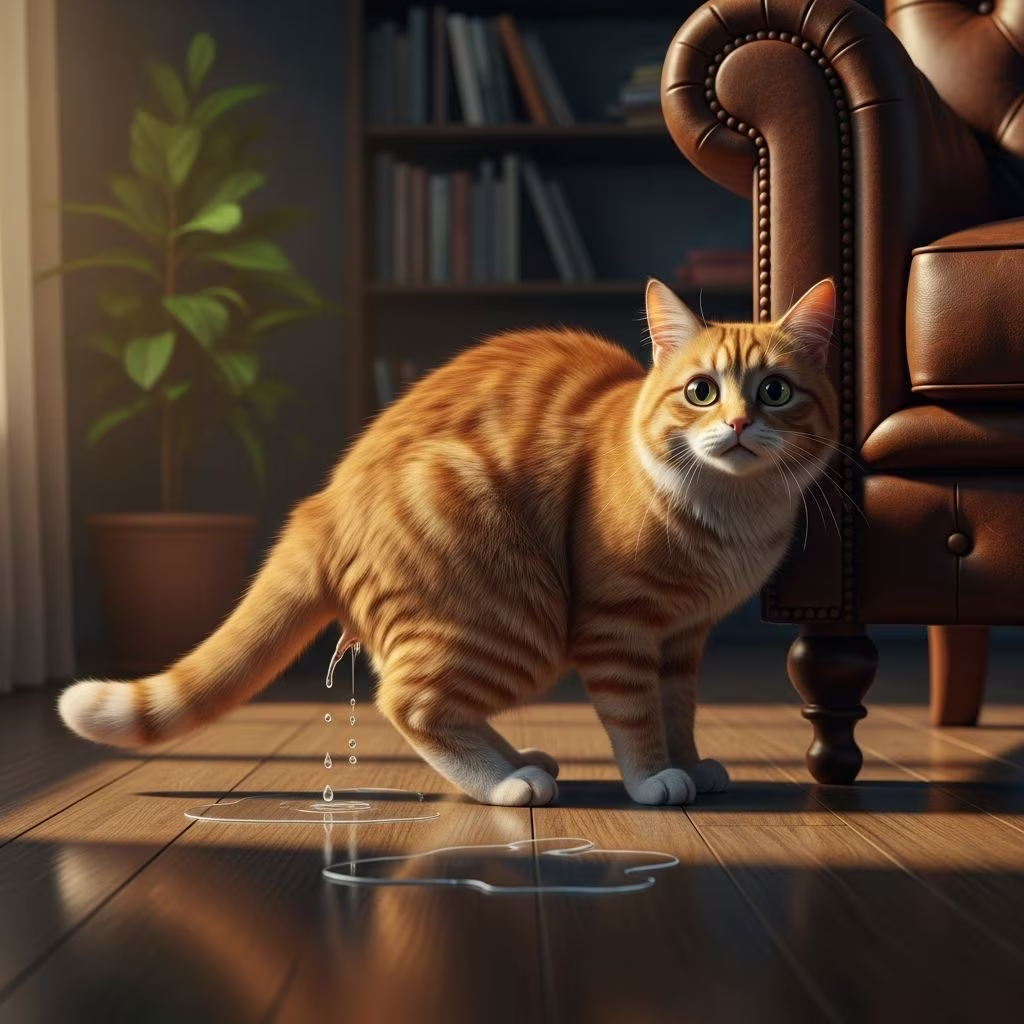
When your cat starts urinating in unexpected places like carpets, beds, or furniture, it disrupts household peace and raises concern. This sudden shift from litter box loyalty often points to underlying health problems, environmental stressors, or setup flaws that demand prompt attention. Understanding these triggers enables targeted solutions, preventing escalation and restoring normalcy.
Recognizing the Signs of a Problem
Inappropriate elimination manifests as puddles on floors, soaked linens, or sprays on walls, differing from normal litter use. Accompanying clues include straining, vocalizing during urination, blood-tinged urine, or increased frequency. These symptoms warrant immediate veterinary evaluation, as delays can lead to severe complications like blockages, especially in males.
- Frequent small voids: Indicates bladder irritation or incomplete emptying.
- Painful postures: Hunched backs or crying signal discomfort.
- Odor persistence: Strong ammonia smells despite cleaning suggest repeated incidents.
- Behavioral shifts: Hiding, aggression, or appetite loss often coincide.
Tracking incidents—location, volume, timing—helps vets pinpoint patterns for accurate diagnosis.
Primary Medical Culprits Behind the Behavior
Health issues top the list for sudden litter avoidance, as pain or urgency overrides trained habits. Veterinary diagnostics like urinalysis, bloodwork, and imaging reveal these conditions.
Urinary Tract Infections (UTIs)
Bacterial invasions inflame the bladder, causing burning sensations that cats link to the litter box. Symptoms mimic other issues, but antibiotics resolve most cases swiftly. Untreated UTIs risk kidney spread or crystals formation.
Bladder Stones and Crystals
Mineral buildups irritate or obstruct the urethra, creating emergencies. Diet changes, increased water intake, and medications dissolve many types, while surgery handles stubborn ones. Males face higher blockage risks due to narrow anatomy.
Feline Lower Urinary Tract Disease (FLUTD)
This umbrella term covers inflammation without infection, often stress-triggered. Cats strain, urinate bloody droplets, and avoid boxes amid flare-ups. Multimodal management—meds, diet, environment—controls recurrences.
Systemic Diseases: Diabetes and Kidney Failure
Diabetes boosts urine production via high blood sugar, overwhelming box access. Insulin therapy stabilizes output. Chronic kidney disease similarly increases volume alongside thirst and weight loss, managed through fluids and renal diets.
| Condition | Key Symptoms | Treatment Overview |
|---|---|---|
| UTI | Blood in urine, straining | Antibiotics, pain relief |
| Bladder Stones | Painful urination, blockages | Diet, surgery if needed |
| FLUTD | Frequent small amounts | Stress reduction, meds |
| Diabetes | Excessive thirst/urination | Insulin, diet |
| Kidney Disease | Increased drinking, vomiting | Supportive care, fluids |
Environmental and Litter Box Factors
Even healthy cats rebel against suboptimal setups. Fastidious by nature, they shun unclean, inaccessible, or unappealing boxes.
- Cleanliness lapses: Daily scooping prevents aversion; full changes weekly maintain appeal.
- Box inadequacy: Undersized or high-sided units deter entry, particularly for seniors or kittens.
- Litter mismatches: Scented, dusty, or non-clumping varieties offend preferences—trial unscented clay or pine.
- Quantity shortages: Multi-cat homes need n+1 boxes (n cats) in quiet, separate spots to avoid conflicts.
- Location issues: Noisy or trafficked areas heighten anxiety; low-traffic privacy wins.
Senior cats benefit from low-entry designs; experiment systematically to identify preferences.
Stress as a Silent Trigger
Cats mask distress, channeling it into elimination changes. Routine disruptions provoke idiopathic cystitis or marking.
Household Changes Provoking Anxiety
New pets, babies, moves, or renovations unsettle territories. Subtle shifts like rearranged furniture suffice for sensitive felines.
Territorial Marking in Multi-Cat Homes
Upright sprays (vs. squatting puddles) signal boundaries, common in unneutered males or rivals. Neutering curbs 90% of cases; resource abundance diffuses tensions.
Age-Related Vulnerabilities
Arthritis hampers box access for elders; cognitive decline mimics dementia with disorientation. Joint supplements and ramps aid mobility.
Step-by-Step Action Plan to Resolve It
Systematic intervention—vet first, then tweaks—yields results.
- Vet consultation: Rule out illness via exams and tests; treat accordingly.
- Deep clean accidents: Enzymatic cleaners obliterate scents, preventing re-targeting.
- Litter optimization: Add boxes, vary litters, ensure accessibility.
- Stress mitigation: Pheromone diffusers (e.g., synthetic facial pheromones) calm; routines stabilize.
- Enrichment boost: Play, perches, and scratchers fulfill instincts.
- Positive reinforcement: Treats for box use; never punish, as it amplifies fear.
Monitor progress weekly; persistence signals deeper issues.
Preventive Measures for Long-Term Success
Proactive habits forestall recurrences.
- Annual vet checkups catch brewing problems.
- Hydration via fountains encourages dilution.
- Consistent multi-box maintenance.
- Gradual change introductions.
- Neutering/spaying early.
Specialty urinary diets from vets support at-risk cats.
Frequently Asked Questions (FAQs)
Why is my neutered cat suddenly peeing on the bed?
Medical pain or stress often overrides spay/neuter benefits; vet check first.
How long before a vet visit for litter box issues?
Immediately if straining/blood; within days otherwise.
Can diet fix cat peeing everywhere?
Prescription formulas help crystals/FLUTD post-diagnosis, not standalone.
Is cat pee on walls different from puddles?
Sprays indicate marking; puddles suggest aversion or illness.
What if solutions fail after vet clearance?
Consult behaviorists for nuanced anxiety or aversions.
Real Owner Stories and Vet Insights
Many regain control post-UTI treatment or box upgrades. Vets stress: “Address medically first—behavior follows.” Patience and consistency key.
References
- Why Is My Cat Peeing Everywhere? Here’s What You Need to Know — CTV Shoal Creek. 2023. https://ctvsh.com/why-is-my-cat-peeing-everywhere-heres-what-you-need-to-know/
- 6 Reasons Your Cat Is Peeing Outside the Litter Box — PetMD. 2024-01-15. https://www.petmd.com/cat/behavior/reasons-your-cat-peeing-outside-litter-box
- Feline Behavior Problems: House Soiling — Cornell University College of Veterinary Medicine. 2023-05-10. https://www.vet.cornell.edu/departments-centers-and-institutes/cornell-feline-health-center/health-information/feline-health-topics/feline-behavior-problems-house-soiling
- Stop your Cat Spraying or Soiling in the House — Blue Cross. 2024. https://www.bluecross.org.uk/advice/cat/behaviour-and-training/stop-your-cat-spraying-and-soiling-in-the-house
- My Cat Is Peeing Everywhere. What Do I Do? — Harlingen Veterinary Clinic. 2023-08-22. https://harlingenveterinaryclinic.com/blog/my-cat-is-peeing-everywhere-what-do-i-do/



