

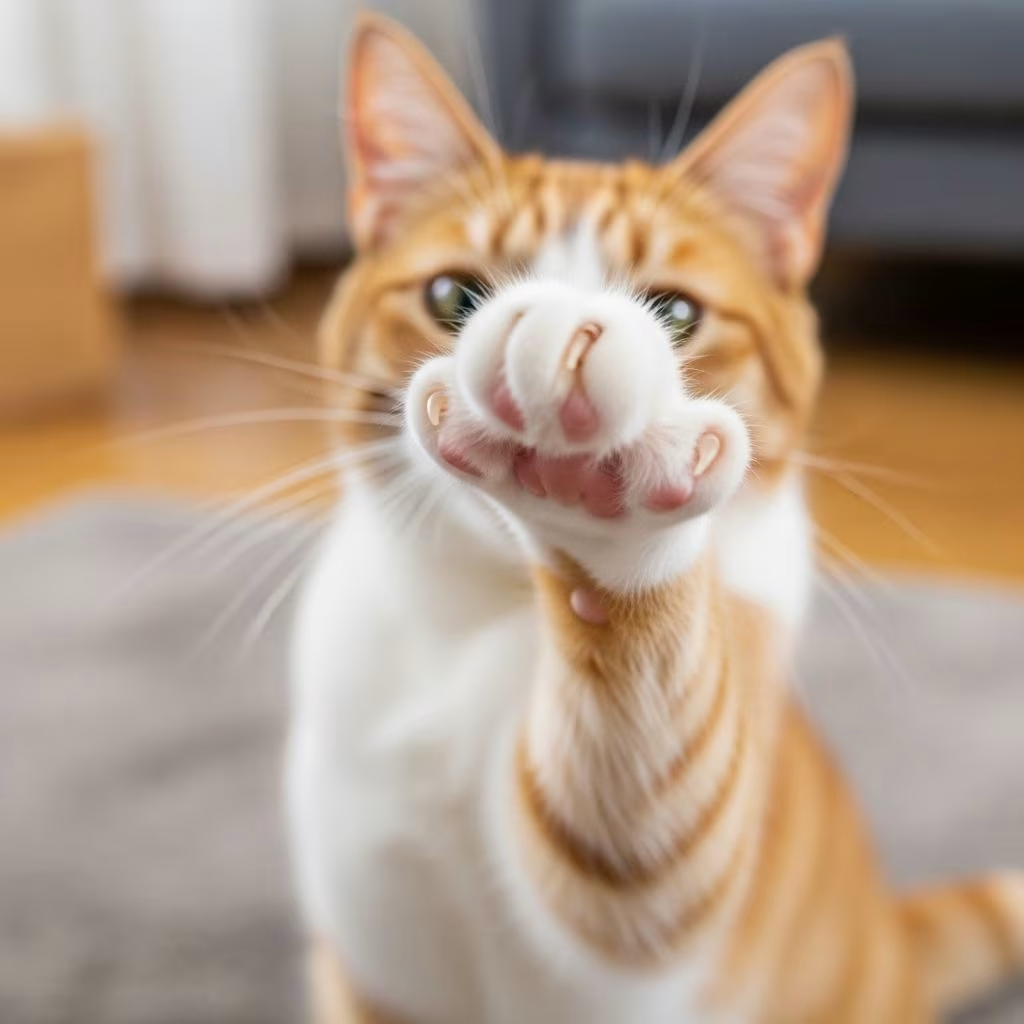
Cats often use paw swats as a communication tool, signaling discomfort, playfulness, or warning signs of deeper issues like pain or stress. Understanding these behaviors helps owners respond appropriately to prevent escalation into bites or scratches.
Recognizing the Signs of Cat Swatting
Swatting involves a cat extending its paw quickly, often with claws extended, toward a person or another animal. This action frequently accompanies other signals such as tail thrashing, ear flattening, dilated pupils, hissing, or growling, indicating rising tension or overstimulation. Unlike gentle taps, aggressive swats aim to create distance and can occur suddenly during petting or interaction.
Observing context is key: a relaxed swat during play differs from a defensive strike when approached too quickly. Cats that were weaned early or lacked socialization may exhibit more intense responses due to underdeveloped impulse control.
Health Problems Triggering Swats
Sudden or uncharacteristic swatting often stems from underlying medical conditions causing pain or discomfort. Veterinary experts emphasize ruling out health issues first, as cats mask illness well.
- Arthritis and joint pain: Older cats with osteoarthritis may swat when touched near sore areas, as mobility pain heightens irritability.
- Dental disease: Tooth abscesses or gum inflammation lead to head sensitivity, prompting defensive swats during face petting.
- Hyperthyroidism: This common feline endocrine disorder increases aggression alongside symptoms like weight loss and hyperactivity.
- Infections or injuries: Abscesses from bites, trauma, or conditions like toxoplasmosis can make cats lash out unexpectedly.
- Neurological issues: Epilepsy or cognitive decline in seniors may manifest as unpredictable aggression.
Action Step: Schedule a full veterinary exam, including bloodwork, to identify treatable conditions. Pain management or thyroid medication often resolves behavioral changes swiftly.
Fear and Defensive Reactions
Fear-based swatting arises when cats perceive threats, real or imagined, leading to defensive postures. Body language cues include a crouched stance, piloerection (raised fur), and swatting to ward off the perceived danger.
Common triggers encompass:
- New household members, such as babies, guests, or other pets.
- Loud noises, fireworks, or construction sounds startling the cat.
- Unfamiliar scents on owners’ clothes from outdoor encounters.
- Past negative experiences amplifying sensitivity to specific stimuli.
Less-socialized cats, especially ferals or those from stressful environments, react more intensely. Providing safe spaces like high perches or covered crates helps them observe without feeling cornered.
Play Aggression and Overstimulation
Young or energetic cats frequently swat during play, mimicking hunting instincts through stalking, pouncing, and batting. This “predatory play” teaches bite inhibition in kittens but can overwhelm owners if unchecked.
Overstimulation occurs when petting or play exceeds the cat’s tolerance, shifting from enjoyment to annoyance. Warning signs include skin rippling, tail flicking, and sudden ear twitches before a swat. Cats with limited socialization struggle to differentiate play from real threats, leading to rough interactions.
| Play Signal | Aggressive Signal |
|---|---|
| Relaxed body, upright ears, soft paws | Tense posture, flattened ears, claws out |
| Chirping or purring | Growling or hissing |
| Short bursts of activity | Persistent targeting |
Use interactive toys like wand teasers to redirect energy, keeping sessions to 10-15 minutes to avoid escalation.
Redirected Aggression Explained
This occurs when a cat, aroused by an inaccessible stimulus, lashes out at a nearby target like an owner. Examples include spotting birds outside, smelling rival cats, or reacting to distant noises.
The cat’s frustration from thwarted hunting instincts transfers, often without prior warning. Indoor cats watching outdoor wildlife through windows are prime candidates. Prevention involves blocking visual triggers with blinds or deterrents and using calming pheromones.
Petting-Induced Responses
Many cats enjoy brief affection but swat when stroked too long or in sensitive areas like the belly or base of tail. Repetitive motion builds arousal, akin to static buildup, prompting a sudden halt via swat.
- Watch for early cues: pupil dilation, tail swishing.
- Pet in preferred spots (cheeks, chin) for short durations.
- Let the cat initiate contact to build trust.
Practical Solutions to Reduce Swatting
Addressing root causes systematically yields results:
- Vet Visit: Baseline health check mandatory.
- Environmental Enrichment: Scratching posts, puzzle feeders, vertical spaces reduce boredom-fueled aggression.
- Play Scheduling: Daily sessions tire cats constructively.
- Calming Aids: Feliway diffusers mimic soothing scents.
- Training Techniques: Positive reinforcement; ignore swats, reward calm behavior. Never punish, as it worsens fear.
- Multi-Cat Homes: Slow introductions, separate resources to curb territoriality.
When to Seek Professional Help
If swatting persists post-vet clearance or escalates to biting, consult a certified animal behaviorist. They assess via video analysis and design tailored plans, often incorporating medication for severe cases.
FAQs
Why does my cat swat at me but not others?
This targets trusted individuals due to comfort in expressing boundaries or redirected frustration. Observe patterns tied to petting or play.
Is swatting normal kitten behavior?
Yes, but teach boundaries early with toys, not hands, to prevent adult habits.
How long until behavior improves?
Weeks to months with consistent management; track progress in a journal.
Can declawing stop swatting?
No—it’s painful, risky, and doesn’t address causes; focus on behavior instead.
What if my cat swats during feeding?
Resource guarding; feed separately, use puzzle bowls to ease tension.
References
- Why Is My Cat Swiping at Everyone? Top 4 Reasons and Solutions — Cats.com. 2023. https://cats.com/why-is-my-cat-swiping-at-everyone
- Aggression in Cats — ASPCA. 2024-01-15. https://www.aspca.org/pet-care/cat-care/common-cat-behavior-issues/aggression-cats
- Feline Behavior Problems: Aggression — Cornell University College of Veterinary Medicine. 2023-05-20. https://www.vet.cornell.edu/departments-centers-and-institutes/cornell-feline-health-center/health-information/feline-health-topics/feline-behavior-problems-aggression
- Cat – Aggression when Touched or Petted — Maddie’s Fund. 2022-11-10. https://www.maddiesfund.org/cat-aggression-when-touched-or-petted.htm



