

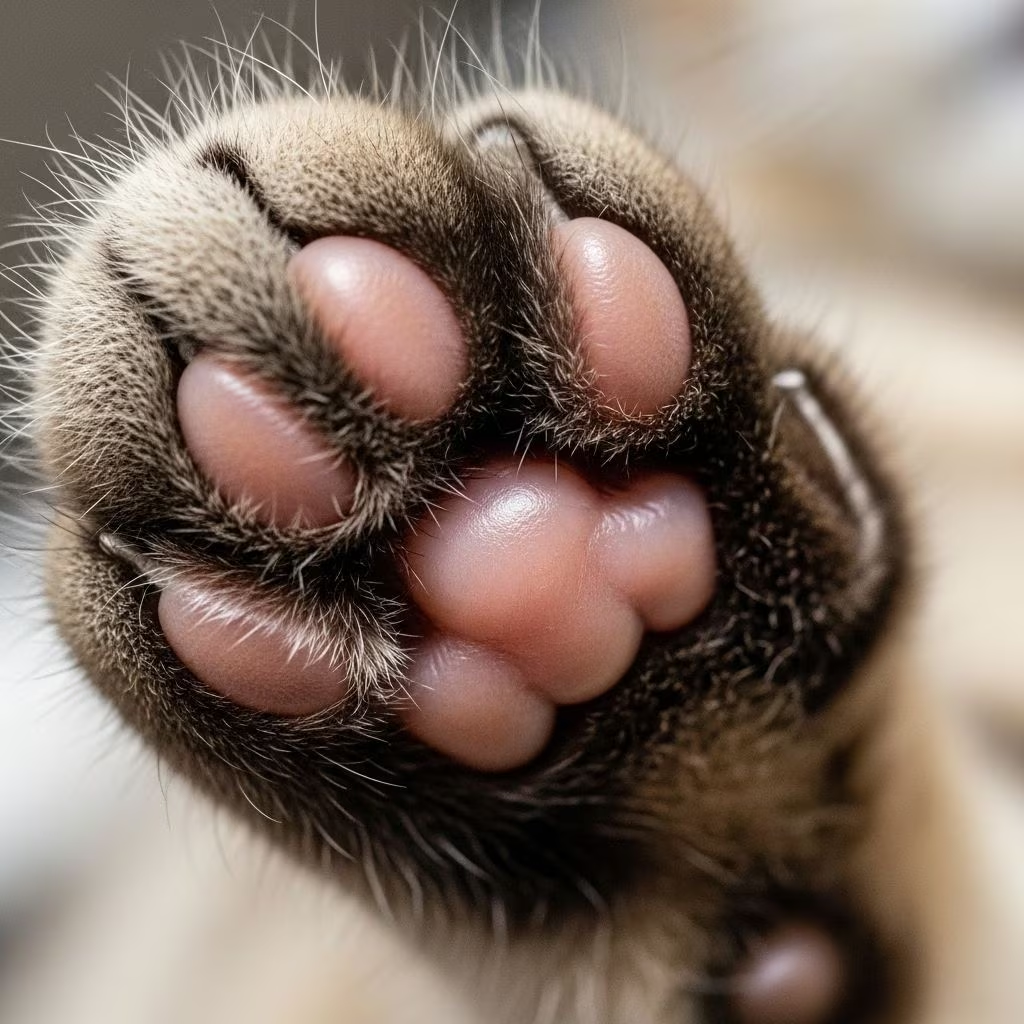
Cat paw pads possess impressive regenerative capabilities, allowing them to heal from various injuries through natural tissue repair processes. While minor damage often restores full functionality within weeks, severe cases may lead to scarring or require professional intervention.
Anatomy of Feline Paw Pads
Feline paw pads, also known as footpads, are specialized structures designed for durability and sensitivity. Each front paw typically features five pads—four digital and one metacarpal—while hind paws have four digital pads. These pads consist of a thick, keratinized epidermis for protection, underlying dermis with collagen and elastin for cushioning, and a hypodermis rich in fat for shock absorption. Blood vessels and nerve endings provide sensory feedback, enabling cats to detect textures and temperatures precisely.
Their ridged surface enhances traction on diverse terrains, from slick floors to rough outdoor surfaces. This multi-layered design supports essential functions like silent stalking, jumping, and climbing, making paw pad integrity vital for a cat’s mobility and well-being.
Mechanisms of Paw Pad Tissue Repair
When damaged, cat paw pads initiate a multi-phase healing cascade similar to other mammalian skin but adapted for high-stress areas. The process begins with hemostasis, where platelets form a clot to stop bleeding. Inflammation follows, recruiting immune cells to clear debris and pathogens.
Proliferation phase involves granulation tissue formation—new blood vessels, fibroblasts, and extracellular matrix fill the wound bed. Epithelial cells migrate from wound edges, a process called re-epithelialization, eventually covering the defect. Remodeling strengthens the scar through collagen reorganization, though regenerated tissue may differ in thickness or texture from the original.
Unlike some amphibians, cats do not fully regenerate perfect pad structures; instead, they produce functional scar tissue. Factors like wound depth, infection presence, and cat’s age influence outcomes. Younger cats often heal more robustly due to higher cellular turnover rates.
Common Causes of Paw Pad Trauma
- Cuts and Abrasions: Sharp objects like glass, thorns, or metal shards frequently lacerate pads, especially in outdoor cats exploring urban or natural environments.
- Burns: Thermal injuries from hot pavement, grills, or curling irons; chemical burns from household cleaners like bleach or antifreeze.
- Fight Wounds: Bites during territorial disputes puncture pads, introducing bacteria and complicating healing.
- Pododermatitis: Immune-mediated ‘pillow foot’ causes pad swelling and ulceration, often requiring long-term management.
- Avulsions: Partial or complete pad tears from dragging injuries or machinery entrapment, rare but severe.
Indoor cats face risks from dropped needles, hot appliances, or abrasive litter, while outdoor adventurers encounter more diverse hazards.
Healing Timelines for Different Injuries
| Injury Type | Expected Healing Time | Key Considerations |
|---|---|---|
| Superficial Abrasions | 7-10 days | Minimal scarring; focus on cleanliness. |
| Deep Cuts | 10-21 days | Bandaging essential; monitor infection. |
| First/Second-Degree Burns | 2-4 weeks | Cool immediately; avoid irritants. |
| Third-Degree Burns/Avulsions | 1-3 months | Vet care mandatory; possible surgery. |
| Pododermatitis Flare | Weeks to months | Medications for remission control. |
Timelines assume optimal care; complications like licking or reinjury extend recovery. Full functional restoration may take longer than visible closure.
Home First Aid Protocols
Swift, gentle intervention promotes best outcomes for minor injuries. Always assess for embedded objects or heavy bleeding first.
- Examine and Clean: Rinse under lukewarm saline or mild soapy water for 5-10 minutes to flush contaminants. Avoid hydrogen peroxide or alcohol, which damage healthy tissue.
- Control Bleeding: Apply firm pressure with a clean gauze for 10 minutes. Elevate the paw if possible.
- Bandage Properly: Use non-stick gauze, padding, and vet-wrap. Secure without tightness—two fingers should fit underneath. Change daily or if soiled.
- Prevent Interference: Employ an Elizabethan collar to deter licking, which introduces saliva-borne bacteria.
- Pain Management: Consult vet for safe analgesics; never use human NSAIDs like ibuprofen.
For burns, cool with running water (not ice) for 20 minutes. Dish soap aids in removing oily chemicals. Keep the cat confined to a single room with soft bedding to minimize paw stress.
Recognizing Complications and Infection
Healthy healing shows gradual improvement: reduced swelling, pink granulation tissue, and edge contraction. Warning signs demand vet attention:
- Pus, foul odor, or excessive discharge
- Increasing redness, heat, or swelling
- Lameness persisting beyond 48 hours
- Fever, lethargy, or appetite loss
- Non-healing wounds after 7 days
Infections often stem from Pasteurella or Staphylococcus bacteria, thriving in moist, warm pad environments. Pododermatitis presents as soft, purple, pillow-like pads, confirmed via biopsy.
Veterinary Interventions for Severe Cases
Professionals handle deep wounds, burns, or systemic issues. Diagnostics include cytology, cultures, and imaging to rule out foreign bodies or fractures.
- Debridement: Surgical removal of dead tissue under sedation.
- Antibiotics/Antifungals: Targeted therapy based on cultures.
- Bandage Therapy: Professional multi-layer dressings changed under anesthesia.
- Surgery: Pad reconstruction or amputation in extreme avulsions.
- Immunosuppressants: For pododermatitis, doxycycline or steroids induce remission.
Hospitalization provides IV fluids, pain control, and nutrition for critical cases. Post-op recovery emphasizes strict rest.
Preventive Measures for Paw Health
Proactive steps reduce injury risks:
- Inspect outdoor areas for hazards like glass or chemicals.
- Provide paw-friendly litter and trim claws regularly.
- Use booties on hot surfaces or during walks.
- Maintain vaccinations and flea control to prevent fight-related wounds.
- Regular vet check-ups catch early pododermatitis signs.
Moisturizing balms soothe dry pads, but avoid if cracks suggest infection.
Long-Term Outcomes and Scarring
Most cats regain near-normal pad function, though scars may toughen or thin over time. Chronic issues like hyperkeratosis or sensitivity can persist post-severe trauma. Pododermatitis often recurs, necessitating lifelong monitoring.
Monitor mobility and pad condition monthly. Orthopedic boots aid recovery in active cats.
Frequently Asked Questions
Will my cat’s paw pad fully regenerate after a tear?
Minor tears heal with functional tissue replacement, but deep ones form scars. Complete regeneration is rare; functionality usually returns.
How can I tell if a paw injury is infected?
Look for swelling, pus, odor, or fever. If no improvement in 3 days, seek vet care.
Is bandaging always necessary for paw cuts?
Not for superficial scratches, but recommended for bleeding or contaminated wounds to protect healing.
Can pillow foot be permanently cured?
It achieves remission with therapy, but recurrences are common; some cats need ongoing meds.
What home remedies speed up paw pad healing?
Cleanliness, bandaging, and rest are key. Avoid ointments unless vet-approved.
References
- Do Cat Paw Pads Grow Back? Healing and Recovery Guide — PetsCare.com. 2024. https://www.petscare.com/news/post/do-cat-paw-pads-grow-back
- Do Cat Paw Pads Grow Back? Vet Approved Facts & FAQs — Catster. 2024. https://www.catster.com/cat-health-care/do-cat-paw-pads-grow-back/
- Pillow Foot (Pododermatitis) in Cats — PetMD. 2024. https://www.petmd.com/cat/conditions/skin/pillow-foot-pododermatitis-cats
- First Aid for Torn Footpads in Cats — VCA Animal Hospitals. 2024. https://vcahospitals.com/know-your-pet/first-aid-for-torn-footpads-in-cats
- Footpad Injury in Cats — WagWalking. 2024. https://wagwalking.com/cat/condition/footpad-injury
- What to do if your cat has a pad wound — American Red Cross. 2024. https://www.redcross.org/take-a-class/resources/learn-pet-first-aid/cat/pad-wounds
- Moist Wound Healing: The New Standard of Care — Today’s Veterinary Practice. 2024. https://todaysveterinarypractice.com/wound-management/moist-wound-healing-the-new-standard-of-care/



