

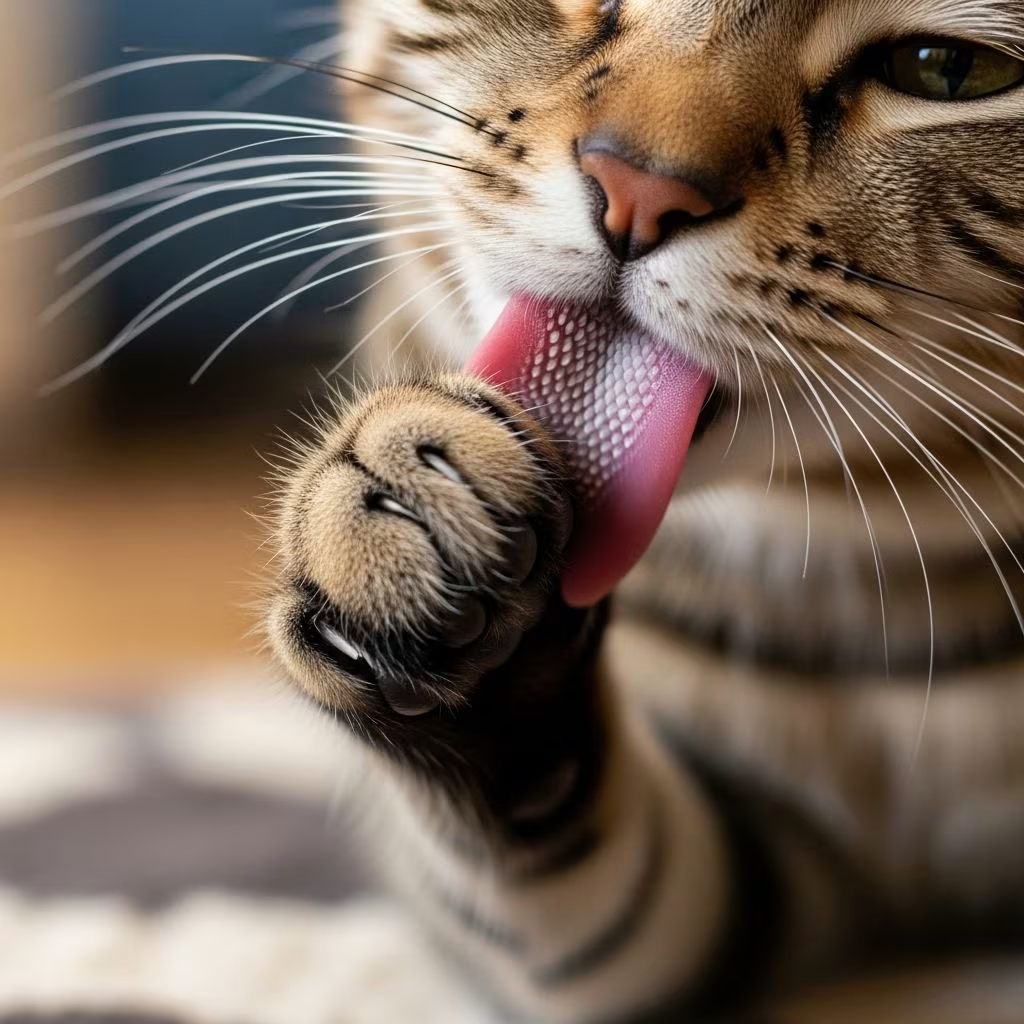
Cats frequently lick their paws as part of their natural routine, but excessive licking can signal underlying problems requiring attention. Understanding the distinction between typical grooming and problematic behavior helps owners ensure their pets remain healthy and comfortable.
The Natural Role of Paw Licking in Feline Life
Paw licking serves essential functions in a cat’s daily existence. Primarily, it aids in **grooming**, allowing cats to spread saliva across their fur for cleaning and maintenance. Cats dedicate 30 to 50 percent of their waking hours to self-grooming, using their paws as tools to reach various body parts.
Additionally, this behavior provides **cooling relief**. The evaporation of saliva from paw pads dissipates heat, helping cats regulate body temperature during warm conditions or after activity. It also triggers endorphin release, promoting relaxation and a sense of well-being, much like a comforting ritual.
In normal circumstances, paw licking appears brief and purposeful, interspersed with other activities. Owners might notice it more during rest periods or after meals, reflecting a cat’s innate tidiness.
Distinguishing Normal from Excessive Paw Licking
Not all paw licking warrants concern, but certain signs indicate excessiveness. Watch for prolonged sessions lasting several minutes, repeated throughout the day, or accompanied by redness, swelling, hair loss, or sores on the paws.
- Frequency: More than a few licks per hour, especially if interrupting play or sleep.
- Intensity: Aggressive chewing or biting alongside licking.
- Visible Damage: Bald spots, inflamed skin, or wounds from over-licking.
- Behavioral Changes: Irritability, withdrawal, or reluctance to use the affected paw.
Tracking these patterns in a journal, noting time of day and triggers, assists in identifying causes when consulting a veterinarian.
Health-Related Causes of Over-Licking
Many instances of intense paw licking stem from physical discomfort. Identifying the root issue early prevents complications like secondary infections.
Allergies: A Leading Trigger
**Allergies** rank among the top reasons for paw irritation in cats. Environmental allergens like pollen, dust mites, or household chemicals provoke itchy reactions, prompting relentless licking for relief. Food sensitivities to proteins in diet can also manifest as paw-focused itching.
The paws become prime targets because they contact surfaces directly, accumulating allergens. This leads to a cycle where licking breaks the skin, inviting bacteria or yeast, worsening the itch.
Infections and Injuries
Bacterial, fungal, or yeast infections thrive in moist paw environments, causing pain and itchiness that demand constant attention. Minor injuries—cuts from sharp objects, thorns, or burns from hot surfaces—likewise draw licking as a natural healing response via saliva’s mild antibacterial properties.
Underlying pain from arthritis or joint issues in older cats may localize licking to specific paws, mimicking self-soothing for orthopedic discomfort.
Parasites at Play
Fleas, mites, and ticks infest paws, eliciting furious licking to dislodge them. Even one flea bite can spark intense itching in saliva-allergic cats, perpetuating the behavior.
| Cause | Symptoms | Common Treatments |
|---|---|---|
| Allergies | Red, itchy paws; seasonal patterns | Antihistamines, hypoallergenic diet |
| Infections | Swelling, odor, discharge | Antibiotics, antifungals |
| Injuries | Limping, visible wounds | Cleaning, bandaging, pain relief |
| Parasites | Flea dirt, mites visible | Topical preventives |
Behavioral and Psychological Factors
Beyond physical ailments, emotional states drive paw licking. **Stress and anxiety** prompt over-grooming as a coping mechanism, known as psychogenic alopecia, resulting in hair loss from repetitive action.
Triggers include household upheavals like moves, new pets, or routine changes. Boredom from insufficient stimulation also leads to compulsive licking, substituting for exercise or play.
Neurological conditions or dry skin from low humidity can contribute, though less commonly.
Steps for Diagnosis and Veterinary Intervention
A thorough veterinary exam is crucial for pinpointing causes. Expect skin scrapes for parasites, allergy tests, or blood work for systemic issues.
Treatments vary: antibiotics for infections, anti-inflammatories for allergies, or flea preventives year-round. For stress, behaviorists may recommend pheromone diffusers or environmental adjustments.
Home Strategies to Reduce Paw Licking
While awaiting professional advice, implement these measures:
- Environmental Control: Vacuum regularly to minimize dust and allergens; use air purifiers.
- Dietary Adjustments: Trial hypoallergenic foods under vet guidance to rule out sensitivities.
- Parasite Prevention: Apply vet-recommended topicals monthly.
- Enrichment: Provide scratching posts, interactive toys, and elevated perches to combat boredom.
- Distraction Techniques: Engage in daily play sessions; consider puzzle feeders.
- Paw Protection: Booties for outdoor cats to shield from irritants; moisturizers for dry pads.
Monitor progress and isolate triggers, such as new cleaners or plants.
Preventive Care for Long-Term Paw Health
Proactive habits keep paws healthy. Regular grooming reduces loose fur ingestion; paw inspections during play detect issues early.
Maintain flea control religiously, as prevention trumps treatment. Balanced nutrition supports skin integrity, warding off dryness and allergies.
For multi-cat homes, provide ample resources—litter boxes, food stations—to minimize territorial stress.
FAQs on Cat Paw Licking
Q: Is occasional paw licking normal?
A: Yes, it’s a standard grooming and cooling method, but excessiveness needs evaluation.
Q: Can diet cause paw licking?
A: Absolutely; food allergies often manifest as itchy paws, resolvable with specialized diets.
Q: When should I see a vet?
A: If licking persists over days, causes skin damage, or coincides with lethargy or appetite loss.
Q: Do indoor cats get flea issues?
A: Yes, fleas hitch rides indoors via owners or wildlife.
Q: How does stress lead to licking?
A: It releases endorphins, offering temporary calm, but excess harms skin.
Monitoring Your Cat’s Habits for Better Health
Observant ownership transforms paw licking from mystery to manageable. Combine vigilance with vet expertise for a thriving feline companion. Early intervention preserves comfort and prevents chronic issues.
References
- Cornell University College of Veterinary Medicine – Cats that Lick Too Much — Cornell Feline Health Center. 2023. https://www.vet.cornell.edu/departments-centers-and-institutes/cornell-feline-health-center/health-information/feline-health-topics/cats-lick-too-much
- VCA Animal Hospitals – True or False? Paw Licking is Often Caused by Itchiness — VCA. 2024. https://vcahospitals.com/resources/conditions-dog/skin-coat/true-or-false-paw-licking-is-often-caused-by-itchiness
- Hill’s Pet Nutrition – Why Do Cats Lick Their Paws? — Hill’s Pet. 2024. https://www.hillspet.com/cat-care/behavior-appearance/why-do-cats-lick-their-paws



