

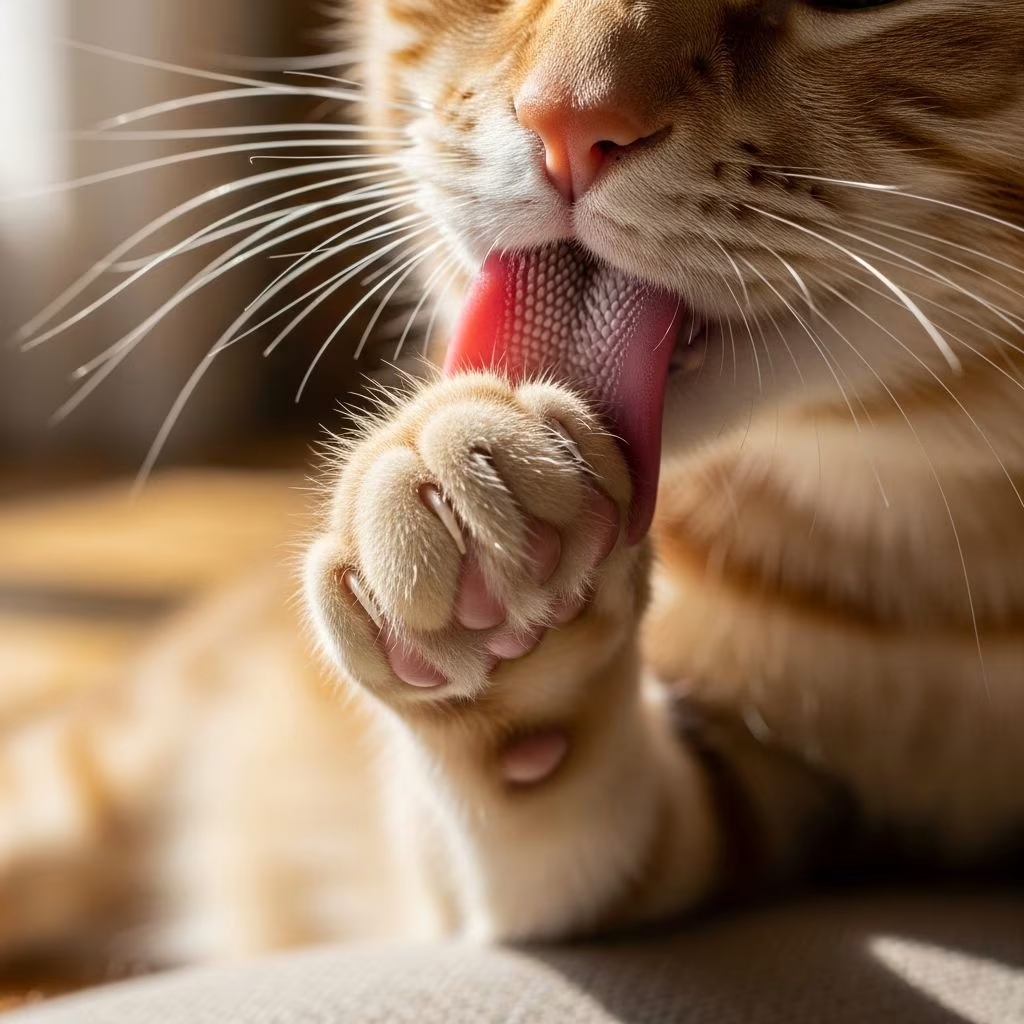
Excessive paw licking in cats often signals an underlying issue that requires attention from pet owners. While occasional grooming is normal, persistent behavior can lead to skin damage, hair loss, or infections if ignored. This comprehensive guide examines the primary triggers, diagnostic approaches, treatment options, and preventive measures to help your cat regain comfort.
Normal vs. Abnormal Paw Licking Behavior
Cats naturally lick their paws as part of daily grooming routines, which helps remove dirt, distribute natural oils, and regulate body temperature through evaporation. In hot weather, this action cools the paws effectively. Additionally, paw licking releases endorphins, providing a sense of relaxation and pleasure.
However, when licking becomes obsessive—resulting in **bald patches**, **reddened skin**, **sores**, or **behavioral changes** like restlessness—it crosses into abnormal territory. Watch for these red flags:
- Localized focus on one or both paws
- Visible hair loss or thinning fur
- Skin irritation, swelling, or open wounds
- Accompanying symptoms such as limping, appetite loss, or unusual vocalization
- Increased frequency beyond typical grooming sessions
Early detection prevents complications like secondary bacterial infections from the cat’s rough tongue abrading the skin.
Medical Causes of Excessive Paw Licking
Many instances of over-licking stem from physical discomfort. Identifying the root cause through observation and veterinary input is crucial.
Allergies: A Leading Trigger
**Allergies** rank among the top reasons for paw licking, affecting the skin on paws that frequently contact irritants. Environmental allergens like pollen, dust mites, mold, or household cleaners provoke itching, as do food sensitivities to proteins in certain diets. Contact dermatitis from litter or flooring materials can also play a role.
Cats allergic to flea saliva may react intensely to even a single bite, intensifying the itch-lick cycle. Symptoms often include generalized itching beyond paws, but paws suffer most due to direct exposure.
Parasites and Pests
Fleas, ticks, mites, and ear mites infest paws and surrounding areas, causing relentless itching. Flea dirt—black specks in fur—confirms suspicion. Mites burrow into skin, leading to scabs and inflammation. Untreated, these parasites spread, worsening the problem.
Infections and Injuries
Bacterial, fungal, or yeast infections thrive in moist paw environments, especially post-injury. Cuts, thorns, splinters, or burns from hot surfaces prompt licking for soothing saliva enzymes. Arthritis or dental pain may manifest as paw-focused licking if the cat associates it with relief.
| Cause | Common Signs | Potential Complications |
|---|---|---|
| Allergies | Itchy, red paws; sneezing | Bald spots, secondary infection |
| Parasites | Flea dirt, mites; scratching | Infestation spread, anemia |
| Infections | Swelling, odor, pus | Chronic wounds |
| Injuries | Limping, cuts, thorns | Abscess formation |
Behavioral and Psychological Factors
Not all excessive licking is medical; stress and boredom contribute significantly. Cats under duress from household changes, new pets, or isolation lick paws to self-soothe via endorphin release. Boredom in understimulated environments leads to compulsive grooming as entertainment.
Neurological issues or anxiety disorders amplify this, mimicking medical signs. Differentiating requires noting triggers like recent moves or routine disruptions.
Steps for Home Assessment
Before rushing to the vet, evaluate at home:
- Inspect paws closely: Part fur to check for fleas, wounds, swelling, or foreign objects.
- Review environment: Note litter type, cleaning products, diet changes, or new stressors.
- Monitor patterns: Track licking duration, time of day, and associated behaviors like hiding or aggression.
- Try interim relief: Apply pet-safe paw balm, provide distraction toys, or switch to hypoallergenic litter.
If symptoms persist beyond 48 hours or worsen, seek professional help immediately.
Veterinary Diagnosis and Treatment Plans
A vet performs a full exam, including skin scrapes, cytology for infections, allergy testing, and bloodwork if systemic issues are suspected. Fecal tests rule out internal parasites.
Treatments are cause-specific:
- Antibiotics/antifungals for infections; anti-inflammatories for pain.
- Preventive flea/tick meds like topical or oral applications.
- Hypoallergenic diets or antihistamines for allergies.
- Cone collars or bitter sprays to break the lick cycle temporarily.
- Anxiolytics or pheromone diffusers for stress.
Follow-up ensures resolution; chronic cases may need referral to a dermatologist.
Prevention Strategies for Healthy Paws
Proactive care minimizes risks:
- Monthly parasite preventives year-round.
- High-quality, limited-ingredient diets to avoid food allergies.
- Regular grooming and paw checks during play.
- Enriched environments with scratching posts, puzzle feeders, and vertical spaces to combat boredom.
- Unscented, dust-free litter and gentle cleaners.
Annual wellness exams catch issues early.
FAQs on Cat Paw Licking
Is occasional paw licking normal?
Yes, it’s a standard grooming habit, but excess with skin changes warrants concern.
Can diet cause paw licking?
Absolutely; food allergies trigger skin reactions leading to licking.
How do I stop my cat from licking paws at night?
Address underlying causes; use soft booties or distractions, but consult a vet first.
Will my cat’s fur grow back after over-licking?
Typically yes, once the trigger is resolved and skin heals.
When is emergency vet care needed?
For bleeding sores, limping, or refusal to eat.
Long-Term Management for Chronic Cases
For recurring issues, maintain a symptom journal noting diet, environment, and stressors. Combine vet treatments with lifestyle tweaks like increased playtime (15-20 minutes daily) to boost mental health. Omega-3 supplements support skin barrier function, reducing allergy flares. Patience is key; full recovery may take weeks.
Understanding excessive paw licking empowers owners to act swiftly, preventing escalation. With targeted interventions, most cats return to normal grooming habits, enjoying itch-free paws and happy lives.
References
- Excessive Paw Licking In Cats | Causes and Solutions — Pet Assure. 2023. https://www.petassure.com/maxscorner/excessive-paw-licking-in-cats-explained/
- Excessive Licking in Cats: Why Do Cats Do This? — Festival Animal Clinic. 2024. https://festivalanimalclinic.com/blog/excessive-licking-in-cats/
- Why Is My Cat Licking Its Paws? Understanding Causes and Solutions — Brown Vet Hospital. 2023. https://brownvethospital.com/blog/cat-licking-paws/
- Cats that Lick Too Much — Cornell University College of Veterinary Medicine. 2022-01-15. https://www.vet.cornell.edu/departments-centers-and-institutes/cornell-feline-health-center/health-information/feline-health-topics/cats-lick-too-much
- Why Cats Overgroom and How You Can Stop It — PetMD. 2024. https://www.petmd.com/cat/general-health/how-tell-if-your-cat-over-grooming



