

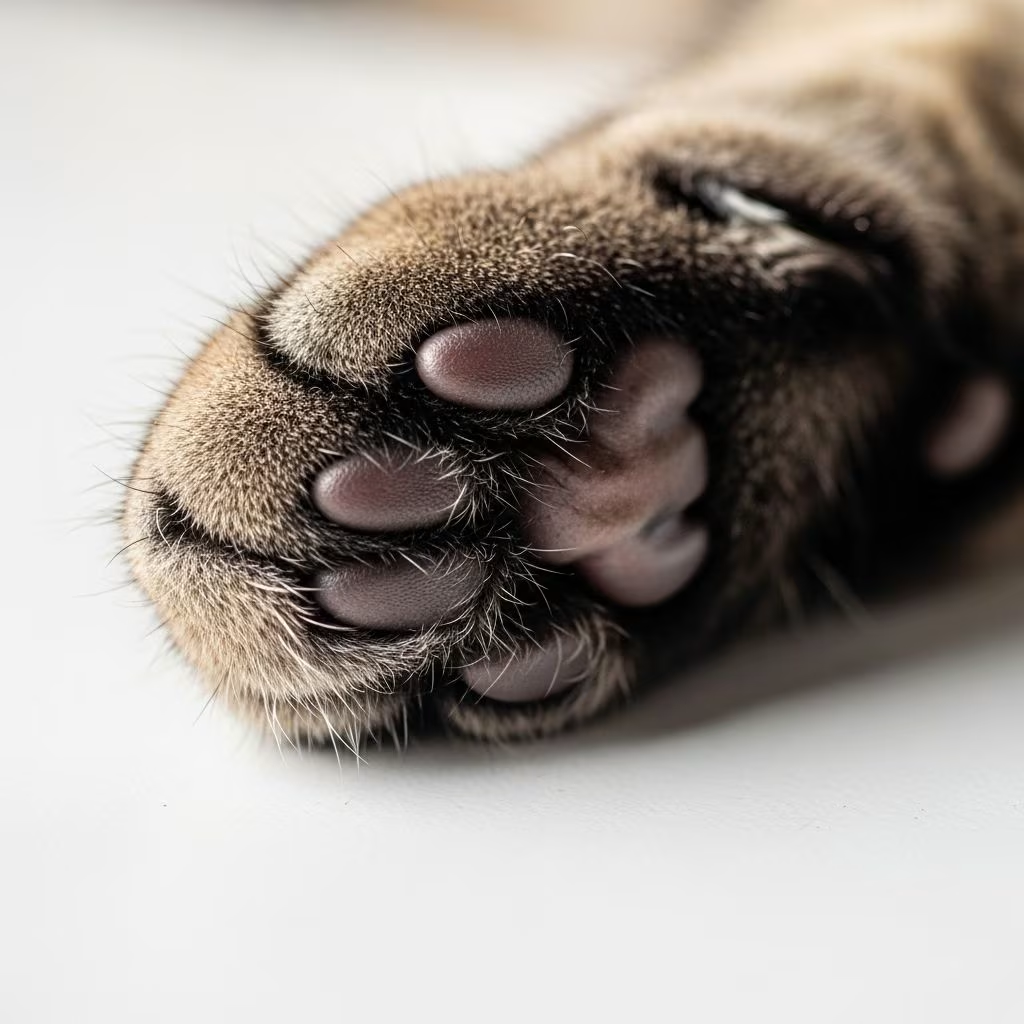
Cat paws, often called “toe beans,” are more than adorable cushions—they’re marvels of evolution designed for stealth, agility, and survival. From shock absorption to scent marking, these petite structures enable cats to leap heights six times their body length, stalk prey silently, and navigate diverse terrains. This article dives into 15 captivating facts about cat paws, blending anatomy, functions, and fun trivia to deepen your appreciation for your feline friend’s feet.
Cat Paw Anatomy Basics
Understanding cat paw structure reveals why felines are such athletic wonders. Most cats have **18 toes total**: five on each front paw (including a dewclaw) and four on each hind paw. The front paws function like hands with a thumb-like dewclaw for gripping and climbing, while hind paws prioritize power for jumping and sprinting.
Paw pads consist of **fatty tissue encased in tough, collagen-bound skin**, forming fluid-filled sacs with blood vessels, nerves, and scent glands. These **digital pads** (toe beans), metacarpal/metatarsal pads, and the front carpal pad create a versatile system. Claws emerge from the paw’s terminal bones, unlike human nails, making declawing a severe procedure involving bone amputation-not recommended by experts.
15 Fascinating Cat Paw Facts
Here are **15 eye-opening facts** about cat paws, drawn from veterinary insights and anatomical studies.
- Cats have built-in shock absorbers. Thick paw pads cushion impacts, allowing jumps up to six times their height without injury. They muffle sounds for silent stalking.
- Front paws have five toes, hinds have four. The extra front toe, a dewclaw, aids hunting and climbing like an opposable thumb.
- Paw pads are unique like fingerprints. Each cat’s pads have distinct patterns, packed with sensory receptors for texture and temperature detection.
- Polydactyly makes some cats extra-toed. Genetic polydactyl cats boast 6+ toes per paw, up to 28 total—seen in breeds like Maine Coons.
- Scent glands mark territory. Interdigital glands in pads release pheromones, letting cats claim spaces via paw-kneading or walking.
- Paws cool the body. Hairless pads house sweat glands for thermoregulation, unlike fur-covered bodies.
- Claws retract fully. Tendons keep claws sheathed, preserving sharpness for hunting; they extend only when needed.
- Pads sense subtle vibrations. Nerves detect prey movements or surface changes, enhancing hunting prowess.
- Toe beans match coat colors. Black cats have dark pads, tabbies pink-and-black—shaped like jellybeans for cuteness and function.
- Back paws power agility. Streamlined with four toes, they excel in propulsion for sprints and balance.
- Cats sweat when stressed. Pad glands release moisture during anxiety, leaving prints at the vet.
- Paws aid righting reflex. Flexible anatomy helps cats twist mid-air to land on feet.
- Whisker-like pads on fronts. Some cats have sensitive structures mimicking whiskers for navigation.
- Bones mirror human hands. Cat front paws have similar skeletal elements to hands, adapted for claws.
- Pads protect from extremes. Thick skin insulates against heat, cold, and rough surfaces.
Functions of Cat Paw Pads
Cat paw pads multitask beyond aesthetics. Here’s a breakdown:
| Function | Description | Key Benefit |
|---|---|---|
| Shock Absorption | Fatty pads compress on impact | Prevents injury from high jumps |
| Stealth Walking | Muffles footsteps | Silent hunting |
| Territory Marking | Scent glands release pheromones | Communication and ownership |
| Thermoregulation | Sweat glands cool body | Body temperature control |
| Sensory Detection | Nerves sense texture/temp | Environmental awareness |
Front vs. Back Paws: Key Differences
Front paws are dexterous “hands” with five toes and a carpal pad, ideal for manipulation. Hind paws, with four toes, focus on strength for leaping—up to 6 feet vertically. This asymmetry optimizes cats for versatile movement.
Caring for Your Cat’s Paws
Healthy paws ensure mobility. Check for cracks, swelling, or foreign objects weekly. Trim claws every 2-4 weeks if indoors; provide scratching posts. Avoid declawing—opt for nail caps. Moisturize dry pads with vet-approved balms; watch for limping indicating injury.
- Inspect after outdoor adventures.
- Clean litter box to prevent infections.
- Discourage chewing toxic plants affecting pads.
Frequently Asked Questions (FAQs)
What are cat paw pads made of?
Cat paw pads are fatty tissue bound by collagen, covered in thick skin with nerves, vessels, and glands.
Why do cats knead with their paws?
Kneading releases pheromones from pad glands, marking territory and mimicking kitten nursing.
Can cats feel pain in their paws?
Yes, pads are nerve-rich, sensing pain, pressure, and temperature acutely.
Are polydactyl paws healthy?
Yes, extra toes are genetic and harmless, though they may need extra claw trims.
How often should I trim cat claws?
Every 10-14 days for indoors cats; natural wear suffices for outdoor ones.
Fun Trivia: Cat Paws in Pop Culture
Cat paws inspire memes like “toe beans,” but their real feats—like surviving 100+ foot falls via paw cushioning—rival superheroes. Breeds like polydactyl “Hemingway cats” from Key West showcase paw diversity.
Evolution honed cat paws for survival: silent hunters with sensory superpowers. Next time your cat pads softly across the floor, marvel at these unsung heroes.
References
- Cat Paw Pads: Vet-Verified Anatomy & Functions Explained — Catster. 2023. https://www.catster.com/lifestyle/cat-paw-pads-anatomy/
- Skeletal structure of human versus cat hand — 3D Anatomy Studios. N/A. https://3danatomystudios.com/portfolio/skeletal-structure-of-human-versus-cat-hand/
- The Ultimate Guide to Your Cat’s Paws — Comforted Kitty. N/A. https://comfortedkitty.com/understanding-cat-paws-guide/
- Cat Paws: 11 Fun Facts About Your Kitty’s Tootsies — Elite Veterinary Care. N/A. https://www.eliteveterinarycare.com/blog/cat-paws-11-fun-facts-about-your-kittys-tootsies
- Cat Toe Beans: Facts About Cat’s Feet — Dreamies Treats. N/A. https://www.dreamiestreats.co.uk/did-you-know/cat-toe-beans



