

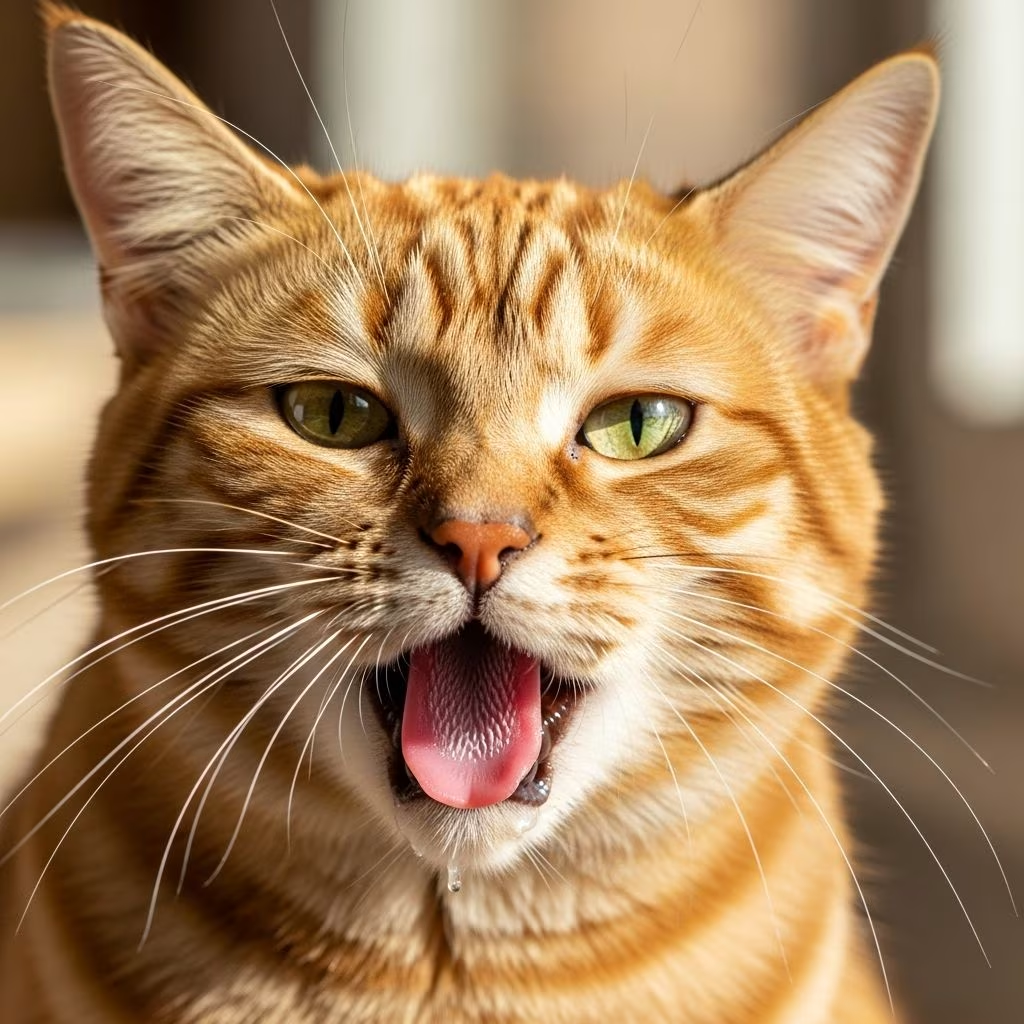
Unlike dogs, cats rarely pant as a normal cooling mechanism. Occasional panting after intense play or in hot weather might be benign, but persistent or sudden cat panting often signals underlying issues ranging from stress to life-threatening conditions. Understanding the difference between harmless huffing and emergency symptoms can save your cat’s life.
Is Panting Normal for Cats?
Cats are obligate nose breathers, relying on efficient nasal passages for thermoregulation rather than mouth panting like dogs. Panting becomes noticeable only under extreme duress, such as overheating, severe exertion, or respiratory compromise. Brief episodes post-play (under 5-10 minutes) that resolve with rest are typically normal, but any prolongation warrants monitoring.
- Normal scenarios: Short bursts after sprinting, wrestling toys, or climbing.
- Abnormal red flags: Panting at rest, open-mouth breathing with tongue out, blue gums, or collapse.
Indoor cats in cool environments should never pant regularly; even brachycephalic breeds like Persians are prone to issues but not habitual pant ers.
Common Causes of Cat Panting
Cat panting stems from efforts to increase oxygen intake or dissipate heat. Causes divide into benign, behavioral, and medical categories.
Overheating or Heatstroke
Cats pant to cool via evaporation when body temperature exceeds 39°C (102.2°F). High ambient heat, trapped in carriers, or post-exercise in summer triggers this. Symptoms escalate to drooling, vomiting, lethargy, and seizures in heatstroke.
- Prevention: Provide shaded, ventilated spaces; frozen treats; fans.
- Immediate action: Cool with damp towels on paws/ears; offer ice water; vet if no improvement in 10 minutes.
Stress and Anxiety
Veterinary visits, car trips, new pets, or loud noises provoke anxiety-induced panting as a fight-or-flight response. Cats may also vocalize, hide, or dilate pupils.
Observe triggers: Recent moves, fireworks? Calming pheromones (Feliway) or thiamine supplements help mild cases. Persistent anxiety needs behavioral vet consult.
Overexertion or Exercise
Kittens or athletic cats (Bengals, Abyssinians) may pant briefly after zoomies or laser chases. Healthy recovery occurs within minutes with normal pink gums and energy rebound.
Age matters: Seniors pant sooner due to reduced stamina; limit play sessions.
Serious Medical Causes of Cat Panting
Most concerning are respiratory, cardiac, and systemic diseases where panting compensates for oxygen debt. Seek emergency care if accompanied by lethargy, coughing, or rapid breathing (>30 breaths/min at rest).
Respiratory Infections
Viral (feline herpesvirus, calicivirus) or bacterial infections cause nasal congestion, mucus, and labored breathing. Upper respiratory infections (URI) lead to open-mouth panting.
Treatment: Supportive—humidifiers, nebulization, antibiotics for secondary infections. Unvaccinated cats are at higher risk.
Feline Asthma
Chronic inflammation narrows airways, causing wheezing, coughing (‘hairball’ mimic), and panting attacks. Triggers: Allergens, smoke, litter dust.
- Diagnosis: Chest X-rays, airway sampling.
- Treatment: Inhalers (fluticasone via AeroKat spacer), oral steroids short-term.
Heartworm Disease
Unlike dogs, cats suffer Heartworm Associated Respiratory Disease (HARD) from few worms dying in lungs, sparking inflammation. Panting, vomiting, weight loss ensue; fatal without prevention.
Monthly preventives (Revolution) essential; no adult worm cure exists.
Heart Disease
Hypertrophic cardiomyopathy (HCM) or congenital defects cause fluid buildup (CHF), restricting lungs. Panting signals decompensation.
- Echo diagnosis reveals thickened walls.
- Management: Diuretics (furosemide), beta-blockers; poor prognosis in advanced stages.
Anemia
Low red blood cells (from fleas, kidney disease, hemolysis) force rapid breathing/panting for oxygenation. Pale gums, weakness confirm.
Treat underlying cause: Transfusions, immunosuppressants.
Pain or Trauma
Severe pain from fractures, abdominal distension, or blockages manifests as panting since cats hide suffering.
Neurologic issues (seizures) or toxins also provoke.
Other Conditions
| Condition | Symptoms with Panting | Treatment |
|---|---|---|
| Congestive Heart Failure | Fluid in lungs, coughing | Drainage, meds |
| Lung Cancer/Fluid | Effusion, weight loss | Tap, chemo |
| Abdominal Enlargement | Bloating, distress | Surgery |
When to Call the Vet or Go to Emergency
Err on caution: Panting >10 minutes, at rest, or with these demands immediate vet:
- Gums pale/blue; rapid/shallow breaths (>40/min).
- Lethargy, anorexia, hiding, aggression.
- Wheezing, coughing, collapse, vomiting.
- Panting cycles (stops/starts).
First aid: Calm environment, cool if hot; no force-feeding. Vets may oxygenate, X-ray, bloodwork.
Diagnosis and Treatment Options
Vets start with history/physical, then:
- Diagnostics: Bloodwork, radiographs, ultrasound, heartworm test.
- Treatments: Antibiotics (infections), inhalers (asthma), surgery (heart/trauma), fluids/transfusions (anemia/shock).
Prognosis varies: Stress resolves quickly; heartworm/HCM may require euthanasia in crises.
Prevention Tips for Cat Panting
- Heartworm preventives year-round.
- Core vaccines against respiratory viruses.
- Low-dust litter; smoke-free home for asthmatics.
- Regular senior checkups (echo for HCM screening).
- Obesity control; cool summer housing.
Frequently Asked Questions (FAQs)
Why is my cat panting after playing?
Brief post-exercise panting is normal if it stops quickly in a cool, calm spot.
Is cat panting with mouth open always an emergency?
Not always, but if prolonged or with distress signs, yes—mouth breathing indicates nasal block or lung issues.
Can stress cause long-term panting in cats?
Acute yes; chronic needs vet rule-out of medical causes plus behavior therapy.
How do I cool a panting cat safely?
Room temp 20-22°C; damp cloths on paws; fans—no ice baths.
Does breed affect panting risk?
Flat-faced breeds more prone to respiratory strain.
References
- What You Should Do if Your Cat is Panting or Breathing Heavily — Friendly Animal Clinic. 2021-01-25. https://www.greensboroncvet.com/site/friendly-animal-clinic-blog/2021/01/25/what-do-cat-panting-breathing-heavily
- Why Is My Cat Panting? — Trudell Animal Health. N/A. https://trudellanimalhealth.com/blogs/blog/why-is-my-cat-panting
- Cat Panting? Possible Reasons and When To Call Your Vet — PetMD. N/A. https://www.petmd.com/cat/symptoms/cat-panting
- Why Is My Cat Panting? — Loveland Regional Animal Hospital. N/A. https://lovelandregional.com/blog/why-is-my-cat-panting/
- Why Is My Cat Panting? — Zoetis Petcare. N/A. https://www.zoetispetcare.com/blog/article/why-cat-panting
- Why Is My Cat Panting & Breathing Heavily: Treatment & Prevention — Greencross Vets. N/A. https://www.greencrossvets.com.au/pet-library/articles-of-interest/why-is-my-cat-panting/



