

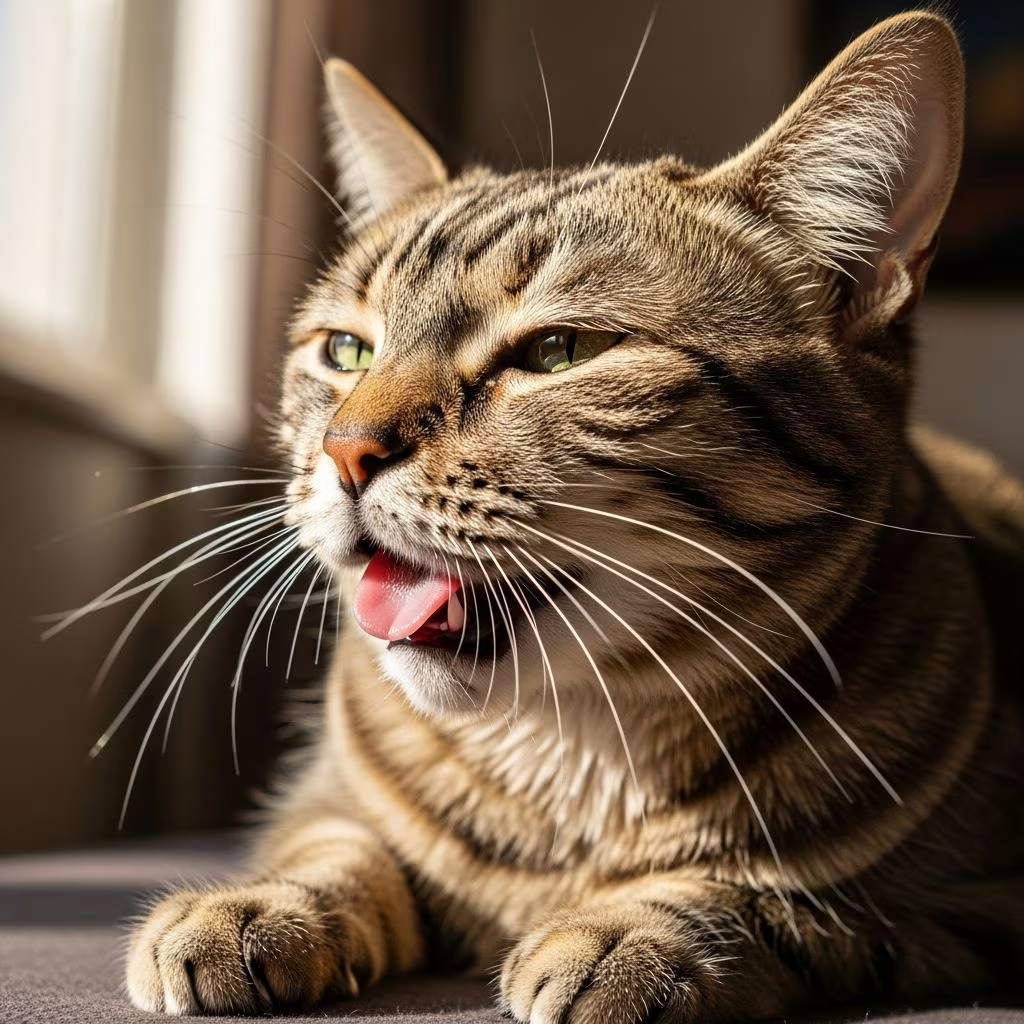
Cats primarily regulate body temperature through grooming and paw sweating, but panting occurs when these mechanisms fail, often signaling overheating, stress, or illness. Unlike dogs, felines rarely pant, making it a potential red flag for owners to monitor closely.
How Cats Stay Cool: Thermoregulation Basics
Felines maintain an ideal body temperature of around 100.5–102.5°F (38–39.2°C) via unique methods. Their fur insulates, while evaporation from saliva during grooming dissipates heat. Sweat glands exist mainly on paw pads, producing scant moisture insufficient for major cooling during exertion or heat.
- Grooming: Licking spreads saliva, which evaporates to lower temperature.
- Paw Pads: Minor sweating here aids slight cooling but can’t handle intense needs.
- Behavioral Adaptations: Seeking shade, stretching in cool breezes, or lying on cool surfaces.
When ambient heat exceeds 85°F (29°C) or during play, cats may resort to open-mouth breathing or panting to expel hot air and intake cooler oxygen.
Common Reasons for Cat Panting
Panting manifests as rapid, open-mouth breathing with tongue extended, differing from quiet nasal respiration. Brief episodes post-activity are typical, but persistence indicates issues.
| Cause | Description | Duration | Accompanying Signs |
|---|---|---|---|
| Exercise | After chasing toys or climbing | 1-5 minutes | Playful energy, quick recovery |
| Heat Exposure | High room temps or sun | Until cooled | Lethargy if prolonged |
| Stress | Car trips, vet visits | During stressor | Dilated pupils, hiding |
Overweight cats pant more readily due to inefficient heat loss, emphasizing weight management.
Why Do Cats Sweat from Their Paws?
Sweat appears as damp paw prints on floors, triggered by anxiety or heat. It’s a vestigial response; eccrine glands on pads release fluid, but volume is minimal. Observe during thunderstorms or baths—cats knead or pace, leaving moist tracks.
Damp paws alone rarely signal problems unless paired with trembling or avoidance behaviors, pointing to emotional distress rather than systemic disease.
When Panting Signals Health Problems
Prolonged panting (over 10 minutes), noisy breaths, or blue gums demand immediate action. Underlying conditions disrupt oxygen delivery or lung function.
Respiratory Conditions
Feline asthma inflames airways, causing wheezes and pants, often allergy-induced. Pneumonia from infections leads to fluid-filled lungs and labored breaths.
- Symptoms: Coughing, nasal discharge, fever.
- Treatment: Inhalers, antibiotics per vet.
Cardiac Issues
Hypertrophic cardiomyopathy thickens heart walls, impairing circulation and prompting pants from fluid buildup. Heartworm parasites inflame lungs via HARD syndrome, risking collapse.
Anemia and Pain
Low red blood cells from parasites or blood loss force compensatory panting. Severe pain from blockages or fractures elicits pants as stress response.
Recognizing Heatstroke in Cats
Cats succumb faster to heat than dogs due to poor panting efficiency. Symptoms escalate: heavy panting, drooling, vomiting, seizures.
- Move to AC room or fan area.
- Offer cool (not ice) water.
- Soak paws/cloth on belly.
- Vet if no improvement in 10 minutes.
Prevention: Indoor-only in summers, multiple water stations, shaded enclosures.
Stress-Induced Panting: Emotional Factors
New pets, moves, or fireworks trigger sympathetic nervous system surges, mimicking exertion. Chronic cases suggest anxiety disorders needing pheromone diffusers or behaviorists.
Table of Stressors:
| Trigger | Response | Mitigation |
|---|---|---|
| Vet/Car Ride | Panting, vocalizing | Feliway spray, covers |
| Household Changes | Pacing, hiding | Consistent routines |
| Loud Noises | Tail flicking | Quiet zones |
Diagnostic Steps for Persistent Panting
Vets use auscultation, X-rays, bloodwork to pinpoint causes. Track episodes: time, duration, triggers for accurate history.
- Exam: Heart/lung sounds, temp check.
- Tests: CBC for anemia, echo for heart.
- Therapies: Oxygen, meds tailored to diagnosis.
FAQs: Cat Panting and Sweating
Is panting normal after play?
Yes, briefly; it resolves quickly as cats cool.
Why does my cat pant with tongue out?
To maximize evaporation and oxygen intake, akin to canine panting.
Can obesity cause panting?
Absolutely; excess fat hinders cooling.
When is panting an emergency?
If with weakness, vomiting, or rapid gum color change—rush to ER.
Do cats sweat like humans?
No, limited to paws; main cooling is behavioral.
Prevention Tips for Healthy Felines
Maintain ideal weight via portioned Science Diet foods, ensure ventilation, annual heartworm preventives. Monitor seniors closely for subtle shifts.
Enrich environments to curb stress: scratching posts, window perches. Hydration fountains encourage drinking, reducing heat risks.
References
- Why Is My Cat Panting? — Loveland Regional Animal Hospital. 2023. https://lovelandregional.com/blog/why-is-my-cat-panting/
- Cat Panting? Possible Reasons and When To Call Your Vet — PetMD. 2024-01-15. https://www.petmd.com/cat/symptoms/cat-panting
- Is Your Cat Panting? What It Could Mean and When to Worry — Sahara Pines Animal Hospital. 2023. https://saharapinesah.com/blog/cat-panting/
- Cat Panting or Breathing Heavily (Dyspnea) — Small Door Veterinary. 2024. https://www.smalldoorvet.com/learning-center/medical/cat-panting
- Cat Panting: Causes and When it’s an Emergency — VEG ER for Pets. 2023-06-20. https://www.veg.com/post/cat-panting
- Why Is My Cat Panting? — Trudell Animal Health. 2024. https://trudellanimalhealth.com/blogs/blog/why-is-my-cat-panting
- Cat Panting With Mouth Open: Urgent Causes and What to Do — GSVS. 2023. https://gsvs.org/blog/cat-panting-open-mouth-emergency/



