

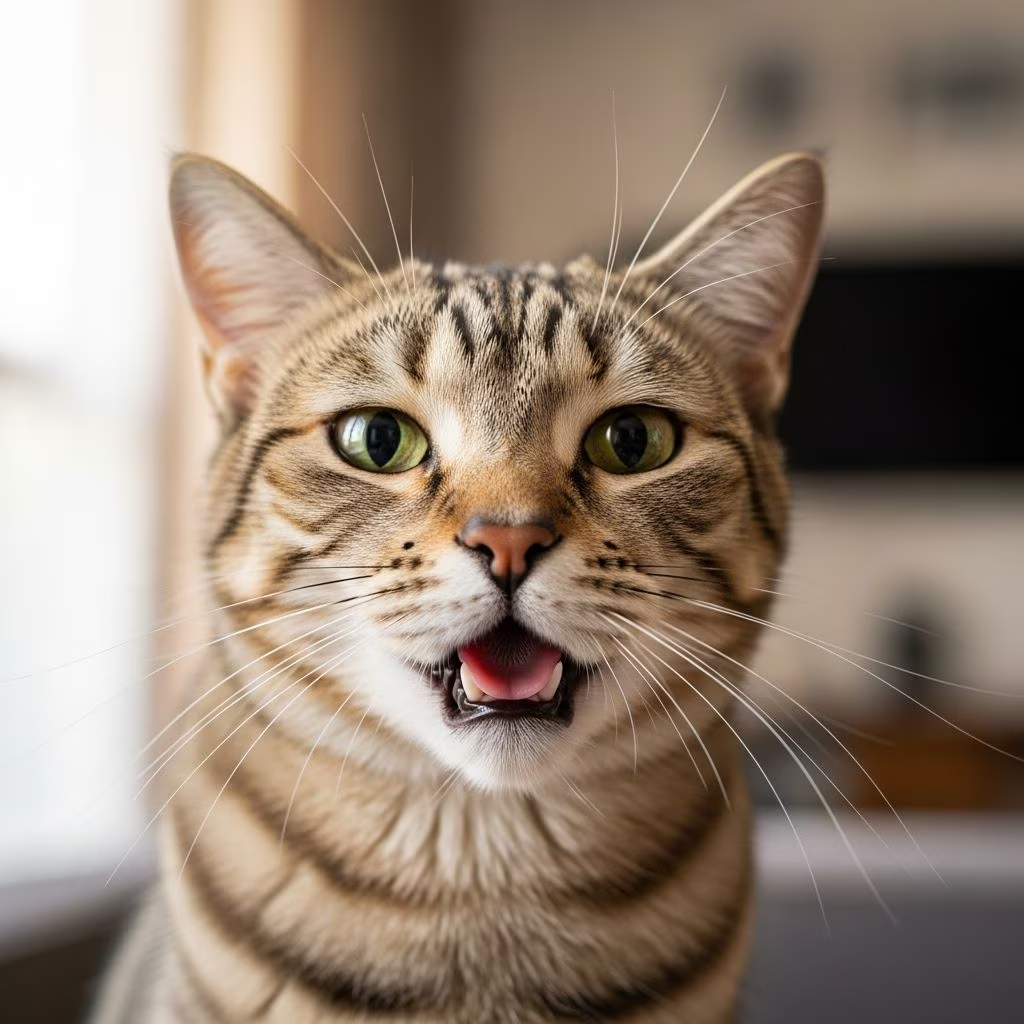
Unlike dogs, cats rarely pant as a normal cooling mechanism, making open-mouth breathing a potential red flag for owners. While brief episodes after play or stress may resolve quickly, ongoing or intense panting often indicates underlying health concerns requiring prompt attention.
Understanding Feline Breathing Patterns
Cats primarily regulate body temperature through grooming and seeking cool surfaces, not panting like canines. Normal resting respiration in cats ranges from 15-30 breaths per minute, with quiet, nasal breathing. Panting involves rapid, open-mouth efforts that exceed this, signaling the body struggles to oxygenate effectively.
Observe your cat’s baseline: playful exertion might cause 1-2 minutes of mild panting that subsides as they relax. Anything prolonged, noisy, or paired with lethargy demands scrutiny.
Everyday Triggers for Cat Panting
Not all panting spells emergency vet visits. Common benign causes include:
- Post-Exercise Recovery: After chasing toys or climbing, cats may pant briefly to expel heat. This typically lasts under 5 minutes in a cool environment.
- Environmental Heat: Warm rooms or summer outings can prompt cooling attempts. Indoor cats pant less efficiently than outdoor explorers returning overheated.
- Acute Stress: Vet trips, loud vacuums, or new pets trigger anxiety-induced hyperventilation. Calming pheromones or quiet spaces often resolve it.
Monitor duration and context: if panting eases within 10-15 minutes without distress, it’s likely non-issue. Persistent cases warrant deeper investigation.
Red Flags: When Panting Indicates Trouble
Escalating signs transform panting from quirky to critical. Seek immediate care if accompanied by:
- Gums pale, blue, or brick-red (poor oxygenation).
- Labored belly breathing or wheezing.
- Lethargy, vomiting, or collapse.
- Panting at rest or in cool conditions.
These suggest oxygen deprivation, where delays can lead to organ damage. Emergency indicators include rapid progression from mild to severe distress.
Respiratory Conditions Behind Panting
Lung and airway issues top the list for abnormal breathing in felines. Key culprits:
- Feline Asthma: Chronic inflammation narrows airways, causing cough-pant cycles. Triggers include allergens or irritants; episodes mimic attacks with wheezing.
- Infections (URI/Pneumonia): Viral or bacterial assaults cause congestion, fever, and mucus buildup, forcing open-mouth efforts. Humidifiers aid recovery alongside antibiotics if secondary.
- Pleural Effusion: Fluid around lungs from infection or trauma compresses breathing space, leading to rapid pants.
Diagnosis involves chest X-rays and bloodwork; treatments range from inhalers to drainage.
Heart-Related Panting Causes
Cardiac problems impair circulation, flooding lungs with fluid and prompting desperate breathing. Common in seniors:
- Congestive Heart Failure: Weakened pumps cause pulmonary edema; cats pant from pain and hypoxia in late stages.
- Heartworm Disease: Parasites inflame vessels, mimicking respiratory woes with coughs and fatigue.
Echocardiograms confirm; diuretics and oxygen stabilize acutely.
Pain and Metabolic Factors
Invisible agonies manifest as panting, as cats mask discomfort evolutionarily. Sources include:
- Trauma, arthritis, or abdominal issues elevating heart rate.
- Anemia or diabetes disrupting oxygen delivery, forcing compensatory breaths.
- Poisoning (e.g., toxins) or fever amplifying metabolic demands.
Thorough exams, including palpation and labs, pinpoint origins. Pain meds and fluids provide relief.
Table: Panting Causes Comparison
| Cause Type | Examples | Duration | Urgency | Accompanying Signs |
|---|---|---|---|---|
| Benign | Exercise, Stress, Mild Heat | <5-15 min | Low | Normal energy post-resolution |
| Respiratory | Asthma, Infections | Recurrent/Prolonged | High | Cough, Wheeze, Discharge |
| Cardiac | Heart Failure, Heartworm | Persistent | Emergency | Lethargy, Fluid Sounds |
| Pain/Metabolic | Injury, Anemia | Variable | Moderate-High | Limping, Weakness |
First Aid for Panting Cats
While rushing to the vet:
- Relocate to cool, quiet, dim space; avoid handling if combative.
- Moisten paws/ears with cool (not ice-cold) water.
- Monitor but don’t force water/food—risk aspiration.
- Transport in carrier with oxygen flow if available.
Vets initiate oxygen therapy, IV fluids, and diagnostics like radiographs.
Preventing Panting Episodes
Proactive steps reduce risks:
- Maintain cool home temps (<78°F); provide shaded outdoor access.
- Minimize stressors with routines, hiding spots, Feliway diffusers.
- Annual checkups catch early heart/respiratory issues.
- Heartworm preventives for at-risk cats.
- Obesity control eases breathing load.
Diagnostic Journey at the Vet
Expect comprehensive evaluation:
- History and physical: auscultation for abnormalities.
- Blood panels: rule out infection, anemia, electrolytes.
- Imaging: X-rays/CT for lungs/heart.
- Advanced: Echo, bronchoscopy if needed.
Tailored therapies follow, from steroids for asthma to surgery for obstructions.
FAQs on Cat Panting
Is panting ever normal in cats?
Yes, briefly after exertion or stress, but not routinely like dogs.
How long is too long for cat panting?
Beyond 10-15 minutes, or with distress signs, contact a vet immediately.
Can heatstroke kill my cat quickly?
Yes; cool promptly and seek emergency care for rapid breathing.
Does age affect panting risks?
Seniors face higher cardiac/respiratory odds; all ages susceptible to infections.
Should I ignore panting after play?
Only if it stops quickly; persistent post-play needs evaluation.
Long-Term Management Strategies
For chronic cases like asthma:
- Environmental controls: dust-free litter, air purifiers.
- Medications: inhaled corticosteroids, bronchodilators.
- Dietary support: omega-3s for inflammation.
- Regular monitoring: home respiration counts.
Heart conditions may involve lifelong diuretics and low-sodium diets.
References
- Is Your Cat Panting? When to Worry and What to Do — Laurel Veterinary Clinic. 2023. https://laurelpets.com/?p=12435
- Panting in Cats – Causes, Treatment and Associated Symptoms — Vetster. 2024. https://vetster.com/en/symptoms/cat/panting
- What You Should Do if Your Cat is Panting or Breathing Heavily — Friendly Animal Clinic. 2021-01-25. https://www.greensboroncvet.com/site/friendly-animal-clinic-blog/2021/01/25/what-do-cat-panting-breathing-heavily
- Cat Panting: Causes and When it’s an Emergency — VEG ER for Pets. 2024. https://www.veg.com/post/cat-panting
- Why Is My Cat Panting? — Loveland Regional Animal Hospital. 2023. https://lovelandregional.com/blog/why-is-my-cat-panting/
- Why Is My Cat Panting & Breathing Heavily: Treatment & Prevention — Green Cross Vets. 2024. https://www.greencrossvets.com.au/pet-library/articles-of-interest/why-is-my-cat-panting/
- Cat Panting With Mouth Open: Urgent Causes and What to Do — Garden State Veterinary Specialists. 2023. https://www.gsvs.org/woodbridge-nj/blog/cat-panting-open-mouth-emergency/



