

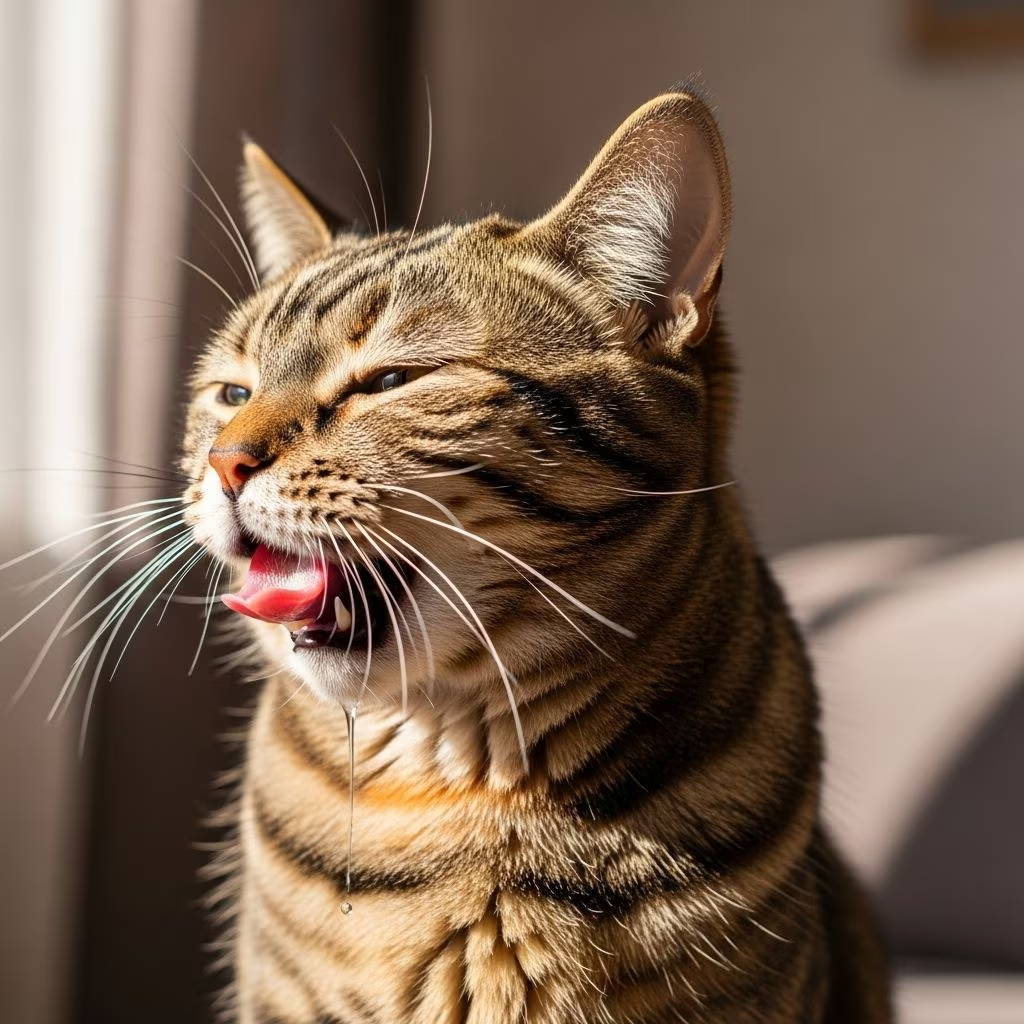
Cat panting differs from dogs, where it’s a standard cooling method. Felines rarely pant under normal conditions, making it a potential red flag for owners to monitor closely. Understanding the context helps distinguish benign episodes from those requiring professional intervention.
Recognizing Normal vs. Abnormal Panting Patterns
Observe your cat’s behavior during panting episodes. Brief panting after intense play or in hot environments often resolves quickly without other symptoms. Persistent open-mouth breathing at rest, especially with rapid respiration, indicates distress.
- Normal indicators: Short duration (under 5 minutes), follows activity or heat exposure, cat remains alert and responsive.
- Abnormal signs: Lasts longer than 10 minutes, occurs during rest, accompanied by lethargy, coughing, or blue gums.
Cats regulate temperature mainly through grooming and seeking shade, so reliance on panting suggests inefficiency in their cooling system.
Everyday Triggers for Temporary Panting
Certain situations provoke harmless panting that subsides naturally. Kittens during vigorous chases or adults after sprinting across rooms may breathe heavily momentarily.
| Trigger | Description | Duration |
|---|---|---|
| Play Sessions | Energetic zooming or toy pursuits elevate heart rate. | 1-3 minutes |
| Warm Environments | High room temps or direct sunlight prompt cooling attempts. | Until cooled |
| Short Stress Bursts | Vet trips or loud thunderstorms cause anxiety-driven breaths. | During event |
These instances rarely escalate if the environment stabilizes. Provide cool water and quiet spaces to aid recovery.
Medical Conditions Behind Persistent Panting
When panting lingers, underlying health problems demand attention. Respiratory challenges top the list, followed by cardiac and systemic issues.
Airway and Lung Disorders
Feline asthma narrows airways, leading to wheezing and open-mouth efforts to oxygenate. Infections like upper respiratory viruses cause congestion, forcing labored breaths. Symptoms include nasal discharge and fatigue.
Bronchial inflammation from allergens or irritants exacerbates these, mimicking human conditions but requiring cat-specific treatments like inhalers.
Cardiac Complications
Hypertrophic cardiomyopathy thickens heart walls, impairing blood flow and causing lung fluid accumulation. Affected cats pant from oxygen shortages, often tiring after minimal exertion. Heartworm parasites inflame vessels, triggering similar respiratory strain.
Pain and Systemic Distress
Injuries, arthritis, or abdominal issues provoke panting as a pain response. Fever from infections raises body heat, compelling cooling breaths. Anemia reduces oxygen-carrying cells, accelerating respiration rates.
Environmental and Behavioral Factors
Beyond physiology, surroundings play a role. Overheating in cars or unventilated rooms risks heatstroke, where panting fails to prevent organ damage. Signs progress to vomiting and collapse.
Anxiety from changes like new pets or moves heightens breathing. Chronic stress may evolve into hyperventilation, needing behavioral aids.
Spotting Emergency Situations
Act swiftly if panting pairs with these:
- Blue or pale gums indicating oxygen deprivation.
- Extreme lethargy or hiding behaviors.
- Coughing, vomiting, or rapid weak pulses.
- High fever (over 103°F) or seizures.
These signal potential collapse; rush to an emergency vet. Delays in heart failure or heatstroke cases worsen outcomes.
Diagnostic Approaches for Panting Cats
Vets start with physical exams, listening to lungs and checking heart rhythms. Blood panels detect anemia, infections, or organ stress. Imaging like X-rays reveals fluid or masses; ultrasounds assess heart function.
Endoscopy explores airways for obstructions. These steps pinpoint causes efficiently.
Treatment Strategies Tailored to Causes
Supportive care stabilizes first: oxygen therapy, fluids, and cooling for heat cases. Specifics follow diagnosis.
- Asthma: Inhaled steroids or bronchodilators reduce inflammation.
- Infections: Antibiotics for bacterial overlays on viral bases.
- Heart conditions: Diuretics drain fluids; medications support pumping.
- Anxiety: Pheromone diffusers or anti-anxiety meds.
Follow-up monitors progress, adjusting plans as needed.
Preventive Measures for Respiratory Wellness
Minimize risks through proactive habits. Maintain indoor-only lifestyles to avoid parasites and fights. Vaccinate against respiratory viruses. Use air purifiers in dusty homes.
Monitor weight to ease heart strain. Annual checkups catch early cardiac signs. Cool bedding and fans prevent summer overheating.
FAQs on Cat Panting
Is panting ever okay for cats?
Yes, briefly after exercise or stress, but monitor for persistence.
How fast is too fast for cat breathing?
Over 30 breaths per minute at rest warrants concern; normal is 15-30.
Can obesity cause panting?
Yes, excess weight burdens lungs and heart, promoting labored breaths.
What home remedies help mild panting?
Cool areas, hydration, and calm environments; avoid meds without vet advice.
Does breed affect panting likelihood?
Brachycephalic breeds like Persians face higher respiratory risks.
This comprehensive guide empowers owners to safeguard feline health. Prompt observation and action preserve your cat’s vitality.
References
- Is Your Cat Panting? When to Worry and What to Do — Laurel Pets. 2023. https://laurelpets.com/blog/cat-panting/
- Why Is My Cat Panting? — Loveland Regional Animal Hospital. 2023. https://lovelandregional.com/blog/why-is-my-cat-panting/
- Panting in Cats – Causes, Treatment and Associated Symptoms — Vetster. 2024. https://vetster.com/en/symptoms/cat/panting
- Cat Panting: Causes and When it’s an Emergency — VEG ER for Pets. 2023. https://www.veg.com/post/cat-panting
- Why is My Cat Panting? — Zoetis Petcare. 2024. https://www.zoetispetcare.com/blog/article/why-cat-panting
- Why Is My Cat Panting? — Trudell Animal Health. 2023. https://trudellanimalhealth.com/blogs/blog/why-is-my-cat-panting



