

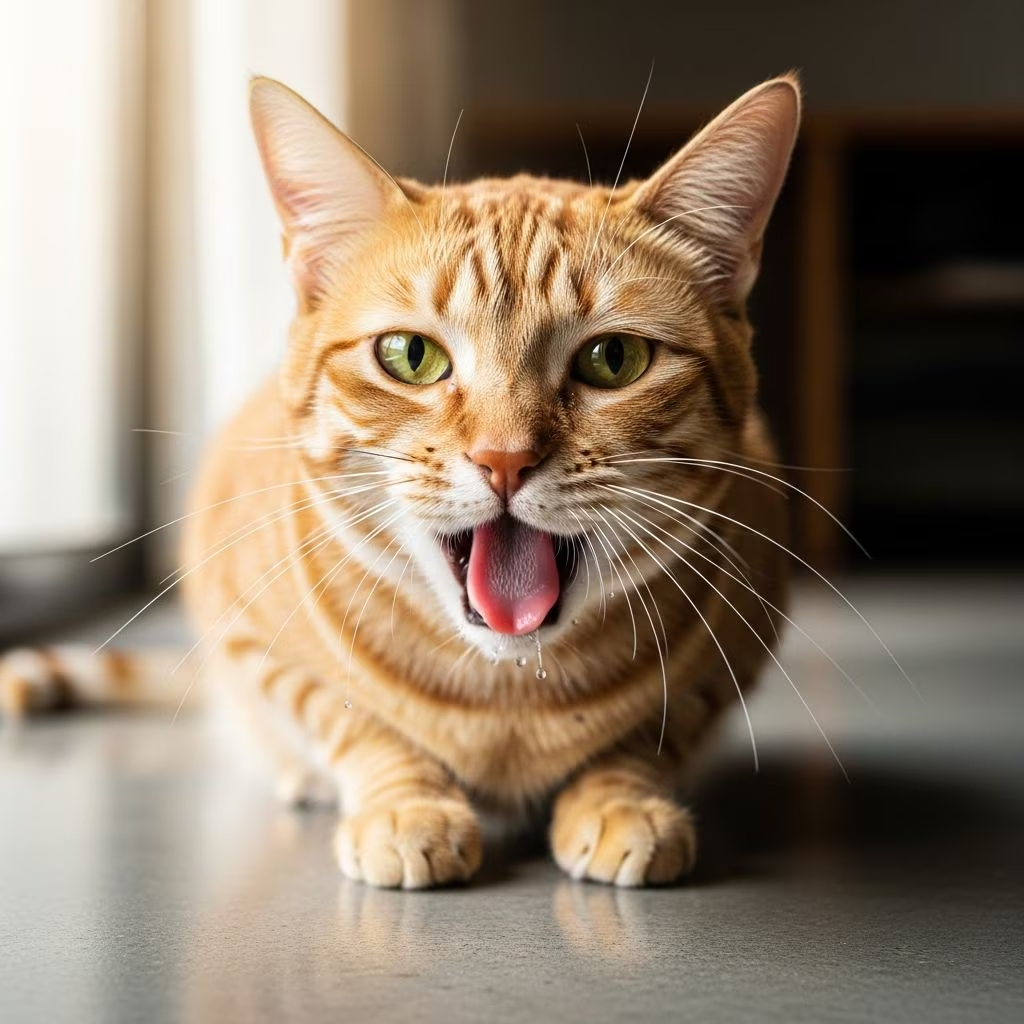
Observing a cat panting can raise immediate concern for many pet owners, as felines rarely breathe with open mouths under normal circumstances. Unlike dogs, which use panting as a primary cooling mechanism, cats typically regulate temperature through grooming and seeking shade. When panting occurs, it often indicates exertion, environmental stress, or an underlying medical condition requiring attention.
Normal Reasons Cats Pant
Cats may pant briefly after intense activity or in response to temporary discomfort. These instances usually resolve quickly without intervention.
- Post-Exercise Recovery: Vigorous play sessions, such as chasing toys or climbing, can elevate a cat’s heart rate, leading to short-term panting as they recover oxygen levels. This behavior mirrors human breathlessness after a sprint and should subside within minutes in a cool, calm environment.
- Overheating Episodes: High ambient temperatures, especially in enclosed spaces like cars or sunny rooms, prompt cats to pant in an attempt to dissipate heat. Moving the cat to a shaded, ventilated area with water access often alleviates this.
- Stress Responses: Situations like car rides, vet visits, or household changes can trigger anxiety-induced panting. Cats under stress may exhibit rapid, shallow breaths alongside hiding or dilated pupils.
These benign causes are characterized by panting lasting under five minutes, with the cat appearing otherwise alert and responsive.
Warning Signs of Abnormal Panting
Persistent or intense panting demands scrutiny, particularly when paired with additional symptoms. Distinguishing normal from problematic panting hinges on duration, frequency, and context.
| Symptom | Normal Panting | Abnormal Panting |
|---|---|---|
| Duration | <5 minutes, post-activity | >5 minutes, at rest |
| Breathing Rate | Steady recovery | Rapid, raspy, or labored |
| Associated Signs | None or mild fatigue | Lethargy, vomiting, blue gums |
| Gum Color | Pink | Pale, blue-tinged |
Any panting accompanied by weakness, collapse, or wheezing warrants immediate veterinary evaluation.
Respiratory Conditions Triggering Panting
Issues affecting the lungs or airways often manifest as open-mouth breathing due to oxygen deprivation.
- Feline Asthma: This chronic inflammation causes airway constriction, leading to wheezing, coughing, and panting attacks. Triggers include allergens like dust or pollen, with episodes worsening at night or after exposure.
- Infections and Pneumonia: Viral or bacterial respiratory infections result in nasal congestion, fever, and fluid in the lungs, forcing compensatory panting. Sneezing and discharge frequently coexist.
- Airway Obstructions: Foreign objects, tumors, or swelling can block passages, causing distressed breathing patterns.
Diagnosis typically involves chest X-rays and bloodwork to pinpoint inflammation or infection sources.
Cardiac Problems and Panting
Heart conditions impair efficient blood oxygenation, compelling cats to pant for air.
- Congestive Heart Failure: Diseases like hypertrophic cardiomyopathy (HCM) lead to fluid accumulation around the lungs, restricting expansion and causing rapid panting, fatigue, and reduced appetite. Older cats are prone, but congenital forms affect younger ones.
- Heartworm Disease: Parasitic worms damage pulmonary vessels, inducing Heartworm Associated Respiratory Disease (HARD). Sudden panting, coughing, and collapse can occur, especially post-worm death.
Echocardiograms confirm structural abnormalities, with treatments focusing on diuretics and oxygen therapy.
Pain, Anemia, and Metabolic Factors
Systemic imbalances or discomfort can indirectly elevate respiratory efforts.
- Severe Pain: Injuries like fractures or urinary blockages provoke panting as cats struggle to cope. Behavioral changes, such as vocalizing or limping, often accompany this.
- Anemia: Low red blood cell counts from blood loss, infections, or autoimmune issues reduce oxygen transport, resulting in compensatory panting, weakness, and pale gums.
- Fever or Metabolic Disorders: Elevated temperatures from infections or conditions like hyperthyroidism increase metabolic demands, manifesting as panting.
Blood tests reveal anemia or inflammatory markers, guiding targeted therapies like transfusions or pain management.
Emergency Situations: Heatstroke and Acute Distress
Life-threatening overheating progresses rapidly in cats.
- Symptoms escalate from panting to drooling, vomiting, incoordination, and seizures. Core temperatures exceed 104°F (40°C), necessitating ice packs, cool fluids, and urgent care.
Prevention involves constant fresh water, air-conditioned spaces, and avoiding car confinement. Act within minutes of suspected heatstroke.
Diagnostic Approaches for Panting Cats
Veterinarians employ a stepwise process:
- Physical exam assessing breathing rate, gum color, and hydration.
- Imaging: Radiographs for lung fluid or heart enlargement; ultrasounds for cardiac function.
- Laboratory tests: Complete blood count for anemia/infection; biochemistry for organ function.
- Advanced: Endoscopy for obstructions or allergy testing for asthma.
Early intervention improves outcomes dramatically.
Home Monitoring and Prevention Strategies
Proactive care minimizes risks.
- Maintain cool environments below 78°F (26°C) with fans or AC.
- Prevent heartworm via monthly preventatives, especially in endemic areas.
- Reduce asthma triggers by using air purifiers and hypoallergenic litter.
- Regular vet checkups detect heart murmurs or anemia early.
- Track weight and activity; sudden changes signal issues.
Log panting episodes, noting duration and triggers for vet discussions.
Treatment Options by Cause
| Condition | Treatments |
|---|---|
| Asthma | Bronchodilators (e.g., albuterol), corticosteroids, oxygen therapy |
| Heart Failure | Diuretics, ACE inhibitors, beta-blockers, low-sodium diet |
| Anemia | Blood transfusions, supplements, treat underlying cause |
| Heatstroke | Cooling protocols, IV fluids, anti-inflammatories |
| Pain | Analgesics (e.g., buprenorphine), address injury |
Tailored plans enhance recovery and quality of life.
FAQs
Should I worry if my cat pants after playing?
Brief panting post-play is normal if it stops soon. Monitor for persistence.
How do I know if panting is from stress?
Context like travel or noise, plus pupil dilation, indicates anxiety. Calming aids help.
Can indoor cats get heartworm?
Yes, via mosquitoes through screens. Preventatives are essential.
What if my cat pants at rest?
This signals potential issues like respiratory or cardiac problems—see a vet promptly.
Is panting ever normal in kittens?
Rarely beyond play; investigate promptly as they dehydrate quickly.
References
- Cat Panting? Possible Reasons and When To Call Your Vet — PetMD. 2023. https://www.petmd.com/cat/symptoms/cat-panting
- Why Is My Cat Panting? — Loveland Regional Animal Hospital. 2023. https://lovelandregional.com/blog/why-is-my-cat-panting/
- Is Your Cat Panting? When to Worry and What to Do — Laurel Pets. 2023. https://laurelpets.com/blog/cat-panting/
- Cat Panting: Causes and When it’s an Emergency — VEG ER for Pets. 2023. https://www.veg.com/post/cat-panting
- Why Is My Cat Panting? — Trudell Animal Health. 2023. https://trudellanimalhealth.com/blogs/blog/why-is-my-cat-panting
- Why is My Cat Panting? — Zoetis Petcare. 2023. https://www.zoetispetcare.com/blog/article/why-cat-panting
- Is Your Cat Panting? What It Could Mean and When to Worry — Sahara Pines Animal Hospital. 2023. https://saharapinesah.com/blog/cat-panting/



