

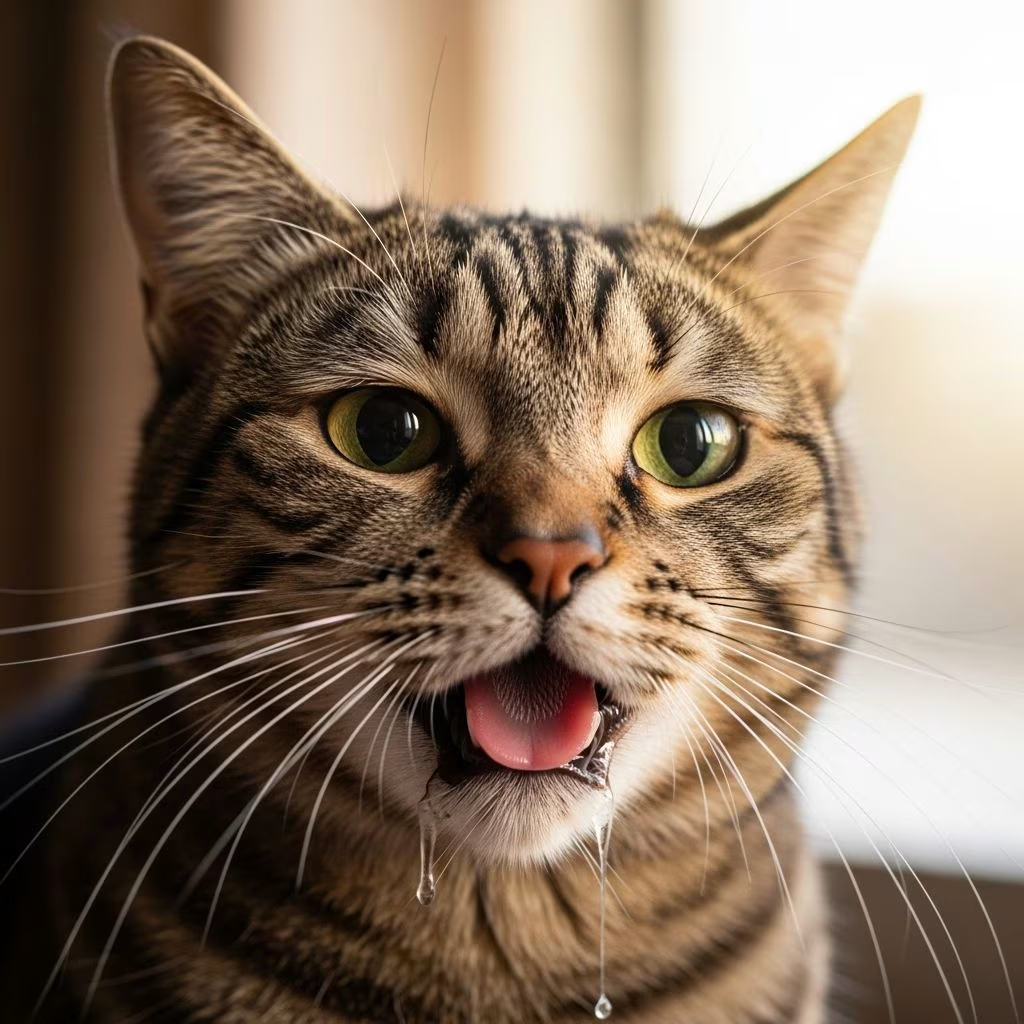
Cats occasionally pant and drool due to excitement or relaxation, but when these behaviors occur together persistently, they often signal underlying health concerns requiring prompt attention. Understanding the triggers helps cat owners respond effectively to protect their pets’ health.
Recognizing Normal vs. Abnormal Behaviors in Cats
Felines primarily breathe through their noses, reserving open-mouth breathing for specific situations like intense play or grooming sessions where slight drooling might appear from contentment. However, **panting and drooling combined** typically deviates from normal patterns and warrants observation.
- Normal panting: Brief episodes after vigorous activity, resolving within minutes.
- Normal drooling: During purring or kneading when relaxed.
- Abnormal signs: Prolonged panting, excessive saliva, accompanied by lethargy or distress.
Monitor duration and context; if symptoms linger beyond a few minutes post-exercise or in calm environments, investigate further.
Environmental Stressors Triggering Panting and Drooling
Anxiety from new surroundings, loud noises, or travel frequently induces rapid breathing and salivation as a stress response. Cats in carriers during car rides may exhibit these signs due to motion discomfort exacerbating nausea.
To alleviate:
- Introduce carriers gradually with positive associations like treats.
- Use pheromone diffusers or calming wraps during transitions.
- Provide quiet, secure spaces to reduce overall anxiety.
Persistent stress-related episodes merit behavioral consultation to prevent chronic issues.
Overheating: A Dangerous Cause of Open-Mouth Breathing
Cats lack efficient sweat glands, relying on paw pads and evaporation via tongue for thermoregulation. Excessive heat prompts panting to cool down, often with drooling as saliva aids evaporation.
| Temperature Range | Cat Comfort Level | Action Needed |
|---|---|---|
| 25–30°C (77–86°F) | Optimal | Maintain |
| Up to 38°C (100°F) | Tolerable but stressful | Cool environment |
| Above 38°C | Heatstroke risk | Emergency vet care |
Brachycephalic breeds like Persians face heightened risks. Symptoms include lethargy and bright red gums; move to shade, offer cool water, and apply damp cloths to paws if suspected.
Oral Health Problems Leading to Excessive Salivation
Dental diseases top the list for drooling causes, with periodontal issues, abscesses, and stomatitis causing pain-induced hypersalivation. Affected cats paw at mouths, show bad breath, and drop food.
- Gingivitis: Inflamed gums from plaque buildup.
- Tooth resorption: Painful erosion common in older cats.
- Stomatitis: Severe inflammation requiring potential extractions.
Regular brushing with enzymatic toothpaste, dental diets, and annual vet cleanings under anesthesia prevent progression. Early detection via home checks for red gums or tartar halts severe damage.
Cardiac Conditions Manifesting as Respiratory Effort
Heart diseases like hypertrophic cardiomyopathy, prevalent in Maine Coons, lead to fluid in lungs, prompting labored breathing and secondary drooling from stress. Coughing and weakness accompany advanced cases.
Breeds prone:
- Maine Coon
- Ragdoll
- Sphynx
Diagnostic tools include echocardiograms; treatments range from medications to dietary management. Routine screenings for at-risk breeds catch issues early.
Respiratory Challenges and Infections
Upper airway obstructions from calicivirus, herpesvirus, or asthma cause mouth breathing and drooling due to nasal congestion. Severe signs like cyanosis (blue gums) demand immediate intervention.
Critical indicators:
- Wheezing or coughing
- Extended neck posture
- Abdominal heaving
Vaccinations mitigate viral risks; nebulization or antibiotics treat bacterial components. Multi-cat homes heighten exposure, emphasizing hygiene.
Nausea and Toxin Exposure Effects
Gastrointestinal upset from hairballs, diet changes, or toxins induces drooling as a pre-vomiting sign. Plants like lilies or household chemicals provoke foaming saliva.
Response protocol:
- Remove potential toxins immediately.
- Monitor for vomiting or lethargy beyond 24 hours.
- Induce no home remedies; contact poison control or vet.
Kidney disease may underlie chronic nausea, necessitating bloodwork.
When Panting Signals an Emergency
Urgent scenarios include collapse, unconsciousness, or failure to resolve post-cooling/activity. Blue mucous membranes indicate oxygen deprivation, a veterinary crisis.
Act fast:
- Ensure airway patency.
- Transport to nearest clinic without delay.
- Avoid home treatments for severe cases.
Diagnostic Approaches by Veterinarians
Vets employ physical exams, blood panels, radiographs, and ultrasounds to pinpoint causes. Dental probing under sedation reveals oral pathologies; endoscopy checks airways.
Owner preparation:
- Note symptom onset and triggers.
- Record diet and recent changes.
- Video episodes for review.
Preventive Strategies for Feline Wellness
Proactive care minimizes risks:
- Annual wellness exams with dental checks.
- Balanced diet supporting oral health.
- Environmental enrichment to curb stress.
- Core vaccinations against respiratory pathogens.
Maintain ideal weight to ease heart strain and heat tolerance.
Home Remedies and Supportive Care
For mild cases:
- Stress: Feliway products.
- Heat: Fans and hydration boosts.
- Na nausea: Small, bland meals.
Never substitute for professional advice; these bridge to vet visits.
Frequently Asked Questions (FAQs)
Is occasional cat panting normal?
Yes, post-exercise, but prolonged or with drooling signals issues.
Why does my cat drool when purring?
Contentment relaxes jaw muscles, a benign trait.
Can dental disease cause panting?
Indirectly, via pain-induced stress or infections spreading.
What if my cat pants after eating?
Possible nausea; slow feeders help, but vet if persistent.
How to cool a panting cat safely?
Shade, water, cool packs on paws; avoid ice baths.
This comprehensive guide empowers cat owners to discern benign quirks from health red flags, promoting timely interventions for thriving pets.
References
- Why Is My Cat Panting and Drooling? Vet-Verified Causes — Catster. 2023. https://www.catster.com/cat-health-care/why-is-cat-panting-and-drooling/
- Excessive Drooling in Cats: Causes, Concerns, and Treatments — Loveland Regional Animal Hospital. 2024. https://lovelandregional.com/blog/excessive-drooling-in-cats/
- Cat Drooling: Causes, Symptoms and Treatment — Paoli Vetcare. 2023. https://www.paolivet.com/health/cat-drooling/
- Why Does My Cat Drool? — WebMD. 2024. https://www.webmd.com/pets/cats/drooling-in-cats
- Why is My Cat Drooling? — Mobile Pet Vet. 2023. https://www.mobilepetvet.com/why-is-my-cat-drooling/



