

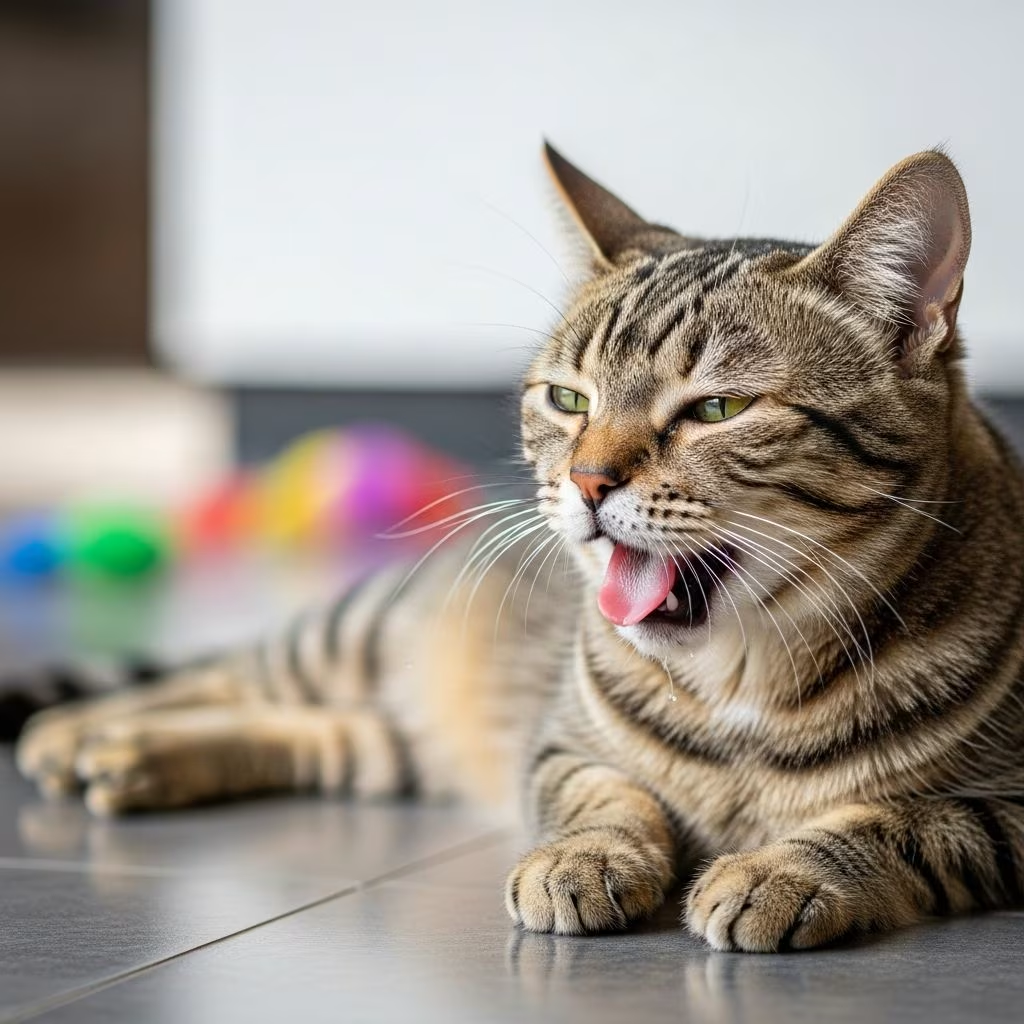
Cats occasionally pant after intense play, but unlike dogs, this isn’t their primary cooling method. While brief episodes may resolve quickly, persistent or frequent panting often signals underlying problems like overheating, respiratory issues, or cardiac concerns. Understanding these triggers helps pet owners decide when to monitor at home or seek veterinary help.
Understanding Feline Breathing Patterns
Cats regulate body temperature mainly through grooming, panting with an open mouth is rare and typically short-lived after vigorous activity. Healthy felines self-limit play to avoid exhaustion, so prolonged open-mouth breathing post-play warrants observation. Kittens or overweight cats may show this more often due to lower stamina, but it should subside within a minute in a cool environment.
Normal breathing in cats is quiet and rhythmic through the nose. Panting involves rapid, shallow breaths with the mouth agape, often accompanied by an extended tongue. If your cat exhibits this after chasing toys or zooming around, note the duration and any accompanying behaviors like lethargy or coughing.
Common Triggers for Post-Play Panting
Several benign factors can cause temporary panting, but distinguishing them from medical issues is crucial.
- Overexertion from Play: High-energy sessions with laser pointers or feather toys can lead to brief panting, especially in young or unfit cats. They usually recover fast once resting.
- Environmental Heat: Warm rooms or summer outings prompt panting as a secondary cooling mechanism since cats don’t sweat efficiently.
- Stress or Excitement: Overstimulation during play might trigger panting alongside dilated pupils or tail flicking.
These scenarios are low-risk if panting stops promptly and your cat resumes normal behavior.
Health Conditions Linked to Panting
When panting lingers or recurs, it may indicate serious conditions affecting oxygen delivery or respiratory efficiency.
Respiratory Challenges
Cats with infections, asthma, or nasal polyps struggle during exertion. Asthma affects 1-5% of cats globally, causing wheezing and heavy breathing post-play due to airway constriction. Upper respiratory infections reduce play tolerance, leading to panting even after mild activity.
Cardiac Issues
Heart diseases, congenital or acquired, impair blood circulation, resulting in poor exercise recovery. Panting compensates for oxygen shortages, often with symptoms like weakness or fainting.
Anemia and Oxygen Deficits
Low red blood cell counts from parasites, nutrition gaps, or chronic illness limit oxygen transport. Affected cats pant to meet demands during play and may seem unusually tired.
Obesity’s Role
Excess weight strains the respiratory and cardiovascular systems, making even moderate play exhausting. Obese cats pant more readily and recover slower.
| Condition | Symptoms with Panting | Risk Factors |
|---|---|---|
| Respiratory Disease | Coughing, wheezing, nasal discharge | Infections, allergies, polyps |
| Heart Problems | Lethargy, weak pulse, fluid in abdomen | Age, breed predispositions |
| Anemia | Pale gums, reduced appetite, weakness | Parasites, kidney disease |
| Obesity | Weight gain, low energy, joint issues | Indoor lifestyle, overfeeding |
When to Contact a Veterinarian
Seek professional care if panting lasts over a minute, occurs without exertion, or pairs with these red flags:
- Blue-tinted gums or tongue
- Excessive drooling or vomiting
- Collapse or disorientation
- Frequent episodes over days
- Labored breathing at rest
Immediate vet visits are essential for suspected heatstroke, trauma, or pain-related panting from urinary blockages or diabetic crises.
Home Monitoring and Prevention Strategies
Proactive steps can minimize risks and aid early detection.
- Track Patterns: Log play sessions, panting duration, and environmental factors in a journal.
- Optimize Environment: Provide shaded, ventilated spaces with fresh water during hot weather.
- Weight Management: Feed portion-controlled diets and encourage daily activity to combat obesity.
- Gradual Exercise: Start with short play bursts, increasing as fitness improves.
- Regular Check-ups: Annual exams catch issues like anemia or heart murmurs early.
Cool compresses on paws or belly can help during mild overheating, but never force water intake.
Diagnostic Approaches at the Vet
Veterinarians use tools like blood tests for anemia, chest X-rays for lung/heart evaluation, and echocardiograms for cardiac function. Oxygen levels via pulse oximetry guide urgency. Treatments vary: inhalers for asthma, fluids for dehydration, or surgery for obstructions.
FAQs on Cat Panting After Play
Is it okay for my kitten to pant during play?
Kittens pant more due to high energy but should recover quickly. Isolate if littermates don’t pant, signaling potential weakness.
Why does my indoor cat pant after short play?
Sedentary lifestyles lead to deconditioning. Indoor cats benefit from scheduled, moderate exercise to build endurance.
Can stress alone cause panting?
Yes, anxiety from new pets or moves triggers it, often with hiding or aggression. Calming pheromones help.
How does breed affect panting tendency?
Brachycephalic breeds like Persians have narrower airways, panting easier during exertion.
What’s the link between panting and pain?
Pain from injuries or blockages causes rapid breathing; cats hide discomfort, so panting is a key clue.
Long-Term Wellness for Active Cats
Maintain fitness with puzzle feeders, climbing trees, and interactive toys. Balanced nutrition supports heart and lung health—omega-3s reduce inflammation. Hydration stations encourage drinking, preventing exertion-related issues.
Monitor senior cats closely, as age heightens risks for heart and respiratory decline. Vaccinations and parasite control prevent anemia triggers.
By blending observation, lifestyle tweaks, and timely vet input, you ensure playtime remains joyful without health scares.
References
- Cat Panting? Possible Reasons and When To Call Your Vet — PetMD. 2023-05-15. https://www.petmd.com/cat/symptoms/cat-panting
- Why Is My Cat Panting & Breathing Heavily: Treatment & Prevention — Green Cross Vets. 2024-02-10. https://www.greencrossvets.com.au/pet-library/articles-of-interest/why-is-my-cat-panting/
- Cat Panting or Breathing Heavily (Dyspnea) — Small Door Veterinary. 2023-11-20. https://www.smalldoorvet.com/learning-center/medical/cat-panting
- Panting In Cats – What Is Normal & Not Normal — Preventive Vet. 2024-01-05. https://www.preventivevet.com/cats/cat-panting-may-be-a-problem
- My Cat Is Panting After Playing, Should I Worry? 4 Vet Approved… — Catster. 2023-08-12. https://www.catster.com/cat-health-care/my-cat-is-panting-after-playing/



