

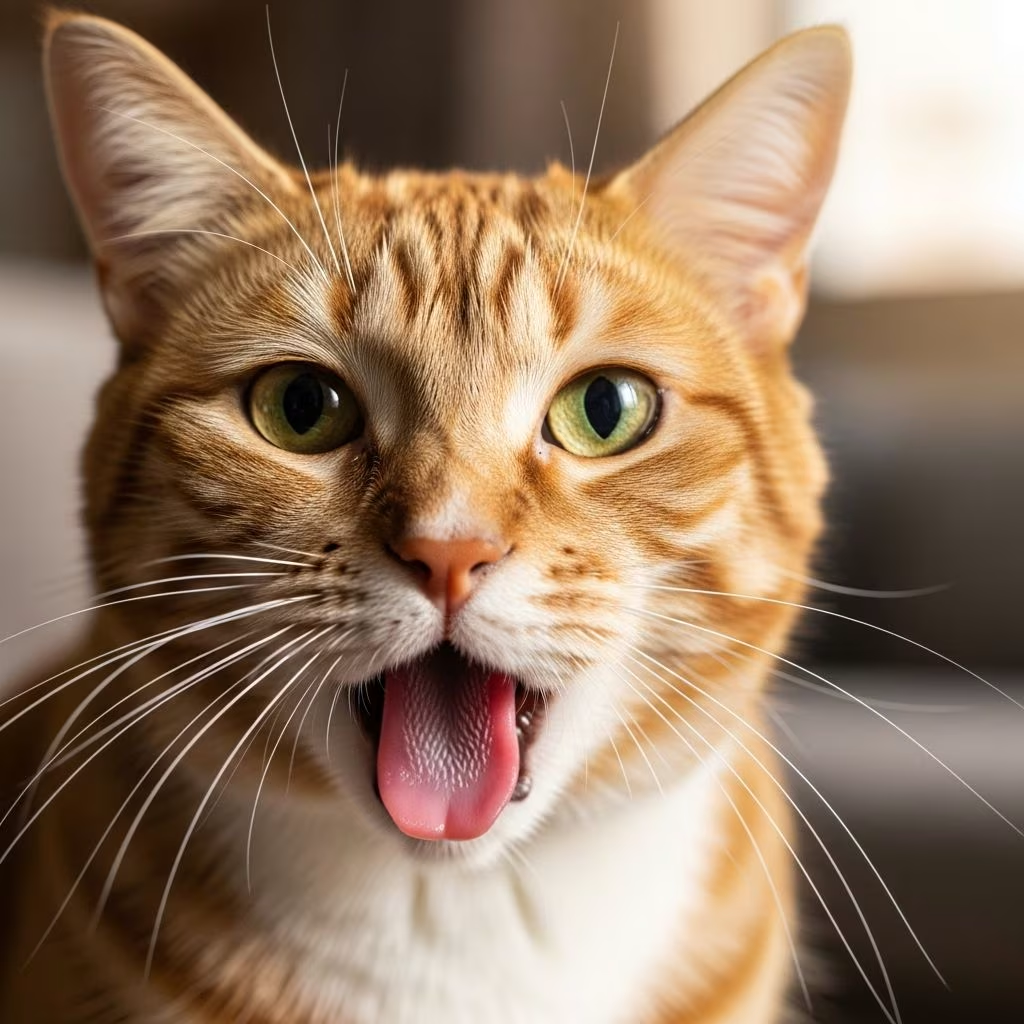
Unlike dogs, cats rarely pant as a normal cooling mechanism. While occasional panting after play or in heat is common, persistent or sudden cat panting often signals underlying issues ranging from mild stress to life-threatening conditions like heart failure or heartworm disease. Understanding the difference between benign and serious causes can save your cat’s life.
Is Panting Normal in Cats?
Cats primarily regulate body temperature through grooming, seeking shade, and panting only in extremes. Brief panting may occur after intense exercise, such as chasing a toy, or during overheating in warm environments. However, if your cat pants with mouth open for more than a few minutes, especially with other symptoms, it’s not normal.
- Normal scenarios: Post-exercise recovery (stops quickly), brief heat exposure.
- Abnormal signs: Panting at rest, rapid/shallow breathing, blue gums, lethargy.
Why Is My Cat Panting? Common Causes
Cat panting stems from respiratory distress, pain, or compensation for low oxygen. Here’s a breakdown of frequent triggers.
Overheating or Heatstroke
Cats pant to dissipate heat when body temperature rises dangerously. Move them to a cool area, offer water, and monitor. Heatstroke signs include vomiting, tremors, collapse—seek emergency care immediately.
Stress and Anxiety
Vet visits, car rides, loud noises, or new environments trigger stress panting. Cats may pant, hide, or show aggression. Remove triggers and use calming aids like Feliway.
Overexertion
Vigorous play leads to temporary panting as cats recover oxygen debt. Limit sessions for overweight or senior cats.
Pain or Injury
Cats hide pain well, but severe issues like broken bones, urinary blockages, or trauma cause open-mouth panting. Watch for limping, vocalizing, or behavior changes.
Serious Medical Causes of Cat Panting
Many panting episodes indicate urgent health problems requiring veterinary intervention.
Respiratory Infections
Viral or bacterial infections cause mucus buildup, sneezing, nasal discharge, and labored breathing. Antibiotics treat secondary infections; humidifiers aid recovery.
Asthma
Feline asthma triggers wheezing, coughing, and panting from airway inflammation. Inhalers with bronchodilators or corticosteroids manage it effectively.
Congestive Heart Failure
Fluid accumulates around lungs, causing rapid panting and coughing. Treatment involves draining fluid, diuretics, and heart medications.
Heartworm Disease
Parasites inflame lungs (HARD syndrome), leading to panting, coughing, lethargy. Prevent with monthly meds; severe cases need oxygen and steroids.
Anemia
Low red blood cells reduce oxygen delivery, prompting compensatory panting. Causes include blood loss or infections; transfusions may be needed.
Other Conditions
Neurologic disorders, abdominal bloating, cancer, or trauma also cause panting. Diagnosis via exam, X-rays, bloodwork is essential.
Symptoms That Mean Emergency Vet Care
Not all panting requires a rush to the ER, but these red flags do:
- Pale or blue gums.
- Rapid, shallow, or raspy breathing.
- Panting with lethargy, vomiting, or collapse.
- Wheezing, coughing, or hiding.
- Persistent panting (>10 minutes) at rest.
Call your vet or emergency clinic immediately. Time is critical for conditions like heartworm or heatstroke.
Diagnosis: What to Expect at the Vet
Vets start with physical exams, listening to heart/lungs, checking gums. Tests include:
| Test | Purpose |
|---|---|
| Bloodwork | Detect anemia, infections, organ function. |
| X-rays/Ultrasound | View lungs, heart, fluid buildup. |
| Heartworm Test | Confirm parasites. |
| Oxygen Levels | Assess respiratory distress. |
Treatment Options for Panting Cats
Treatment targets the cause:
- Heat/Stress: Cooling, calming environments.
- Infections: Antibiotics like pradofloxacin.
- Asthma: Inhalers via AeroKat chamber.
- Heart Failure: Diuretics, vasodilators, fluid drainage.
- Heartworm: Steroids, oxygen; prevention key.
- Anemia: Transfusions, immunosuppressants.
- Hospitalization with IV fluids/oxygen for severe cases.
Some conditions like advanced cancer may lead to humane euthanasia.
Prevention Tips to Stop Cat Panting
Proactive care reduces risks:
- Monthly heartworm preventives.
- Indoor living to avoid parasites/infections.
- Maintain ideal weight; avoid overexertion.
- Stress reduction: consistent routines, pheromone diffusers.
- Regular vet checkups for early detection.
- Cool environment: fans, AC, hydration in summer.
When to Monitor vs. Act: Quick Guide
| Monitor at Home | Call Vet/Emergency |
|---|---|
| Brief post-play panting | Any panting + lethargy |
| Mild stress (e.g., car ride) | Open-mouth >5 min at rest |
| Quick recovery from heat | Blue gums, collapse |
Frequently Asked Questions (FAQs)
Is it normal for cats to pant after playing?
Yes, briefly. They should recover in minutes. Persistent panting needs checking.
Why does my cat pant when stressed?
Stress activates fight-or-flight, increasing respiration. Calming aids help.
Can heartworm cause sudden cat panting?
Yes, dying worms trigger severe distress. Prevent with meds.
How do I know if panting is from pain?
Look for hiding, aggression, mobility issues alongside panting.
What if my cat pants at night?
Nighttime panting often signals serious issues like heart disease—vet ASAP.
This comprehensive guide equips cat owners to respond swiftly. Panting is your cat’s SOS—don’t ignore it. Regular wellness visits catch problems early.
References
- What You Should Do if Your Cat is Panting or Breathing Heavily — Friendly Animal Clinic. 2021-01-25. https://www.greensboroncvet.com/site/friendly-animal-clinic-blog/2021/01/25/what-do-cat-panting-breathing-heavily
- Why Is My Cat Panting? — Trudell Animal Health. N/A. https://trudellanimalhealth.com/blogs/blog/why-is-my-cat-panting
- Cat Panting? Possible Reasons and When To Call Your Vet — PetMD. N/A. https://www.petmd.com/cat/symptoms/cat-panting
- Why Is My Cat Panting? — Loveland Regional Animal Hospital. N/A. https://lovelandregional.com/blog/why-is-my-cat-panting/
- Why is My Cat Panting? — Zoetis Petcare. N/A. https://www.zoetispetcare.com/blog/article/why-cat-panting



