

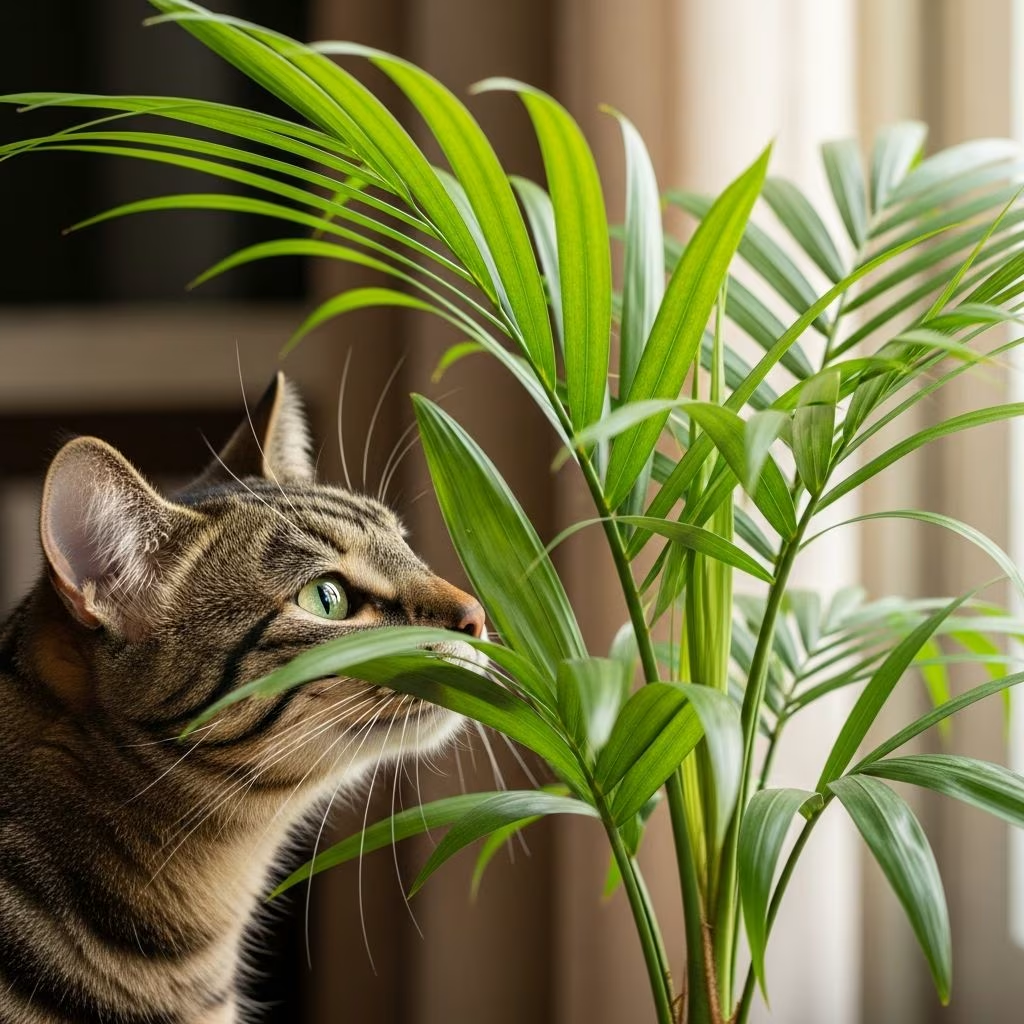
Cat palms, often cherished for their lush, tropical vibe, spark questions among pet owners about their safety around felines. While the true cat palm (Chamaedorea cataractarum) poses no threat, confusion arises with highly toxic look-alikes like the sago palm, which can trigger fatal poisoning in cats through its potent cycasin toxin targeting the liver.
Understanding Cat Palms and Their Varieties
Cat palms refer primarily to the non-toxic Chamaedorea cataractarum, a slender indoor plant native to Central America known for its feathery fronds and shade tolerance. This variety earns its pet-friendly reputation from organizations like the ASPCA, confirming zero toxicity to cats or dogs even if nibbled in moderation. Gardeners favor it for low-maintenance growth in indirect light, reaching up to 6 feet indoors.
However, the term “cat palm” sometimes mistakenly lumps in the sago palm (Cycas revoluta), a cycad mimicking true palms but packing lethal danger. Sago palms, popular in southern landscapes, contain cycasin in every part—seeds, leaves, stems—making even tiny ingestions risky for cats. This mix-up fuels most toxicity concerns, as sago exposures dominate veterinary emergency reports.
| Plant Type | Scientific Name | Toxicity to Cats | Key Features |
|---|---|---|---|
| True Cat Palm | Chamaedorea cataractarum | Non-toxic | Slender, arching fronds; indoor-friendly |
| Sago Palm | Cycas revoluta | Highly toxic | Thick trunk, stiff fronds; outdoor ornamental |
Why Sago Palms Pose a Deadly Risk to Cats
Sago palms thrive in warm climates, drawing curious cats with their novel texture and occasional fallen seeds. The cycasin toxin disrupts protein synthesis in liver cells, sparking rapid necrosis and failure. Unlike mild irritants, sago demands aggressive intervention, boasting only a 50% survival rate even with prompt care.
Cats’ small size amplifies vulnerability; a single seed or frond fragment suffices for catastrophe. Indoor cats eyeing houseplants face equal peril if sago sneaks into decor. Awareness gaps persist, as sago’s palm-like allure belies its cycad origins—ancient plants unrelated to true palms.
Early Warning Signs of Palm-Related Toxicity
Ingestion triggers symptoms swiftly, often within 15 minutes to hours. Initial gastrointestinal distress dominates: profuse vomiting, bloody diarrhea, drooling, and appetite loss signal the toxin’s gut assault.
- Vomiting: Frequent, possibly bile-tinged, persisting despite fasting.
- Diarrhea: Loose or bloody stools indicating mucosal damage.
- Lethargy: Sudden disinterest in play or food.
Progression hits the central nervous system next, yielding ataxia (wobbly gait), tremors, and seizures by 4 hours post-ingestion. Liver failure manifests 2-3 days later via jaundice (yellow gums/eyes), dark urine, abdominal bloating from fluid buildup, bruising, and tarry stools.
Advanced Symptoms Demanding Immediate Action
Severe cases escalate to life-threatening crises. Neurological fallout includes collapse, coma, and disorientation as toxins cross the blood-brain barrier. Hepatic indicators worsen: icterus spreads to skin, polydipsia (excessive thirst), and coagulopathy spur spontaneous bleeding from nose, mouth, or rectum[10].
Bloated abdomens signal ascites, while hypoglycemia from liver dysfunction causes weakness. Untreated, multi-organ shutdown ensues within days. Even mild early signs warrant vigilance, as progression accelerates unpredictably.
Swift Response: First Steps After Suspected Ingestion
Discovery demands urgency. Safely extract plant bits from the mouth using gloves, avoiding self-exposure. Skip home remedies like induced vomiting—cats risk aspiration, and cycasin binds tightly, demanding professional decontamination.
Rush to a veterinarian or emergency clinic with plant samples for identification. Note ingestion time, amount, and symptoms for tailored care. Time slashes mortality; delays doom outcomes.
Professional Treatment Protocols for Sago Poisoning
Veterinarians launch decontamination if recent: emetics like apomorphine induce vomiting in stable cats, followed by activated charcoal to adsorb residual toxin—repeat doses often needed due to recirculation. Never attempt at home.
Supportive therapy anchors recovery: IV fluids combat dehydration and flush toxins, while antiemetics curb nausea. Liver guardians like N-acetylcysteine (NAC), S-adenosylmethionine (SAMe), and Vitamin E bolster detoxification. Antibiotics prevent secondary infections, and plasma transfusions address coagulopathies.
Hospitalization spans days to weeks, monitoring liver enzymes (ALT, AST), bilirubin, and clotting times via serial bloodwork. Severe liver failure may necessitate intensive care, including oxygen and hepaticspecific feeds.
Recovery Outlook and Long-Term Management
Survivors face prolonged convalescence. Discharge hinges on normalized labs and appetite return, often after 1-2 weeks. Home care involves bland diets, hepatoprotectants, and rest. Some cats endure chronic liver issues, requiring lifelong monitoring.
Prognosis ties to intervention speed: early cases exceed 80% survival, plummeting post-jaundice. Autopsies reveal massive hepatocellular necrosis, underscoring prevention’s primacy.
Safe Plant Alternatives for Cat-Loving Homes
- Spider Plant (Chlorophytum comosum): Air-purifying, resilient to nibbling.
- Boston Fern (Nephrolepis exaltata): Lush and dangling, non-toxic.
- Parlor Palm (Chamaedorea elegans): True palm kin to cat palm, fully safe.
- Calathea Varieties: Vibrant foliage, pet-approved.
These thrive indoors sans risk, vetted by ASPCA lists. Elevate plants, use deterrents like citrus sprays, and provide cat grass for chewing urges.
Prevention Strategies to Safeguard Your Feline
Proactive measures avert tragedy. Audit gardens and homes for sago palms or cycads, opting for verified non-toxics. Secure pots beyond leap range, and supervise curious explorers.
Educate via pet poison hotlines (e.g., ASPCA: 888-426-4435; Pet Poison Helpline: 855-764-7661). Train family on risks, especially with visitors bearing gifts. Catios or screened enclosures allow safe outdoor curiosity.
Frequently Asked Questions
Is the true cat palm safe for cats to chew?
Yes, Chamaedorea cataractarum ranks non-toxic per ASPCA, though excessive intake may cause mild upset.
How fast does sago palm poisoning progress in cats?
Gut signs emerge in 15 minutes to hours; liver failure by 2-3 days.
Can cats recover fully from sago ingestion?
About 50% do with prompt care, but some suffer lasting liver damage.
What if my cat ate a sago palm seed?
Seeds pack highest toxin loads—seek emergency vet care immediately[10].
Are there home tests for palm toxicity symptoms?
No; professional diagnostics via bloodwork confirm liver involvement.
Key Takeaways for Cat Owners
Distinguish true cat palms (safe) from sago palms (deadly). Vigilance, rapid response, and vet partnership save lives. Embrace pet-safe greenery for harmonious homes.
References
- Sago Palm Poisoning in Cats — PetMD. 2023. https://www.petmd.com/cat/poisoning/sago-palm-poisoning-in-cats
- Sago Palm Toxicosis — Savannah Veterinary Internal Medicine. 2024. https://savannahveterinary.com/pet-internal-medicine/sago-palm-toxicosis/
- Sago Palm Poisoning in Cats: Urgent Signs and What to Do Now — GSVS. 2023. https://gsvs.org/blog/sago-palm-poisoning-cats-urgent-guide/
- Houseplants and Ornamentals Toxic to Animals — Merck Veterinary Manual. 2024. https://www.merckvetmanual.com/toxicology/poisonous-plants/houseplants-and-ornamentals-toxic-to-animals
- Sago Palm Poisoning — VCA Animal Hospitals. 2023. https://vcahospitals.com/know-your-pet/sago-palm-poisoning
- Pet Safety: Is Cat Palm Safe for Cats and Dogs? — Lively Root. 2024. https://www.livelyroot.com/blogs/plant-care/is-cat-palm-safe-for-cats-and-dogs



