

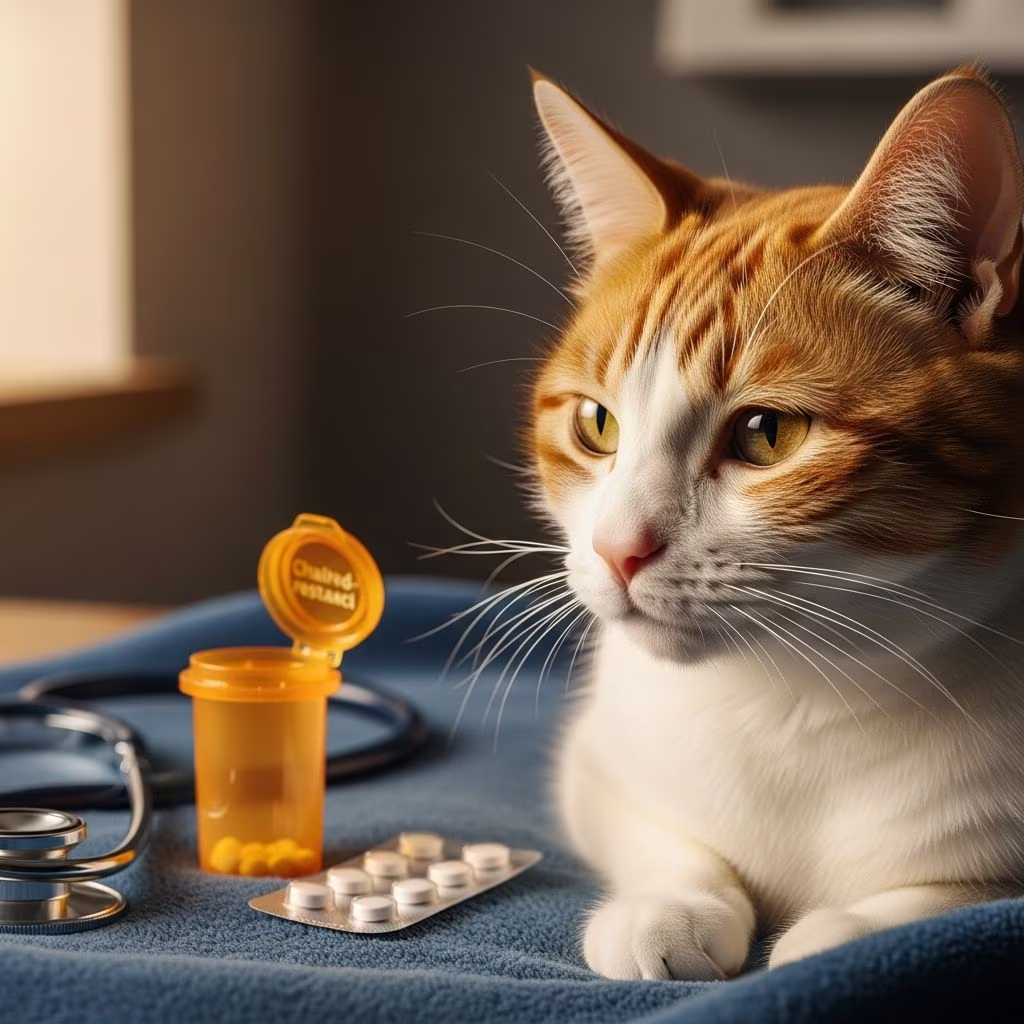
Recognizing and treating pain in cats is one of the most important aspects of responsible pet ownership. Unlike dogs or humans, cats often hide discomfort, making it challenging for owners to identify when their feline companions need intervention. Modern veterinary medicine offers numerous evidence-based approaches to address pain in cats, ranging from traditional anti-inflammatory medications to cutting-edge biological therapies. Understanding these options empowers pet owners to work collaboratively with their veterinarians to ensure their cats receive appropriate and compassionate care.
Why Pain Management Matters for Cats
Cats experience pain from various sources, including post-surgical recovery, injuries, degenerative joint disease, cancer, and chronic conditions like arthritis. Untreated pain compromises their quality of life, reduces appetite, decreases mobility, and can lead to behavioral changes such as increased aggression or withdrawal. Effective pain management not only alleviates suffering but also promotes faster healing, improves overall health outcomes, and strengthens the bond between cats and their owners.
The challenge in feline pain management lies in the unique way cats metabolize medications compared to other species. This difference necessitates carefully selected drugs and precise dosing to avoid adverse reactions. Therefore, all pain management decisions should be made in consultation with a qualified veterinarian who can assess the individual cat’s condition and prescribe appropriate treatments.
Anti-Inflammatory Medications: The Foundation of Feline Pain Relief
Nonsteroidal anti-inflammatory drugs (NSAIDs) represent the most frequently prescribed and effective class of pain medications for cats.[10] These medications work by reducing inflammation and blocking pain signals, making them particularly useful for conditions involving inflammatory processes. The FDA-approved options for feline use are limited but well-established.
FDA-Approved NSAID Options
Only two NSAIDs have received FDA approval specifically for use in cats: meloxicam and robenacoxib. Meloxicam is available as a one-time injectable formulation approved for controlling pain and inflammation following surgical procedures such as spaying, neutering, and orthopedic surgery. The injection is administered before surgery to provide immediate pain relief during the immediate postoperative period.
Robenacoxib, marketed under the brand name Onsior, is approved for short-term use—up to three consecutive days—following surgical procedures in cats. This medication is available in both injectable and oral tablet formulations, with oral tablets being the more commonly prescribed option for home use. While FDA approval limits its use to three days post-surgery, veterinarians sometimes prescribe it off-label for conditions such as arthritis or cancer-related pain when they determine the benefits outweigh potential risks.
NSAIDs like meloxicam and robenacoxib work through their anti-inflammatory properties, addressing not only pain but also the underlying inflammation causing discomfort. However, long-term NSAID use in cats requires careful monitoring, as these medications can potentially affect kidney function, particularly in older cats or those with pre-existing kidney disease. Bloodwork is typically recommended before initiating NSAID therapy and periodically during treatment to ensure the cat’s liver and kidney function remain normal.
Potential Side Effects and Monitoring
Common side effects associated with NSAIDs in cats include vomiting, reduced appetite, and gastrointestinal upset. More serious adverse effects, though less common with appropriate dosing, can include kidney damage. NSAIDs should never be combined with other NSAIDs or corticosteroids, as this combination significantly increases the risk of serious complications. Pet owners should watch for signs of adverse reactions and contact their veterinarian immediately if they observe unusual symptoms.
Opioid Medications for Moderate to Severe Pain
When NSAIDs alone are insufficient to manage pain—particularly in cases of severe acute pain or advanced chronic conditions—opioid medications provide powerful analgesia. Opioids work by binding to pain receptors in the brain and spinal cord, effectively blocking the perception of pain. Several opioid options are available for feline use, each with distinct characteristics regarding onset, duration, and administration method.
Buprenorphine: A Versatile Opioid Option
Buprenorphine is a partial opioid agonist frequently prescribed for both acute and chronic pain conditions in cats. Its safety profile is considered excellent, making it a reliable choice for pain management. Two FDA-approved formulations exist: Simbadol, a high-dose injection providing 24 hours of pain relief, and Zorbium, a topical solution applied directly to the cat’s skin that delivers four days of continuous analgesia.
The flexibility in administration methods is particularly valuable for cats that resist traditional oral medication. Buprenorphine can also be administered as an injection or carefully placed in the cat’s cheek pouch for absorption through the oral mucosa. While generally well-tolerated, some cats may experience mild drowsiness or changes in pupil size during treatment. These effects are typically minimal and subside as the cat adjusts to the medication.
Tramadol and Extended-Release Formulations
Tramadol is another opioid option sometimes employed for longer-term pain management, particularly in cats with arthritis or cancer-related pain. This medication offers flexibility in dosing and can be combined with other pain-relief strategies as part of a comprehensive pain management plan. Tramadol works through multiple mechanisms, making it effective for various pain types.
Fentanyl Patches for Sustained Relief
The Duragesic fentanyl patch represents a specialized opioid delivery system designed for cats requiring several days of relief from moderate to severe pain, such as following surgery or significant injury. The patch is applied to shaved skin and typically remains in place for approximately five days before being removed. This delivery method ensures consistent medication levels, eliminating the variability associated with oral administration.
While fentanyl patches are considered very safe when used appropriately, certain side effects warrant monitoring. These include dilated or constricted pupils, euphoria or lethargy, elevated body temperature, vomiting, and slow breathing. Pet owners should observe their cats closely during patch therapy and report any concerning changes to their veterinarian immediately.
Adjunctive Medications Enhancing Pain Control
Beyond primary pain medications, several adjunctive therapies complement core pain management strategies, particularly for chronic conditions.
Gabapentin for Neuropathic Pain
Gabapentin, originally developed as a seizure medication, has proven remarkably effective for managing nerve pain and reducing anxiety in cats. This medication is most useful when combined with other pain-relieving medications, as monotherapy with gabapentin rarely provides sufficient pain control on its own. Gabapentin is particularly valuable for cats experiencing neuropathic pain—pain arising from nerve dysfunction—and those with anxiety related to pain or medical procedures.
Frunevetmab: A Revolutionary Monoclonal Antibody
Frunevetmab (marketed as Solensia) represents a significant advancement in feline pain management, earning FDA approval in 2022. This monoclonal antibody functions through a unique mechanism: it targets nerve growth factor (NGF), a protein integral to pain sensation in cats with arthritis. Rather than daily oral administration, Solensia requires only a monthly subcutaneous injection, making it ideal for cats that resist oral medication or whose owners struggle with daily dosing.
While formally licensed for arthritis-related pain, anecdotal evidence from veterinary practitioners suggests effectiveness for other pain conditions as well. Solensia is frequently positioned as a first-choice treatment option for feline arthritis, particularly when combined with other therapeutic approaches.
Corticosteroids and Anti-Nausea Medications
Corticosteroids such as dexamethasone and prednisolone relieve pain from allergies or arthritis primarily through their anti-inflammatory action. However, these medications carry specific risks and considerations that necessitate careful veterinary oversight. Cerenia (maropitant), while developed primarily to control vomiting, also provides pain relief and is often used in combination with anesthetics or other pain relievers. Potential side effects include fever, dehydration, lethargy, poor appetite, blood in urine, and drooling.
Supplemental Joint Support
Glucosamine and chondroitin are over-the-counter supplements that support joint fluid and reduce inflammation, working best when used early and consistently. For cats where these supplements prove insufficient, Adequan (polysulfated glycosaminoglycans) is a prescription injectable alternative offering stronger joint protection. Omega-3 fatty acids, commonly found in fish oil, provide natural anti-inflammatory benefits that may ease joint pain and protect cartilage.
Multimodal Pain Management Approach
Modern veterinary practice increasingly embraces multimodal pain management, combining several strategies and medications to achieve optimal pain control. This approach recognizes that different pain conditions respond to different medications and that combining complementary agents often produces better outcomes than any single medication alone. For cats with chronic pain such as arthritis or cancer-related discomfort, veterinarians may recommend combinations of NSAIDs, opioids, gabapentin, and Solensia, along with supplements such as glucosamine and omega-3s.
Comprehensive pain management extends beyond medication to include environmental modifications and therapeutic interventions. Acupuncture and laser therapy are emerging complementary treatments that some cats respond to positively, particularly when integrated into a broader pain management strategy.
Critical Safety Considerations
Pet owners must understand that human pain medications are potentially dangerous or toxic to cats. Over-the-counter NSAIDs intended for human use—including ibuprofen (Advil), naproxen (Aleve), and aspirin—can cause life-threatening reactions in cats and should never be administered without explicit veterinary approval and monitoring. Acetaminophen, found in numerous pain relief products, is particularly toxic to cats and can cause severe liver damage.
Any pain medication administration should begin only after consultation with a qualified veterinarian who can assess the individual cat’s health status, prescribe appropriate medications, and establish a monitoring schedule. Pre-treatment bloodwork establishes baseline organ function, allowing the veterinarian to make informed decisions about medication selection and dosing.
Frequently Asked Questions About Cat Pain Management
Can I give my cat over-the-counter pain medication?
No. Human pain medications, including ibuprofen, naproxen, and acetaminophen, are toxic to cats and can cause serious harm or death. Always consult your veterinarian before administering any medication to your cat.
What should I do if I suspect my cat is in pain?
Contact your veterinarian promptly. Your veterinarian can examine your cat, identify the pain source, and determine which pain-relieving medications will help. Signs of pain in cats include reduced mobility, behavioral changes, decreased appetite, and vocalization.
Are there medications available for chronic pain in cats?
Yes. For chronic conditions such as arthritis, your veterinarian may recommend combinations of medications including NSAIDs, gabapentin, Solensia, and joint supplements, along with environmental modifications and complementary therapies.
How long can my cat safely take NSAIDs?
This depends on the specific medication and your cat’s health status. Some NSAIDs like Onsior are approved only for short-term use (three days), while meloxicam is approved as a single pre-surgical injection. Long-term NSAID use requires regular bloodwork monitoring and veterinary oversight to protect kidney function.
What is Solensia, and how is it different from other pain medications?
Solensia (frunevetmab) is a monoclonal antibody approved for feline arthritis pain that requires only monthly injections rather than daily oral medication. It works by blocking nerve growth factor, a key pain mediator in the body.
Conclusion: Supporting Your Cat’s Comfort and Quality of Life
Modern veterinary medicine provides numerous evidence-based options for managing pain in cats, from traditional NSAIDs to innovative monoclonal antibodies. The most effective approach typically involves working closely with a veterinarian to develop an individualized pain management plan tailored to your cat’s specific condition, age, and overall health status. By staying informed about available treatments, maintaining regular veterinary contact, and remaining alert to signs of discomfort, cat owners can ensure their feline companions receive compassionate, effective pain management that enhances quality of life and promotes optimal wellbeing.
References
- Pain Meds for Cats: Medications and How to Use Them — GoodRx. 2025. https://www.goodrx.com/pet-health/cat/pain-meds-for-cats
- What Can You Give a Cat for Pain? | UrgentVet — UrgentVet. 2025. https://urgentvet.com/what-can-you-give-cat-pain-meds/
- Safe Pain Medications for Cats — WebMD. 2025. https://www.webmd.com/pets/cats/safe-cat-pain-medications
- Get the Facts about Pain Relievers for Pets — U.S. Food and Drug Administration. 2024. https://www.fda.gov/animal-veterinary/animal-health-literacy/get-facts-about-pain-relievers-pets
- Pain management in cats—past, present and future. Part 2 — PubMed Central / NIH. 2024. https://pmc.ncbi.nlm.nih.gov/articles/PMC10822209/
- What Can You Give a Cat for Pain? — PetMD. 2025. https://www.petmd.com/cat/general-health/what-can-you-give-cat-pain
- Pain Treatment — The Cat Doctor. 2025. https://thecatdoctor.co.uk/cat-health/pain-treatment/



