

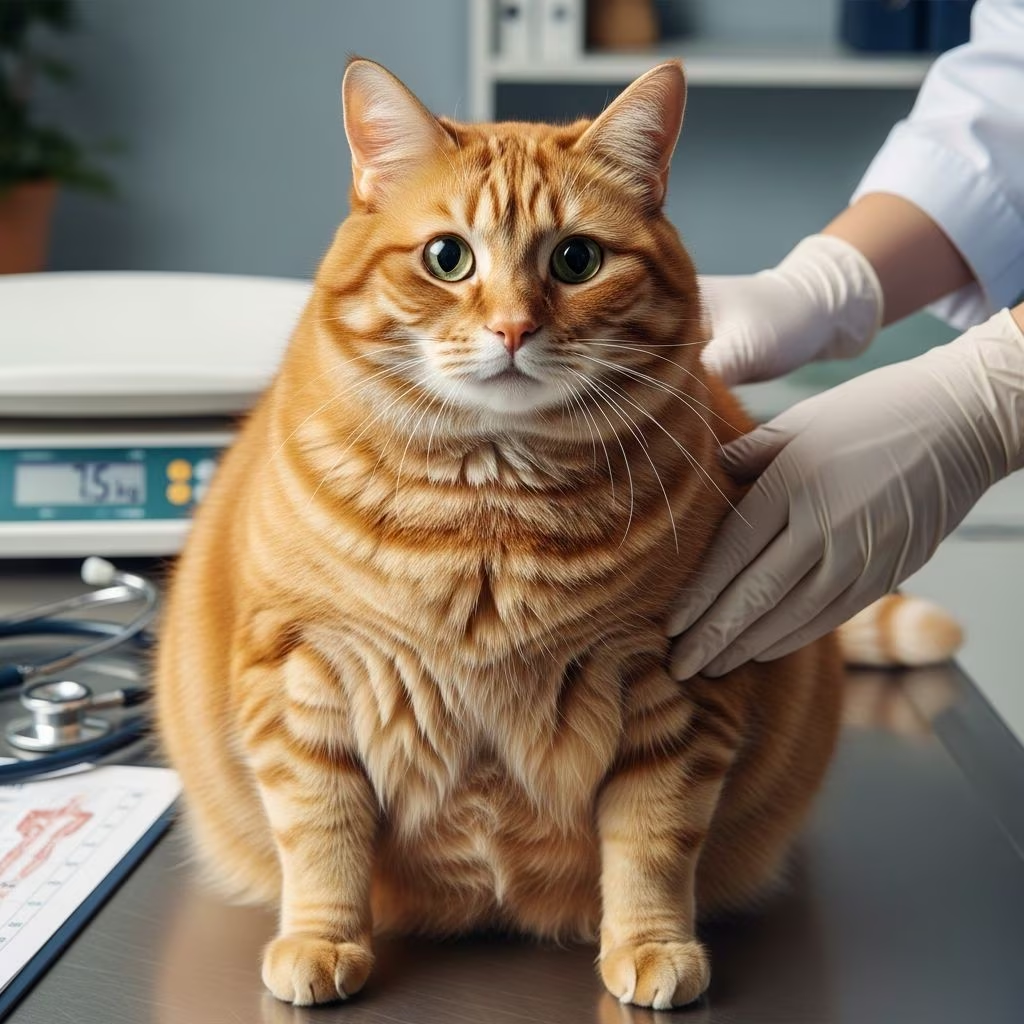
Many cats struggle with excess weight, which can shorten their lifespan and lead to various health complications. Identifying if your cat is overweight involves simple assessments and leads to actionable steps for improvement.
Understanding Feline Body Weight Basics
Cats maintain ideal weights based on breed, age, and lifestyle, typically ranging from 8 to 12 pounds for average adults. Indoor cats often gain weight due to reduced activity and constant food access. Factors like neutering reduce metabolism by up to 30%, increasing obesity risk. Regular monitoring prevents gradual gains that become problematic.
Signs Your Cat May Be Packing on Pounds
Observe physical changes to gauge weight status. A round face, fat deposits under the chin, or a sagging belly indicate excess fat. Cats with overweight issues pant after minimal activity or avoid jumping to high spots. Feel the ribs; they should be palpable with slight fat cover, not buried or protruding sharply.
- Visible waistline absence when viewed from above.
- No abdominal tuck from the side profile.
- Lethargy or reluctance in play and grooming.
- Footpad impressions in fur from heavy belly dragging.
These cues signal the need for intervention before conditions worsen.
Health Dangers of Extra Weight in Cats
Obesity contributes to diabetes, arthritis, heart disease, and hepatic lipidosis—a life-threatening liver condition from rapid fat mobilization. Overweight cats face higher surgical risks and reduced lifespan by up to two years. Joint strain accelerates osteoarthritis, limiting mobility and quality of life.
| Condition | Risk Increase | Symptoms |
|---|---|---|
| Diabetes | 4x higher | Increased thirst, urination |
| Hepatic Lipidosis | Common in rapid loss | Vomiting, jaundice, weakness |
| Arthritis | Joint wear | Limping, stiffness |
| Heart Disease | Cardiac strain | Coughing, fatigue |
Addressing weight early mitigates these threats effectively.
Assessing Your Cat’s Body Condition Score
Use the Body Condition Score (BCS) system, a 9-point scale common in veterinary practice. Score 1-3 indicates underweight, 4-5 ideal, and 7-9 overweight to obese. Run hands along the sides; ideal cats have ribs easily felt without excess padding. View from above for an hourglass shape and from side for belly tuck.
- Examine outline: Visible waist?
- Palpate ribs, spine, hips.
- Check abdominal fat.
- Assign score and consult vet for confirmation.
This tool provides objective insight beyond scale weight.
Consulting a Veterinarian for Weight Concerns
Schedule a check-up to rule out thyroid issues, diabetes, or arthritis mimicking obesity. Vets calculate target weight, resting energy needs, and recommend diets. Baseline bloodwork ensures safe loss plans. Professional guidance prevents hepatic lipidosis from overly aggressive cuts.
Designing a Safe Weight Reduction Strategy
Aim for 1-2% body weight loss monthly, or 0.5-1 pound for a 10-pound cat, to avoid complications. Combine diet, exercise, and monitoring for success rates over 90%.
Selecting Optimal Nutrition for Slimming
Switch to prescription weight management formulas like those clinically tested for efficacy. These feature high protein (40%+), moderate fiber, and low fat/carbs to preserve muscle and promote satiety. Avoid generic reductions; use vet-formulated foods meeting AAFCO standards.
- High protein maintains lean mass.
- Fiber blends enhance fullness.
- Low calorie density allows larger volumes.
Gradual transition over 7-10 days: 25% new/75% old, then 50/50, etc..
Mastering Portion Control and Feeding Routines
Weigh food precisely with a gram scale; scoops lead to 20-50% overfeeding. Calculate daily energy requirements (DER) as 70-80% of resting needs for loss. Divide into 2-4 meals, eliminating free-feeding.
In multi-cat homes, feed separately or use microchip feeders. Log intake to track calories accurately.
Incorporating Exercise and Activity Boosters
Daily play sessions of 10-15 minutes twice mimic hunting, burning 10-20 calories each. Toys like lasers, feather wands, or puzzle feeders engage instincts.
- Short, frequent bursts prevent boredom.
- Food puzzles extend meals, adding mental work.
- Vertical spaces encourage climbing.
Consistency from all household members ensures adherence.
Practical Daily Habits for Lasting Results
Replace begging with affection or play; many cats accept pets over treats. Low-cal treats like veggie bits or fish limit to 10% daily calories. Monthly weigh-ins adjust plans; plateau after 90 days warrants diet tweaks.
Common Challenges and Solutions
| Challenge | Solution |
|---|---|
| Multi-cat stealing food | Separate feeding rooms, timed access |
| Weight loss stall | Recalculate DER, switch food format |
| Begging/pickiness | |
| Lack of interest in play | Interactive toys, vet check for pain |
Patience yields sustainable changes.
Frequently Asked Questions
How do I know my cat’s ideal weight?
Use BCS and breed averages; vet confirmation is best.
Can treats be part of a weight loss diet?
Yes, limited to 10% calories, opt for low-cal options.
How fast should my cat lose weight?
1-2% monthly max to prevent liver issues.
What if my cat refuses new food?
Gradual mix-in, add toppers, or puzzle feeders.
Is exercise essential for indoor cats?
Absolutely; it boosts metabolism and muscle.
Long-Term Maintenance for a Healthy Cat
Once at goal, transition to maintenance calories, continue monitoring quarterly. Annual exams catch issues early. Lifelong habits ensure vitality into senior years.
References
- Cat Weight Loss Information | Start Healthy Weight Loss Today — Pet Obesity Prevention. 2023. https://www.petobesityprevention.org/weight-loss-cats
- Helping Your Cat Slim Down: Weight Management Through Proper Feline Nutrition — Yankee Hill Vet. 2024. https://yankeehillvet.com/feline-nutrition-and-exercise/helping-your-cat-slim-down-weight-management-through-proper-feline-nutrition/
- A Cat’s Guide to Weight Loss — Crossroads Animal Hospital. 2023. https://crossroadsanimalhospital.net/a-cats-guide-to-weight-loss/
- Creating a Weight Reduction Plan for Cats — VCA Animal Hospitals. 2024. https://vcahospitals.com/know-your-pet/creating-a-weight-reduction-plan-for-cats
- Maintaining a healthy weight for your cat — FEDIAF European Pet Food. 2025. https://europeanpetfood.org/pet-food-facts/fact-sheets/nutrition/healthy-weight-for-cats/
- Weight Control Food for Cats: Key Features and Feeding Tips — Hill’s Pet. 2024. https://www.hillspet.com/cat-care/healthcare/cat-weight-management



