

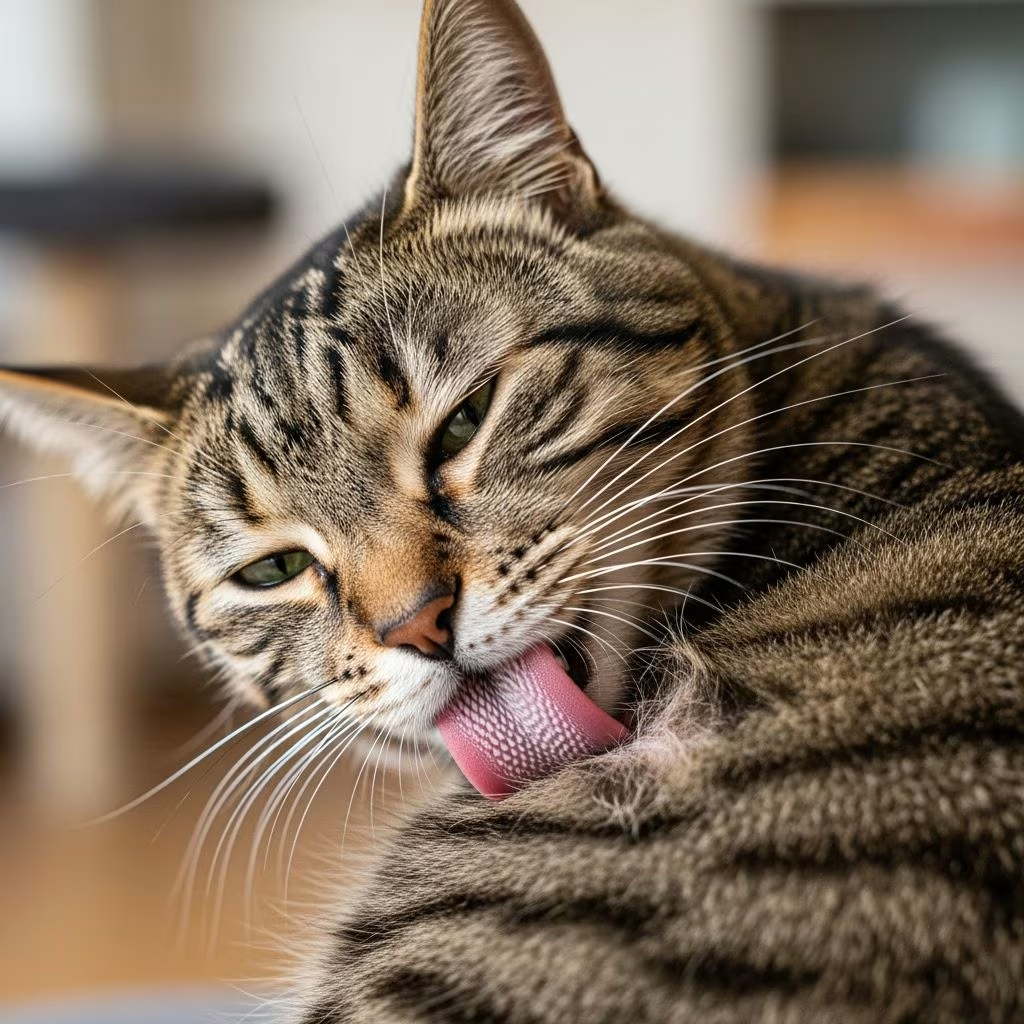
Excessive grooming in cats, often leading to noticeable hair loss and skin problems, signals an underlying issue that requires prompt attention. This behavior disrupts normal feline hygiene routines and can escalate into serious health concerns if ignored.
Recognizing Excessive Grooming in Your Cat
Normal grooming keeps a cat’s coat clean and distributes natural oils, but overgrooming crosses into problematic territory when it causes physical damage. Owners often first notice patchy bald spots or thinned fur in accessible areas like the belly, inner thighs, flanks, and base of the tail.
- Bald patches or thinning hair: Commonly on the abdomen, legs, chest, or sides, creating a ‘buzzcut’ appearance.
- Skin changes: Redness, rashes, scabs, sores, or pus indicating irritation or infection.
- Behavioral shifts: Grooming that interrupts eating, playing, or sleeping; excessive scratching; or signs of discomfort like irritability.
- Increased hairballs: More frequent vomiting of fur balls or risks of constipation from ingested hair.
These signs distinguish overgrooming from routine maintenance, as cats typically spend 30-50% of their day grooming without harm.
Primary Medical Triggers for Overgrooming
Many cases stem from physical discomfort prompting cats to lick or chew persistently for relief. Identifying the trigger through veterinary evaluation is crucial.
Parasites and Allergies
Fleas top the list, with even a single bite triggering flea allergy dermatitis, causing intense itching at the tail base. Other parasites like mites lead to scabbing around ears and neck. Food or environmental allergies manifest as paw chewing or widespread irritation.
| Condition | Common Sites | Key Symptoms |
|---|---|---|
| Flea Allergy | Base of tail | Itching, redness, hair loss |
| Ear Mites | Neck, ears | Scabs, head shaking |
| Food/Environmental Allergy | Paws, belly | Chewing, inflamed skin |
Pain and Infections
Localized pain from injuries, urinary issues, or anal gland problems drives focused grooming on affected areas like the lower belly or back. Bacterial, fungal infections (e.g., ringworm), or conditions like hyperthyroidism exacerbate itching.
Vets use blood tests, skin scrapings, cytology, and cultures to diagnose these, often trialing hypoallergenic diets or medications.
Psychological and Environmental Factors
When medical tests rule out physical causes, behavioral issues like psychogenic alopecia emerge, where stress turns grooming into a compulsive, self-soothing habit releasing endorphins.
- Chronic stress: New pets, household moves, routine changes, or conflicts with other animals.
- Boredom: Insufficient play or stimulation in indoor cats.
- Anxiety disorders: Obsessive-compulsive tendencies mimicking human habits.
Overgrooming sites mirror stress patterns, often symmetrical on flanks or abdomen, progressing to wounds or infections if unchecked.
Health Risks of Untreated Overgrooming
Beyond aesthetics, persistent licking opens skin to sunburn, frostbite, or secondary infections like bacterial or yeast overgrowth. Swallowed fur risks intestinal blockages or severe constipation, especially in long-haired breeds.
In severe cases, cats develop painful sores, reduced mobility from discomfort, and chronic cycles where initial irritation becomes habitual grooming.
Step-by-Step Diagnosis Process
Start with a vet visit for comprehensive assessment:
- Physical exam: Check for fleas, wounds, swelling, or pain responses.
- Diagnostic tests: Skin scrapes, fungal cultures, bloodwork, allergy trials.
- History review: Recent changes in diet, environment, or behavior.
- Elimination trials: Flea treatments, novel protein diets, or parasite preventives.
If medical issues are cleared, behavioral evaluation follows, potentially involving pheromone therapy or anti-anxiety meds.
Effective Treatment Strategies
Tailor treatments to the root cause for best results.
Addressing Medical Causes
- Parasite control: Monthly preventives resolve most flea-related cases in weeks.
- Allergy management: Hypoallergenic foods, antihistamines, or immunotherapy.
- Infection treatment: Topical/oral antibiotics, antifungals as needed.
- Pain relief: Address underlying issues like UTIs or injuries.
Behavioral Interventions
Reduce stress through environmental enrichment:
- Interactive toys, scratching posts, and daily play sessions (15-30 minutes).
- Safe spaces like high perches or covered beds.
- Feliway diffusers to mimic calming pheromones.
- Professional behaviorists for severe cases.
Owner-assisted grooming with gentle brushing distributes oils and monitors progress, preventing hairball buildup.
Preventive Measures for Long-Term Fur Health
Proactive steps minimize risks:
- Regular vet checkups: Early detection via annual exams.
- Flea prevention: Year-round topicals for all pets.
- Balanced diet: High-quality, grain-free foods to avoid allergies.
- Enriched environment: Puzzle feeders, window perches for stimulation.
- Monitor changes: Track grooming time and coat condition weekly.
Frequently Asked Questions (FAQs)
What does it mean if my cat has bald spots on its belly?
Belly baldness often indicates overgrooming from fleas, allergies, or stress; consult a vet for targeted testing.
Can overgrooming lead to hairballs or blockages?
Yes, excessive fur ingestion increases hairball frequency and blockage risks, necessitating more brushing and hairball remedies.
Is overgrooming more common in certain cats?
Indoor, long-haired, or young/stressed cats are prone, especially with environmental changes.
How long does it take to stop overgrooming after treatment?
Flea treatments show improvement in weeks; stress-related cases may take months with behavioral changes.
Should I stop my cat from grooming altogether?
No, discourage only excessive sessions; redirect with toys and enrich their space instead.
Conclusion: Act Early for Your Cat’s Well-Being
Overgrooming is a feline distress signal treatable with vigilance and professional guidance. By pinpointing causes—be they parasites, pain, or anxiety—and implementing tailored solutions, you can restore your cat’s luxurious coat and comfort.
References
- How to know when your cat is overgrooming — Vetwest. 2023. https://www.vetwest.com.au/pet-library/overgrooming-how-to-know-when-your-cat-is-overgrooming/
- Stress-Related Overgrooming in Cats — AKC Pet Insurance. 2023. https://www.akcpetinsurance.com/blog/stress-related-overgrooming-in-cats
- When Cats Can’t Stop Grooming: Understanding and Addressing — Chimacum Veterinary Clinic. 2024. https://chimacumvet.com/blog/cat-overgrooming/
- Why Cats Overgroom and How You Can Stop It — PetMD. 2024-01-15. https://www.petmd.com/cat/general-health/how-tell-if-your-cat-over-grooming
- Overgrooming in Cats: Why Cats Excessively Groom — Wolfe Animal Clinic. 2022-05-15. https://www.wolfeanimal.com/site/blog/2022/05/15/overgrooming-cats
- Why is My Cat Overgrooming Itself? — Evergreen Veterinary Clinic. 2023. https://www.evergreenvetclinic.com/blog/why-is-my-cat-overgrooming-itself
- Overgrooming In Cats — Central Providence Veterinary Hospital. 2023. https://www.centralprovidence.com/services/cats/blog/overgrooming-cats
- Cats that Lick Too Much — Cornell University College of Veterinary Medicine. 2023. https://www.vet.cornell.edu/departments-centers-and-institutes/cornell-feline-health-center/health-information/feline-health-topics/cats-lick-too-much



