

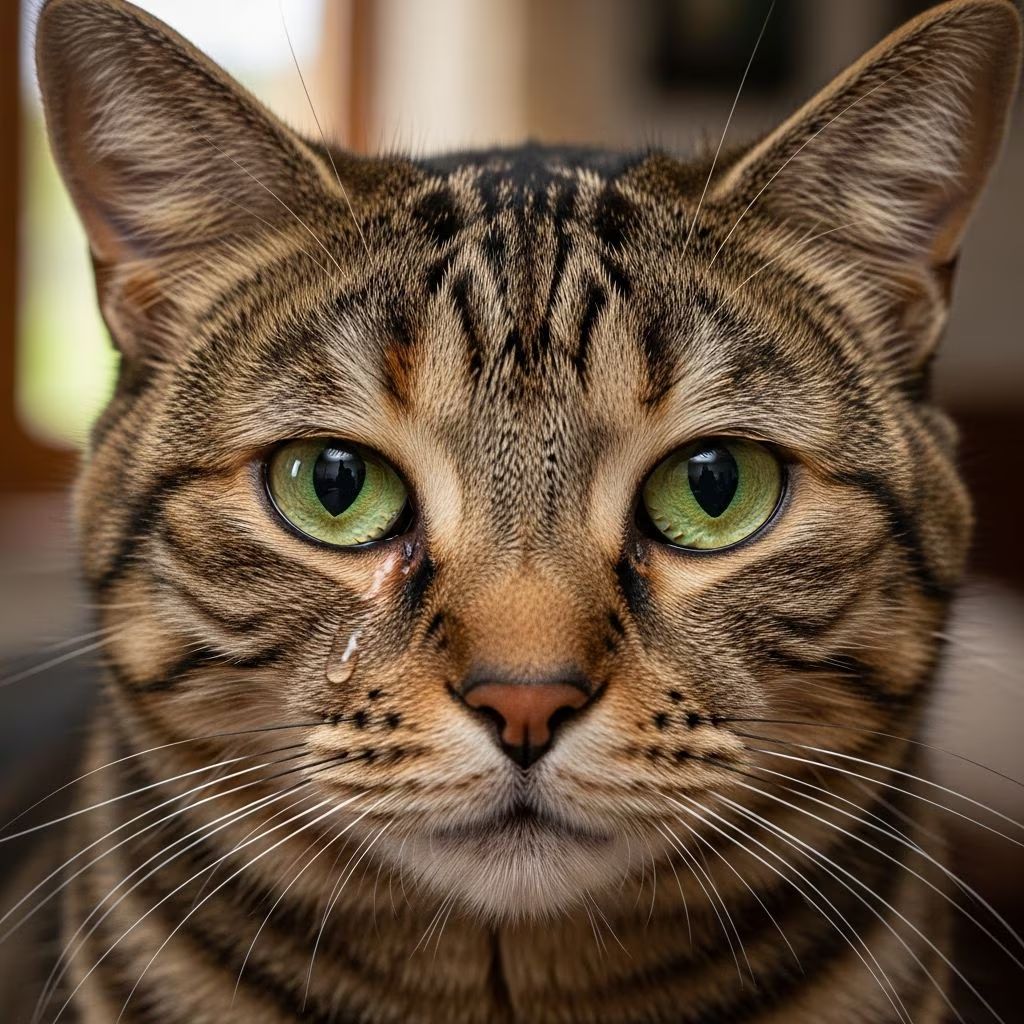
Seeing your cat with one watery eye can be concerning, as it often points to an underlying issue rather than a normal occurrence. While cats naturally produce tears to lubricate and protect their eyes, excessive tearing—known as epiphora—in just one eye typically indicates irritation, infection, blockage, or injury on that side. Prompt attention prevents complications like chronic infections or vision loss. This guide covers causes, symptoms, diagnosis, treatments, home care, prevention, and FAQs based on veterinary insights.
What Does It Mean If My Cat Has One Watery Eye?
A single watery eye in cats differs from bilateral tearing, which might stem from systemic issues like allergies. Unilateral epiphora suggests localized problems such as a foreign object, injury, or blocked tear duct affecting only one side. Tears overflow because the nasolacrimal duct, which drains tears from the eye to the nose, fails to function properly. This can lead to staining under the eye, redness, and discomfort. Breeds with flat faces like Persians are prone due to anatomy, but any cat can be affected.
Observe if the discharge is clear (suggesting irritation) or colored/thick (indicating infection). Accompanying signs like squinting, pawing at the eye, or behavioral changes warrant immediate vet care to rule out ulcers or deeper issues.
Common Causes of One Watery Eye in Cats
Several factors can trigger unilateral watery eyes. Identifying the root cause is key to effective treatment.
1. Blocked Tear Ducts (Nasolacrimal Duct Obstruction)
The most frequent cause of one watery eye is a blocked tear duct, where inflammation, debris, congenital narrowing, or tumors obstruct drainage. Tears spill over, causing wet fur and brown stains (epiphora stains). This is common in brachycephalic breeds like Persians and Himalayans due to shallow eye sockets and distorted ducts.
2. Eye Infections (Conjunctivitis or “Pink Eye”)
Bacterial or viral infections inflame the conjunctiva, prompting excess tears to flush irritants. Feline herpesvirus or calicivirus often causes this, especially in kittens or stressed cats. One eye may be affected first if exposure is localized. Symptoms include redness, sticky discharge, and swelling.
3. Foreign Objects or Irritants
Dust, grass seeds, litter, or toys can lodge in one eye, irritating the cornea and triggering tears. Curious outdoor cats are at higher risk. If not removed, this leads to scratches or ulcers.
4. Corneal Ulcers or Eye Injuries
Scratches from claws, fights, or rough play damage the cornea, causing intense watering, squinting, and pain. Ulcers appear red, cloudy, and may deepen if untreated, risking rupture.
5. Upper Respiratory Infections (URIs)
Viral URIs like feline herpes often start in one eye before spreading. Secondary bacterial infections produce yellow/green discharge alongside sneezing and nasal issues.
6. Dry Eye (Keratoconjunctivitis Sicca)
Paradoxically, low tear production irritates the eye, leading to reflex tearing that’s often thick and yellow. Causes include immune issues or nerve damage, more common unilaterally.
7. Eyelid Abnormalities or Genetics
Conditions like entropion (inward-rolling lids), distichiasis (misplaced lashes), or brachycephalic structure rub the cornea, causing chronic tearing in one or both eyes.
8. Other Causes: Allergies, Tumors, or Sinus Issues
Allergies cause clear discharge; tumors or sinusitis block ducts. Smoke or chemicals irritate one eye if exposure is uneven.
Symptoms to Watch For
- Excessive tearing or discharge from one eye (clear, mucus, pus-like)
- Redness, swelling, or cloudiness in the affected eye
- Squinting, blinking excessively, or pawing at the eye
- Tear staining or wet fur under the eye
- Behavioral changes: lethargy, hiding, or reduced appetite
- Visible foreign object or injury
If symptoms persist beyond 24 hours or worsen, seek veterinary help immediately.
When to See a Vet for Your Cat’s Watery Eye
Don’t delay if you notice pain signs like squinting, redness, colored discharge, or cloudiness—these suggest ulcers or infections needing urgent care. Kittens, seniors, or cats with pre-existing conditions require faster attention. Vets use fluorescein dye tests for ulcers, duct flushing for blockages, or cultures for infections.
Diagnosis of Cat Watery Eye
Veterinarians start with a full ophthalmic exam:
- Schirmer Tear Test: Measures tear production to diagnose dry eye.
- Fluorescein Stain: Detects ulcers (glows green under blue light).
- Tonometry: Checks eye pressure for glaucoma.
- Duct Flushing: Saline clears blockages; failure indicates surgery need.
- Cytology/Culture: Identifies infection type.
- Imaging: Rules out tumors or sinus issues.
Early diagnosis prevents scarring or blindness.
Treatment Options for One Watery Eye in Cats
Treatment targets the cause.
Medications
- Antibiotic/antiviral drops/ointments for infections (e.g., doxycycline for blockages).
- Anti-inflammatories reduce swelling.
- Antihistamines or steroids for allergies.
- Lubricating drops for dry eye.
Flushing and Cleaning
Vets flush ducts with saline via catheter. At home, gently wipe with saline-soaked cotton balls (boil water, cool, add salt: 1 tsp per cup).
Surgery
For persistent blockages, eyelid corrections (entropion), or foreign body removal. Stents may keep ducts open.
Pain Management
Oral or topical analgesics ease discomfort during healing.
| Treatment Type | Common Uses | Examples |
| Treatment Type | Common Uses | Examples |
|---|---|---|
| Medications | Infections, allergies, dry eye | Antibiotic drops, antivirals, lubricants |
| Flushing | Blocked ducts | Saline irrigation |
| Surgery | Structural issues, tumors | Eyelid correction, duct stenting |
Home Care and Remedies
Support vet treatment with:
- Gentle saline wipes (never use human eye drops).
- Prevent rubbing: Elizabethan collar.
- Humidifier for dry environments.
- Isolate from other cats if infectious.
- Avoid irritants like smoke, dust, strong cleaners.
Warning: No OTC meds without vet approval—wrong ones worsen issues.
Prevention Tips for Cat Watery Eyes
- Regular vet checkups, especially for flat-faced breeds.
- Keep litter low-dust; trim fur around eyes.
- Core vaccines against herpes/calicivirus.
- Indoor-only or supervised outdoor time to avoid injuries.
- Clean environment free of chemicals/smoke.
Frequently Asked Questions (FAQs)
Q: Why is only one of my cat’s eyes watering?
A: Unilateral watering often indicates a localized issue like injury, foreign object, or one-sided blockage/infection, unlike allergies affecting both eyes.
Q: Can I treat my cat’s watery eye at home?
A: Mild cases may improve with saline cleaning, but see a vet for colored discharge or pain to avoid complications.
Q: How long does a cat eye infection take to heal?
A: With antibiotics, 7-14 days; monitor for recurrence as viruses like herpes can reactivate.
Q: Are brachycephalic cats prone to watery eyes?
A: Yes, Persians and similar breeds have anatomical issues causing chronic epiphora.
Q: Is watery eye a sign of something serious?
A: It can be; ulcers or untreated infections risk vision loss, so professional evaluation is essential.
Conclusion
A cat with one watery eye needs assessment to address causes like blockages or infections promptly. With vet-guided care, most recover fully, maintaining eye health and comfort. Monitor closely and prioritize professional advice for your feline friend’s well-being.
References
- How To Treat Cats’ Watery Eyes? Causes and Diagnosis — Noble Vet Clinic. 2023. https://noblevetclinic.com/blog/how-to-treat-cats-watery-eyes
- Why are my cat’s eyes watering? — Vetster. 2024. https://vetster.com/en/wellness/why-are-my-cat-s-eyes-watering
- Why Are My Cat’s Eyes Watering? 7 Top Causes — Purina US. 2024. https://www.purina.com/articles/cat/health/symptoms/cat-eyes-watering
- Watery Eyes (Epiphora) in Cats — PetMD. 2024. https://www.petmd.com/cat/conditions/eyes/watery-eyes-epiphora-cats
- Is It Normal for Cat’s Eyes to Water — Glenwood Pet Hospital. 2023. https://glenwoodpethospital.com/blog/is-it-normal-for-cats-eyes-to-water/
- Cat Runny, Watery Eyes: Causes and Treatments — WebMD. 2024. https://www.webmd.com/pets/cats/causes-of-feline-watery-eyes



