

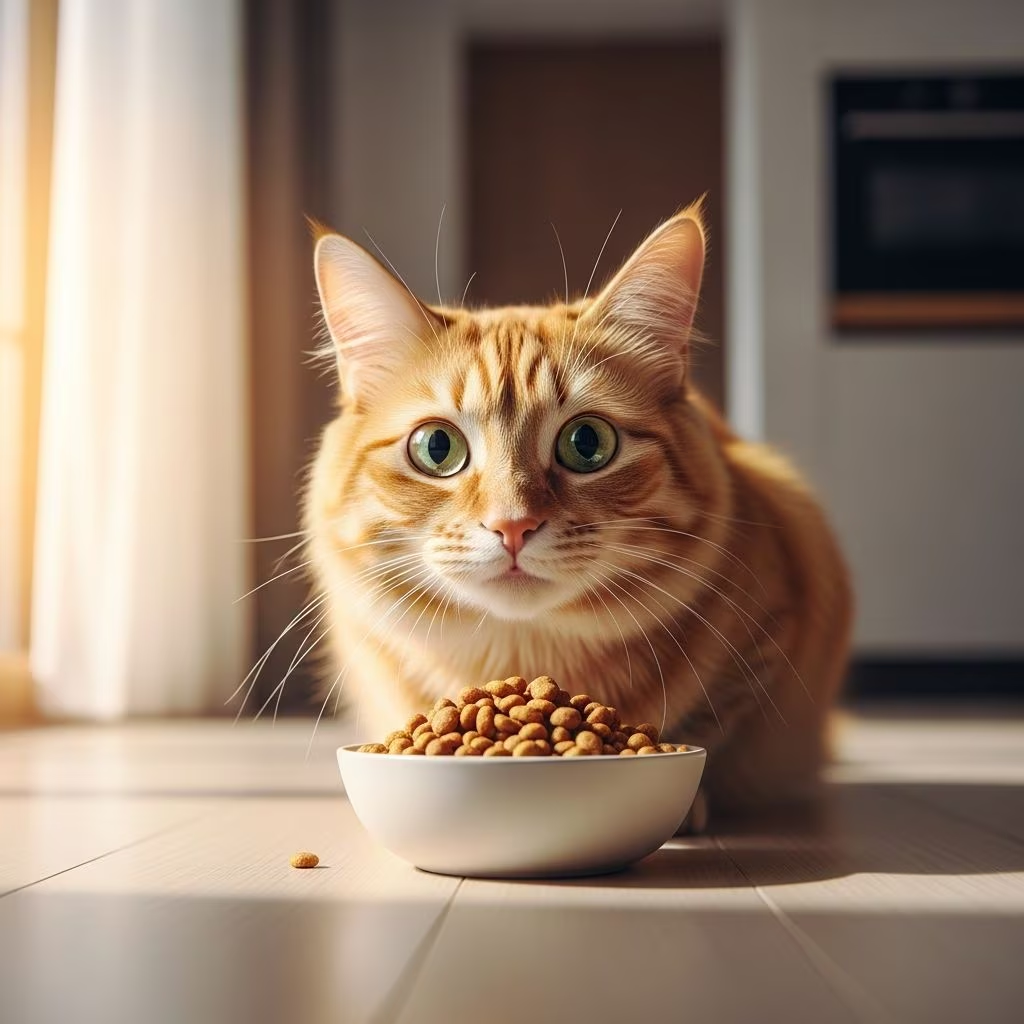
Your cat meows incessantly at mealtime, stares longingly at your plate, and seems perpetually hungry despite regular feedings. This food obsession is a common issue among cat owners, often signaling underlying behavioral, environmental, or medical problems. Understanding the root causes is the first step to helping your feline regain balance and prevent obesity-related health risks like diabetes and arthritis.
In this comprehensive guide, we’ll explore **seven vet-approved reasons** why cats become food-obsessed, drawing from expert veterinary insights. We’ll also provide actionable solutions, including dietary tweaks, environmental enrichment, and when to seek professional help. By addressing these factors, you can foster healthier eating habits and improve your cat’s overall well-being.
Why Is My Cat Obsessed with Food?
Cats are obligate carnivores evolved to hunt small prey frequently throughout the day, rather than gorging on large meals. Modern indoor lifestyles disrupt this natural pattern, leading to food fixation. Common triggers include **boredom**, where cats snack out of inactivity much like humans do; **anxiety**, prompting emotional eating; and **poor diet quality**, leaving cats unsatisfied despite full bowls.
Overweight cats are particularly prone, as chronic overfeeding creates a habit of begging. Some felines lack satiety signals, enjoying the act of eating itself. Indoor-only cats face heightened risks due to limited stimulation, turning to food for entertainment. Medical issues mimic or exacerbate this, demanding prompt veterinary evaluation.
1. Boredom and Lack of Enrichment
Indoor cats, confined without outlets for their hunting instincts, often fixate on food as their primary activity. Boredom drives excessive meowing and bowl-staring, as eating fills idle time and risks obesity.
Solutions:
- Hide kibble around the home to mimic hunting, distributing daily portions for foraging.
- Provide vertical spaces like cat trees and window perches for observation and jumping.
- Incorporate puzzle feeders and interactive toys to engage their predatory drive daily.
Enriching the environment reduces food interest by fulfilling biological needs for exploration and play. Cats with ample stimulation show less begging behavior.
2. Anxiety and Stress
Stressful environments, multi-cat households, or changes like new pets trigger anxiety eating. Cats may gorge to self-soothe or compete for resources, leading to rapid intake and regurgitation. Food stolen by housemates conditions begging out of fear.
Signs include hiding, aggression near bowls, or overeating during tension. Emotional eating links to obesity, mirroring human patterns.
Management Tips:
- Feed separately in quiet areas to eliminate competition.
- Use calming aids like Feliway diffusers or anxiety supplements.
- Maintain consistent routines to build security.
3. Poor Diet Quality
Low-grade foods with fillers like grains fail to satisfy, prompting cats to beg despite recommended portions. Premium diets with high-quality proteins are more satiating, reducing overeating. Nutritionally deficient meals drive obsessive intake to compensate.
| Food Type | Key Features | Impact on Hunger |
|---|---|---|
| Supermarket Brands | High fillers, lower protein | Increased begging, less fullness |
| Premium Wet/Dry | High meat protein, balanced nutrients | Improved satiety, stable weight |
| Prescription Diets | Vet-formulated for weight control | Reduces obsession in obese cats |
Switch gradually over 7-10 days, monitoring response. Wet food boosts hydration and fullness.
4. Medical Conditions: Hyperthyroidism
Hyperthyroidism, common in senior cats, elevates metabolism via excess thyroid hormones, causing ravenous hunger alongside weight loss, hyperactivity, and thirst. Untreated, it leads to heart issues.
Diagnosis involves blood tests; treatment includes medication, diet, or surgery. Early vet visits are crucial if appetite surges suddenly.
5. Diabetes Mellitus
Diabetes features insulin deficiency, resulting in increased appetite but weight loss, excessive thirst/urination. Advanced cases risk ketoacidosis with vomiting and lethargy. Obese cats are predisposed.
Management: Insulin therapy, diet changes, monitoring. Regular check-ups prevent complications.
6. Parasites and Worms
Intestinal parasites steal nutrients, spurring hunger. Kittens are most affected, showing distended bellies and poor coat. Adults may exhibit diarrhea or vomiting.
Annual deworming and fecal exams are preventive. Clean litter boxes reduce reinfection.
7. Other Factors: Pica and Genetic Predisposition
Food obsession links to pica, eating non-foods like strings or plants, often from boredom, early weaning, or deficiencies. Breeds like Siamese are prone.
Genetic overeaters ignore fullness cues, enjoying eating immensely. Speed-eating risks regurgitation; slow-feed bowls help. Cancer or psychogenic disorders may rarely contribute.
How to Help a Food-Obsessed Cat: Step-by-Step Plan
1. **Vet Check:** Rule out medical issues first with bloodwork, parasite screening.
2. **Diet Audit:** Assess calories; switch to measured portions via puzzle feeders.
3. **Schedule Feedings:** 3-4 small meals mimic hunting, curbing begging.
4. **Enrich Environment:** Toys, scratching posts, play sessions daily.
5. **Monitor Weight:** Monthly weigh-ins; adjust as needed.
6. **Address Behavior:** Ignore begging; reward calm with attention, not food.
Consistency yields results in weeks. Track progress in a journal.
Food Obsession vs. Normal Hunger: Key Differences
| Normal Hunger | Food Obsession |
|---|---|
| Meows at scheduled times | Constant begging, even post-meal |
| Maintains healthy weight | Gaining weight or rapid loss |
| Eats steadily | Gorges, regurgitates |
| Relaxed between meals | Anxious, vocalizing |
Persistent issues warrant professional behavioral consultation.
Frequently Asked Questions (FAQs)
What causes food obsession in cats?
Boredom, anxiety, poor diet, or medical conditions like hyperthyroidism and diabetes are primary causes.
Should I free-feed a food-obsessed cat?
No; measured meals prevent overeating. Use timed feeders for control.
Why does my cat eat non-food items with food obsession?
Pica often accompanies due to stress, boredom, or nutrient gaps.
How much should I feed my cat daily?
Follow package guidelines based on weight/activity; consult vet for precision.
Can food obsession lead to aggression?
Yes, resource guarding causes hissing or swatting near bowls, especially in multi-cat homes.
Preventing Food Obsession in Kittens
Early socialization, varied play, and balanced feeding build healthy habits. Avoid hand-feeding to prevent attention-seeking meows. Gradual weaning prevents lifelong insecurity.
In multi-pet homes, separate resources from puppyhood reduce competition.
References
- Food Obsession in Cats — PetCircle. 2023. https://www.petcircle.com.au/discover/food-obsession-in-cats
- Why Is My Cat Always Hungry? Causes of a Hungry Cat — PetMD. 2024-01-15. https://www.petmd.com/cat/symptoms/causes-of-hungry-cat
- How To Deal With Food Aggression in Cats — Cats.com. 2023-05-20. https://cats.com/food-aggression-in-cats
- How to Handle a Food Obsessed Cat — CatGenie. 2024. https://www.catgenie.com/blogs/catgazette/how-to-handle-a-food-obsessed-cat
- 10 Signs that Your Cat is Addicted to Food — Four Paws. 2023. https://fourpaws.org/10-signs-that-your-cat-is-addicted-to-food-and-5-recommendations-to-break-the-cycle/
- Dealing with your Cat’s Food Obsession — Catnetting. 2023. https://catnetting.com/blogs/cat-demy/dealing-with-your-cats-food-obsession
- Feeding a Cat Who Loves to Eat — VCA Animal Hospitals. 2024. https://vcahospitals.com/know-your-pet/feline-gluttons



